Silent Cognitive Decline: Early Signs and Prevention
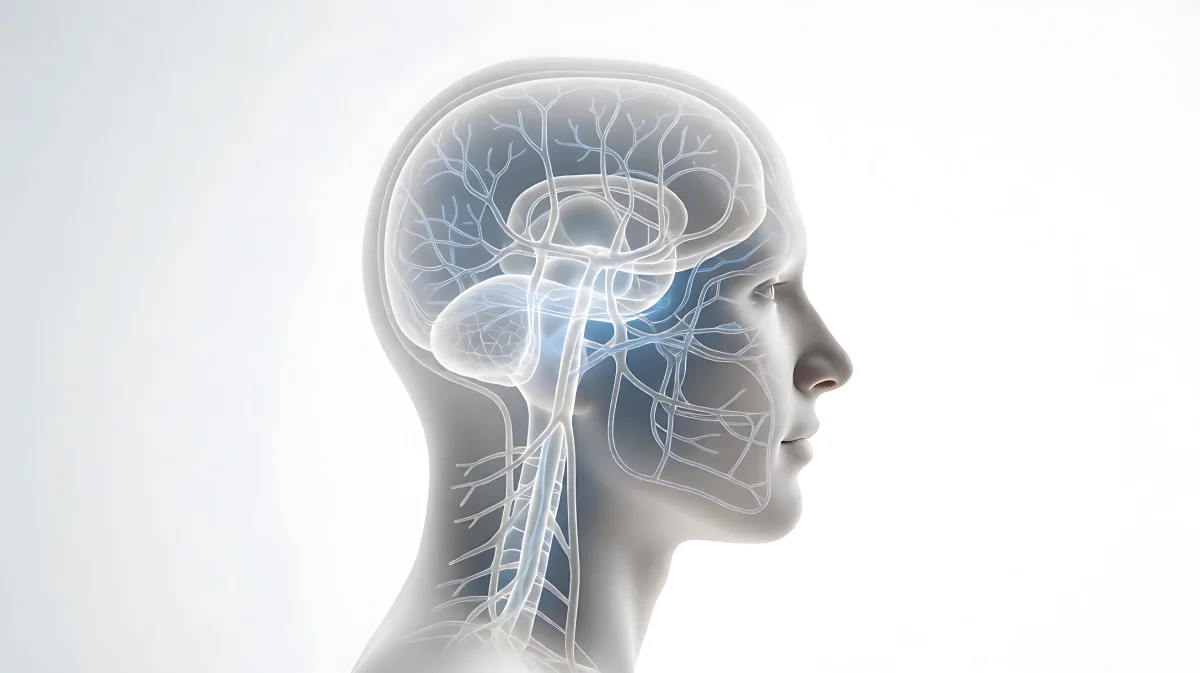
Cognitive decline can begin long before major memory loss. This guide highlights the subtle, often missed signs of silent brain changes and the risk factors that accelerate them.
Silent cognitive decline refers to the subtle, often unnoticed deterioration in brain function that occurs years before major symptoms of dementia appear. These signs include slowed processing speed, mild changes in judgment, and subtle shifts in emotional regulation. Because they are easily mistaken for normal aging, they go undetected. Researchers at the University of Alabama at Birmingham and Stanford University have highlighted that silent strokes, which cause no obvious symptoms, can accelerate this process and double the risk of dementia.
Why silent cognitive decline matters
For decades, the public understood cognitive decline primarily through the lens of severe memory loss associated with Alzheimer's disease. However, modern neuroscience reveals that the brain does not shut off abruptly. Instead, it undergoes a gradual process where neural connections weaken, blood flow restricts, or microscopic damage accumulates. This "silent" phase is critical because it represents the widest window for intervention. If clinicians and individuals identify these subtle shifts early, they can adopt lifestyle changes and medical treatments that may slow progression.
The connection between silent infarctions and cognitive decline has become a focal point for research. A silent stroke is a cerebral infarction that does not cause the classic symptoms of a full-scale stroke, such as paralysis or slurred speech. Yet, it still damages brain tissue. Data indicates that between 30 and 50 percent of adults over the age of 65 have experienced a silent stroke. For those who have suffered a transient ischemic attack, the incidence of subsequent silent strokes can increase by up to 19 percent. The cumulative effect of these silent events is a significant risk factor for cognitive impairment.
What are the subtle signs to watch for?
Unlike the dramatic signs of advanced dementia, silent cognitive decline manifests in small, easily rationalized ways. Patients and their families often attribute these changes to stress, fatigue, or normal aging. Identifying them requires looking at the trend over time rather than a single momentary lapse.
- Slowed processing speed: It may take longer to complete familiar tasks, such as calculating a tip or navigating a new route. The brain requires more effort to process the same amount of information.
- Changes in emotional regulation: Research shows that subtle immune and brain system changes can affect mood before memory loss becomes apparent. Increased irritability, anxiety, or apathy can be early markers.
- Difficulty with complex planning: While a person may remember facts, they may struggle with executing multi-step projects. This involves executive function, a domain often affected early in cognitive decline.
- Altered sleep patterns: Sleep architecture changes, including reduced deep sleep, are linked to the clearance of metabolic waste products in the brain. Poor sleep quality can both cause and be a symptom of silent neural changes.
How do risk factors accelerate brain aging?
Several lifestyle and health factors act as accelerants for silent cognitive decline. These risk factors are not limited to age; they are modifiable elements that influence vascular health and neuroinflammation.
| Risk Factor | Impact on Cognitive Health | Source/Context |
|---|---|---|
| Hypertension | High blood pressure damages small blood vessels in the brain, increasing the risk of silent infarctions. | UAB and Stanford Research |
| Smoking | Active cigarette smoking is a prominent risk factor for both stroke and accelerated cognitive decline. | UAB and Stanford Research |
| Diabetes and Obesity | These conditions share risk profiles with Alzheimer's disease. They contribute to chronic inflammation and vascular damage. | Rutgers University Aging & Brain Health Alliance |
| Sedentary Lifestyle | Lack of physical activity is associated with poorer vascular health and reduced cerebral blood flow. | General Neurological Guidelines |
Professor Mark Gluck at Rutgers University notes that the risk factors for severe viral respiratory infections are almost identical to those for Alzheimer's disease. This overlap means that individuals managing chronic conditions like diabetes or hypertension are at a compounded risk. The body's systemic inflammation can cross the blood-brain barrier, creating an environment that is less conducive to memory formation and retention.
Is it possible to reverse the effects?
While damage from silent strokes is generally permanent, the trajectory of cognitive decline can be altered. The goal is not to erase the damage but to improve the brain's resilience and compensate for lost function. Digital health tools are increasingly playing a role in this management. Companies are developing remote cognitive assessments that use AI to detect subtle changes in processing speed and attention over time. These tools allow for longitudinal tracking, creating a personal baseline that makes deviations easier to spot.
Interventions often include a combination of medical management and lifestyle changes. Controlling blood pressure and blood sugar is paramount. Regular aerobic exercise has been shown to improve cerebral blood flow and support neuroplasticity. Additionally, social engagement and cognitive training can help maintain neural networks, even if some nodes are impaired. The earlier these strategies are adopted, the more effective they are in preserving independence.
Frequently Asked Questions
What is the difference between a silent stroke and a standard stroke?
A standard stroke causes noticeable symptoms like weakness, confusion, or face drooping. A silent stroke causes damage to the brain but produces no obvious symptoms. It is often detected only through MRI scans. Despite the lack of symptoms, silent strokes still increase the risk of future major strokes and cognitive decline.
Can cognitive decline start in younger adults?
Yes. While the incidence is higher in older populations, silent strokes and micro-vascular damage can occur in younger adults, particularly those with high blood pressure, diabetes, or who are active smokers. Early prevention is crucial for all age groups.
How often should I get a cognitive screen?
For individuals without symptoms, periodic screening during routine medical check-ups is advisable. However, if you notice subtle changes in memory, speed of thought, or mood, you should consult a healthcare provider immediately. Baseline testing can be established, and follow-up can be scheduled to monitor any trajectory of change.
Do digital tools replace medical diagnosis?
No. Digital cognitive assessments are useful for tracking trends and identifying potential issues, but they do not replace a comprehensive medical evaluation. A diagnosis of dementia or cognitive impairment requires a full clinical assessment, including history, physical examination, and potentially imaging, by a qualified specialist.