Reconnect Through Shared Cooking Rituals and Friendship
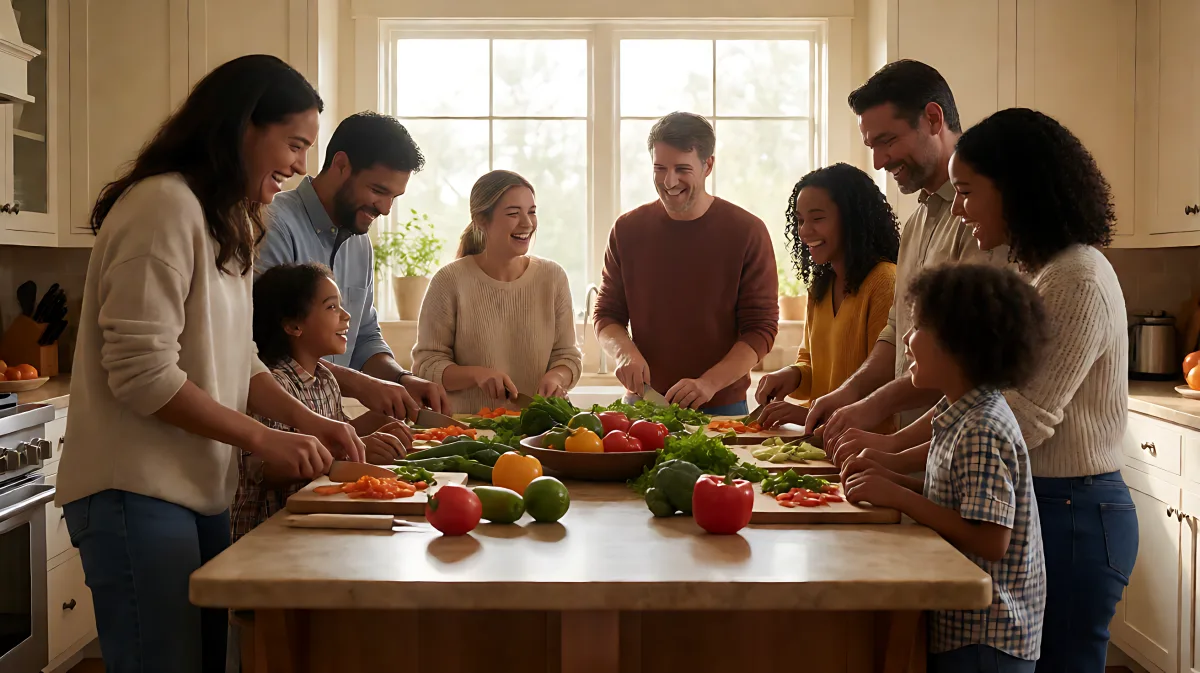
In an era of digital isolation, the kitchen has become a vital hub for human connection. Explore how intentional food sharing initiatives and community cooking programs are bridging social divides and fostering genuine friendships across age and cultural lines.
Shared cooking rituals are a proven, low-cost strategy to combat social isolation. By preparing and eating food together, individuals build trust and form deeper friendships. Current data suggests that nearly one in four adults in the US eats all meals alone, highlighting an urgent need for communal food practices to restore social cohesion.
Why do shared meals create stronger social bonds?
Food is a universal language that predates written history. It is a primary vehicle for celebrating joy and comforting sorrow. In modern society, where digital connectivity often masks personal isolation, the act of cooking together serves as a powerful antidote. It is not merely about the nutrition consumed, but about the ritual of collaboration. When people share the kitchen space, they engage in storytelling, laughter, and mutual support. This creates a sense of embeddedness in one's community that solitary eating simply cannot provide.
Research into social ecosystems indicates that eating together fosters informal interactions and inclusivity. This is particularly true in intergenerational settings, where older adults can pass down cultural and nutritional knowledge to younger generations. The collaborative process breaks down social barriers, allowing people from different backgrounds to connect over the shared goal of creating a meal.
What data shows about the rise in solitary eating?
The shift toward isolated eating habits is a growing concern for public health and social wellbeing. According to recent surveys cited in social connection frameworks, nearly 25% of Americans reported eating all of their meals alone the previous day. This figure represents a significant increase compared to historical baselines from two decades ago. The isolation extends beyond the physical act of eating; it reflects a broader disconnection that shared food experiences can actively mitigate.
Community organizations are responding to this trend by designing specific interventions. For instance, the Office of the Surgeon General released a guide titled Recipes for Connection to help individuals and groups create meaningful food-based gatherings. These resources emphasize that the structure of the meal matters as much as the food itself. A dedicated community kitchen or a structured home dinner can serve as a participatory hub that addresses both food insecurity and social isolation simultaneously.
How do organizations like OneTable foster community?
Non-profit initiatives are leading the way in formalizing these connections. OneTable, an international organization, supports individuals in hosting weekly Shabbat dinners. These events are designed to be inclusive, welcoming both Jewish and non-Jewish guests. The model relies on peer-led efforts to create low-barrier entry points for social interaction.
The impact of such structured gatherings is measurable. A study involving 2,000 participants of OneTable dinners found that 76% of guests reported feeling less lonely and becoming closer to their peers after attending. This statistic underscores the efficacy of ritualized sharing. Similar programs exist in school and youth settings. For example, YMCAs across the country have implemented meal programs that combine healthy eating education with social skill building for children and counselors. These programs are particularly impactful during summer months when school-based support systems are absent, helping to maintain social continuity.
What common misconceptions exist about social cooking?
Many families and community leaders assume that food sharing is inherently difficult to organize or that it requires significant financial resources to be effective. In fact, the most successful community food initiatives are often low-cost and focused on accessibility rather than exclusivity. Organizations like The Longest Table, which began in New York City, operate on a free-to-join model. They invite neighbors to gather around block-long tables, removing the financial barrier to participation. The focus is on the simplicity of breaking bread together, not on the quality of the cuisine.
Another misconception is that these gatherings are only for young people. The data shows that older adults gain significant social benefits from cooking with younger generations. The intimate act of preparing food together allows for the transfer of life skills and cultural heritage, creating a bi-directional flow of knowledge. Misreading the demographic appeal of these events can lead to poorly designed programs that fail to engage a wide range of participants.
How can you start a shared cooking ritual in your area?
Implementing shared cooking rituals does not require professional catering skills or large budgets. It requires intentionality. Here is a practical checklist to help you or a local group start building connections through food:
- Identify a host or hub: Determine who will lead the effort. This could be a neighbor, a school volunteer, or a community center staff member.
- Keep the menu simple: Choose dishes that are easy to prepare in groups, such as potluck-style meals, communal salad building, or shared baking projects.
- Create an inclusive space: Ensure the setting is comfortable and accessible for all ages and abilities. Remove barriers that might prevent shy individuals from participating.
- Foster conversation: Assign roles that require interaction, such as having one person stir while another tastes, encouraging dialogue during the cooking process.
- Establish a regular cadence: Consistency is key to building trust. Aim for weekly or monthly gatherings to turn a one-off event into a lasting ritual.
By focusing on the process rather than just the outcome, you create a safe environment for storytelling and mutual support. This approach mirrors the strategies used by large-scale organizations like The People’s Supper, which has connected thousands of individuals by fostering trust around the dinner table. The goal is to move from transactional eating to relational connection.
What role does cultural exchange play in these rituals?
Food is deeply tied to cultural identity. When people from different backgrounds cook together, they gain insight into the traditions and values of their peers. This cultural exchange reduces prejudice and builds empathy. For expatriates and new residents, these gatherings are a critical tool for adaptation. They provide a sense of belonging in a new environment by integrating food, which is a universal constant. By sharing recipes and techniques, individuals create a shared history that binds the group together. This is why organizations focus on 'food sharing initiatives' that emphasize local knowledge and budgeting tips alongside social interaction.
Frequently Asked Questions
Is it necessary to be a good cook to participate in social cooking?
No, culinary skill is not a requirement. The primary goal is social connection, not professional-grade food production. Simple, repetitive tasks like chopping vegetables or stirring sauces allow everyone to participate equally, regardless of experience level. The emphasis is on collaboration and conversation.
How often should these gatherings happen to be effective?
Consistency is more important than frequency. Weekly dinners, as seen in the OneTable model, create strong routine bonds. However, monthly or even bi-monthly gatherings can be effective if they are scheduled reliably. The key is to ensure that participants anticipate the event, which builds a sense of community ritual.
Can these rituals help reduce food insecurity?
Yes, community kitchens often address both social isolation and food insecurity. By preparing meals together, groups can stretch ingredients further, reduce waste, and share knowledge about food budgeting. This dual focus ensures that the social benefits are accessible to a wider range of socioeconomic backgrounds.
What if dietary restrictions are a concern?
It is vital to consider religious practices, allergies, and health needs when planning. Successful groups create inclusive menus that allow everyone to eat comfortably. This might involve labeling ingredients clearly or preparing separate dishes for those with specific restrictions. Ensuring that no one feels excluded is fundamental to building genuine trust.
How can workplaces incorporate these concepts?
Corporate projects are increasingly using social cooking to improve team cohesion. Organizing office potlucks or shared lunch meetings encourages informal interactions that do not happen in structured work settings. These low-stakes social interactions can improve employee morale and reduce feelings of isolation in the workplace.