Sex and Intimacy in Later Life: Practical Guide for Aging Couples
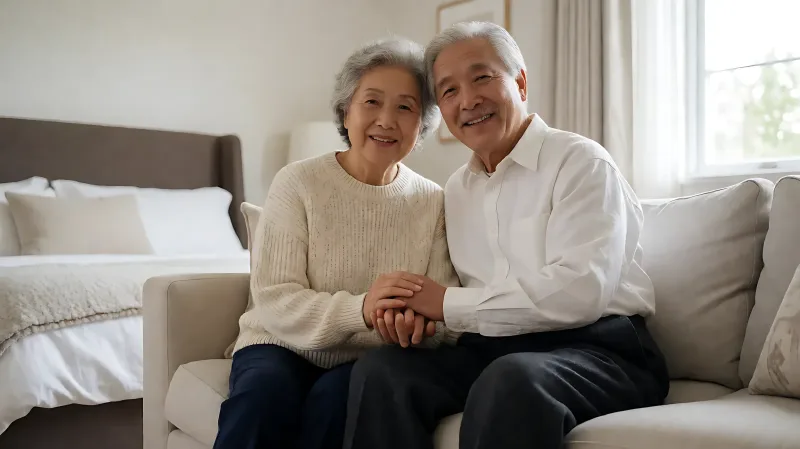
Sexual and emotional intimacy can evolve significantly as we age. This guide explores the physical shifts and emotional opportunities that help older couples sustain strong bonds.
Intimacy remains a vital part of human connection in later life, encompassing emotional bonding and physical closeness that can evolve with age rather than simply disappearing.
For more information, see NIA sexuality and intimacy in later life from the National Institute on Aging.
How does aging affect physical intimacy?
The National Institute on Aging notes that the body undergoes specific physiological changes that can shift how sexual activity feels and functions. In women, a decrease in estrogen after menopause can lead to thinner vaginal tissues and reduced natural lubrication, potentially making penetration uncomfortable. For men, erectile dysfunction, or the difficulty maintaining a firm erection, becomes more common with advancing years and certain health conditions.
- Hormonal shifts: Testosterone levels in men and estrogen levels in women naturally decline, which can impact libido and sexual responsiveness.
- Energy and comfort: Chronic conditions like arthritis or heart disease may limit mobility or comfort during physical activity.
- Medication effects: Common prescriptions for blood pressure and depression can sometimes interfere with arousal or performance.
While these changes are normal, they are not the end of the road for a fulfilling sex life. Many couples find that with open communication and minor adjustments, they can adapt to their changing bodies.
Does sexual desire increase in older adults?
Counter to popular stereotypes, desire can actually persist or grow in later life. Research suggests that older adults often report higher sexual satisfaction than they did in their younger years. This is frequently attributed to having more free time, a lack of worry about unintended pregnancy, and a deeper sense of emotional security with a partner.
Additionally, increased self-acceptance plays a significant role. As people age, they often become more comfortable in their own skin, reducing performance anxiety. A World Health Organization review highlighted that prioritizing pleasure and emotional well-being over just physical mechanics leads to better sexual health outcomes throughout the entire lifespan.
What role does emotional connection play?
Intimacy is not limited to sexual intercourse; it includes affectionate touch, deep conversation, and shared experiences. As physical capabilities may wane, the importance of emotional bonding often increases. Couples who communicate openly about their shifting needs and boundaries tend to report stronger relationship satisfaction.
For older adults dealing with conditions like dementia, the World Health Organization points out that individuals may still seek physical closeness or intimacy, even if they lose the cognitive ability to recognize a partner. In such cases, caregivers must approach these needs with patience, compassion, and clear medical guidance.
How can couples improve their comfort and health?
Managing physical discomfort requires proactive healthcare management. Regular exercise and a balanced diet improve circulation and energy levels, which directly support sexual drive. For issues like arthritis-related joint pain, warm baths or changing sexual positions can make physical activity more comfortable.
Medication management is equally critical. If side effects from blood pressure or antidepressant drugs are affecting intimacy, patients should not stop medication abruptly but instead consult a physician. Providers can often adjust prescriptions or offer treatments, such as hormone therapy for menopause or specific medications for erectile dysfunction, to help restore comfort and desire.
| Physical Challenge | Possible Adjustment |
|---|---|
| Joint pain from arthritis | Use of lubricants, trying new positions, or warm baths before intimacy |
| Erectile dysfunction | Consulting a doctor for treatments, focusing on foreplay, and reducing stress |
| Vaginal dryness | Using water-based or silicone-based lubricants, taking breaks, and considering hormone therapy |
| Medication side effects | Discussing alternative prescriptions with a healthcare provider without stopping current medication |
What questions should you ask your doctor?
Healthcare providers are a valuable resource for navigating these transitions. Patients should feel empowered to discuss their specific concerns. Useful questions include whether any current medications might be lowering libido, if physical symptoms like fatigue or pain could be linked to a treatable condition, and what non-medical lifestyle changes, like stress management, could help improve sexual well-being.
Is it normal for a partner's interest to wane?
Yes, fluctuating desire is a normal part of the aging process. It is often linked to external stressors, mental health changes like depression, or simply fatigue rather than a loss of love or attraction.
Does heart disease make sex dangerous?
For most people with stable heart conditions, sexual activity is safe, but intense physical strain can pose a risk. It is vital to follow the specific advice of a cardiologist, who can help determine what level of exertion is appropriate.
How can social stereotypes affect intimacy?
Societal views that older adults are asexual can create psychological barriers, leading to shame or avoidance. Recognizing that sexual health is a lifelong aspect of well-being, as supported by the World Health Organization, helps people overcome these mental blocks and seek the care they need.
When should you seek help for erectile dysfunction?
According to the National Institute on Aging, while occasional issues are normal, frequent inability to achieve or maintain an erection should be discussed with a doctor to rule out underlying health issues like diabetes or cardiovascular disease.
Can intimacy survive the onset of dementia?
Intimacy can continue to exist, but it requires a shift in approach. Caregivers should focus on comforting touch and emotional presence, recognizing that the patient's need for connection remains even if their cognitive understanding of the partner has changed.