Defining Life: Biology, Philosophy, and Modern Perspectives
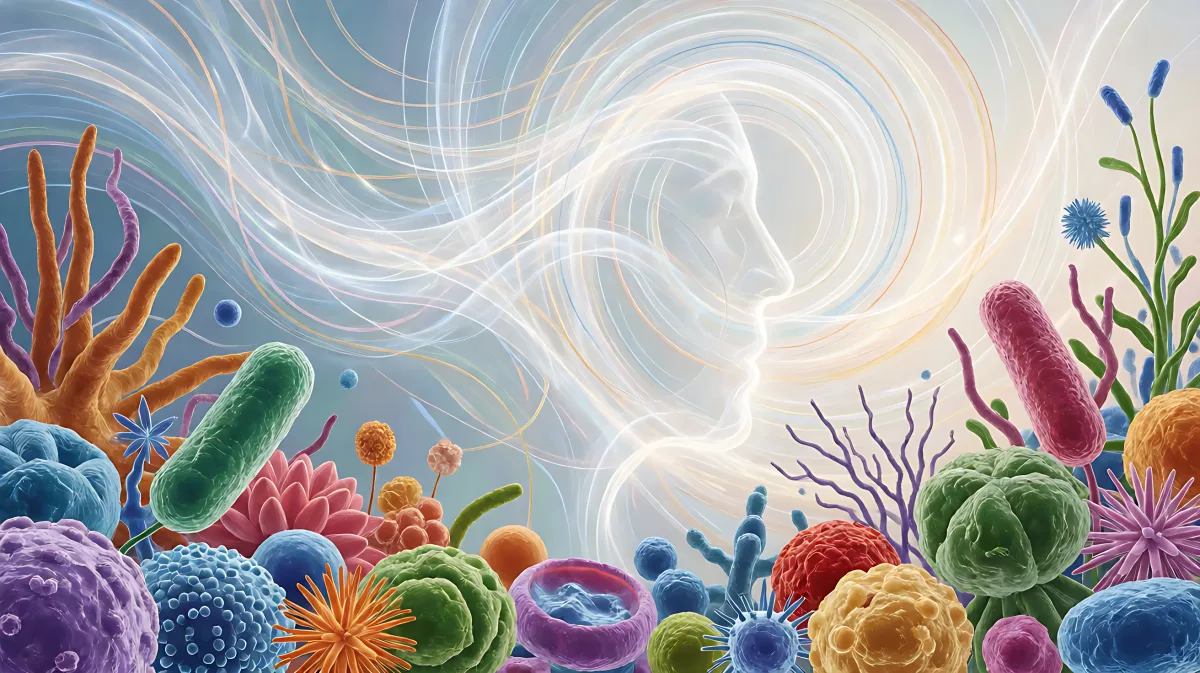
Life is defined by biological processes such as metabolism, reproduction, and homeostasis. Discover how scientists classify the three domains of life and how philosophical debates continue to shape our understanding of existence.
Life is the inherent capacity of matter to perform complex biological processes, including metabolism, growth, adaptation, and reproduction. Organized into three main domains—Archaea, Bacteria, and Eukaryota—life forms exist in diverse environments ranging from deep ocean trenches to planetary atmospheres. While biological definitions focus on cellular functions and homeostasis, philosophical perspectives often expand the concept to include self-organization and consciousness.
How Do Scientists Define Living Systems?
For decades, biologists have relied on a set of observable characteristics to distinguish living matter from non-living matter. These characteristics include the ability to maintain homeostasis, the metabolism of energy, and the capacity for evolution through natural selection. All known cellular life is organized into specific domains, a classification system that remains the standard in modern taxonomy.
What Are the Three Domains of Life?
The current scientific consensus groups all cellular life into three distinct domains, each with unique molecular and structural features.
- Archaea: Single-celled organisms that often thrive in extreme environments, such as hot springs and salt lakes. They are prokaryotic, meaning they lack a nucleus.
- Bacteria: The most abundant domain, consisting of prokaryotic organisms found in soil, water, and as symbionts in other organisms. They play crucial roles in global carbon and nitrogen cycles.
- Eukaryota: Organisms whose cells contain a nucleus and membrane-bound organelles. This domain includes all plants, animals, fungi, and protists.
How Does Biology Distinguish Life From Non-Life?
The boundary between living and non-living matter can be blurry, particularly when considering entities like viruses. Viruses contain genetic material and can evolve, but they cannot replicate without hijacking a host cell. Because they lack the machinery for independent metabolism, many scientists do not classify them as fully alive, creating an ongoing debate in virology and biology.
In contrast, cellular life possesses the infrastructure to self-replicate and maintain internal stability. This autonomy is a key marker for the biosphere, the total sum of all ecosystems. Life is not confined to temperate zones; extremophiles are organisms that flourish in conditions once thought to be sterile, such as high-pressure hydrothermal vents or acidic crater lakes. These discoveries have expanded our understanding of where life might exist elsewhere in the solar system.
What Role Does Evolution Play in Life?
Evolution is the unifying theory of biology, explaining the diversity of life through the mechanisms of natural selection, mutation, and genetic drift. Over billions of years, these processes have shaped the intricate relationships within ecosystems. Life forms adapt to environmental pressures, leading to the specialized niches observed in every habitat on Earth, from the tundra to the tropical rainforest.
What Is the Philosophical Perspective on Life?
Long before the microscope, philosophers attempted to define the essence of life. Ancient thinkers like Empedocles proposed that matter was composed of four eternal elements, while Aristotle focused on the concept of a soul or form. These historical views laid the groundwork for modern debates about consciousness and agency.
In contemporary thought, the definition of life often extends to self-organizing systems. This philosophical angle intersects with technology, raising questions about whether artificial intelligence or complex computing systems could ever be considered "alive" if they exhibit adaptive behavior and information processing similar to biological organisms.
How Do Modern Technologies Shape Our Understanding of Life?
Advances in genomics and synthetic biology have allowed researchers to study life at a molecular level, revealing the common ancestry of all organisms. The Human Genome Project and subsequent sequencing efforts have mapped the genetic blueprints of diverse species, highlighting the shared chemical language of life.
Furthermore, the search for extraterrestrial life has intensified. Organizations like the National Aeronautics and Space Administration (NASA) have identified potential habitable zones around other stars. The presence of water ice on the moon of Mars and the subsurface oceans of Jupiter's moon Europa suggest that the chemical precursors of life may be widespread in the cosmos. These findings drive a new branch of biology known as astrobiology, which studies the origin, evolution, and distribution of life in the universe.
What Are the Practical Implications of Defining Life?
The definition of life has real-world consequences for public health, environmental policy, and legal frameworks. Understanding the metabolic processes of pathogenic bacteria informs vaccine development and antibiotic strategies. Similarly, defining the limits of life in extreme environments helps scientists model the impact of climate change on global biodiversity.
In the realm of conservation, identifying the unique biota of specific ecosystems allows for more targeted preservation efforts. By recognizing that life is a continuum of interdependent processes, societies can make more informed decisions about sustainability and resource management.
FAQ
Are viruses considered alive by biologists?
Most biologists do not classify viruses as alive because they lack the cellular machinery for independent metabolism and reproduction. They act as obligate intracellular parasites, replicating only by using the metabolic resources of a host cell. This places them in a grey area between living and non-living matter.
How old is life on Earth?
Fossil evidence suggests that life has existed on Earth for at least 3.5 to 3.7 billion years. The earliest signs of microbial life, preserved in stromatolites, date back to the Archean eon, indicating that the planet became habitable shortly after it formed.
What is the difference between Bacteria and Archaea?
While both are prokaryotes, Archaea differ significantly from Bacteria in their cell membrane chemistry and genetic processing. Archaea are often more closely related to Eukaryotes in terms of their DNA replication and transcription machinery, and they are frequently adapted to extreme environmental conditions.
Could life exist without carbon?
While carbon-based life is the only form observed to date, astrobiologists consider other chemistries, such as silicon-based life, as theoretical possibilities. However, carbon's unique ability to form stable, complex bonds makes it the most viable candidate for supporting complex life as we know it.