Sensory Deprivation and Brain Health: Benefits vs. Risks
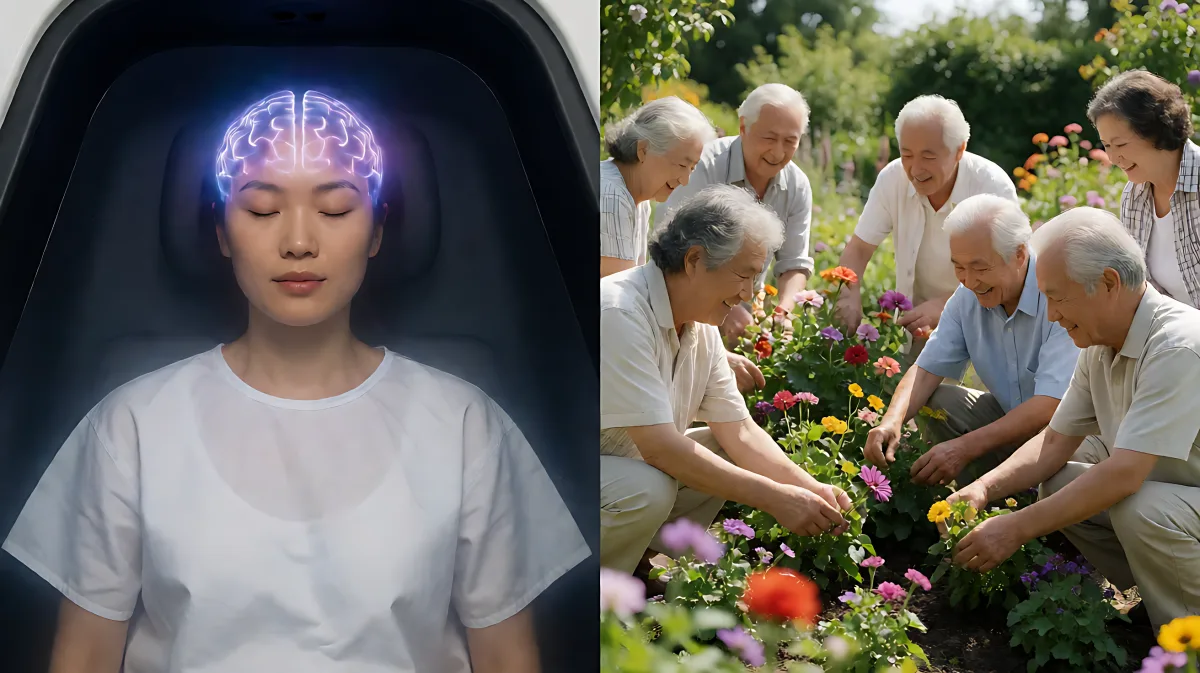
Sensory deprivation involves reducing external input to the five senses. While short-term use can lower stress and boost creativity, prolonged isolation can cause hallucinations and anxiety. Learn how to balance sensory input for optimal brain health.
Sensory deprivation is the intentional reduction or removal of stimuli from one or more of the five senses. While short-term sessions, such as those in isolation tanks, can reduce stress and lower cortisol levels, prolonged deprivation can lead to hallucinations, anxiety, and cognitive dysfunction. For optimal brain health, experts in 2026 recommend balancing brief periods of sensory rest with rich, multisensory engagement to maintain neural plasticity and prevent cognitive decline.
What Is Sensory Deprivation and How Does It Work?
Sensory deprivation, also known as perceptual isolation, involves limiting input to the visual, auditory, olfactory, gustatory, and somatosensory systems. Simple tools like blindfolds or noise-canceling headphones can isolate specific senses, while more advanced techniques use specialized environments. The brain, which typically processes a constant stream of environmental data, responds to this quietude by increasing its own internal activity. This heightened state of neural processing can lead to vivid mental imagery or hallucinations as the brain attempts to compensate for the lack of external input.
How Do Isolation Tanks Affect the Nervous System?
Restricted Environmental Stimulation Therapy (REST) is the therapeutic application of sensory deprivation. There are two primary formats: chamber REST and flotation REST. In chamber REST, an individual lies in a dark, sound-reducing room for up to 24 hours. The environment typically reduces noise by an average of 80 decibels, creating a state of near-total sensory void. Studies indicate that fewer than 10% of participants in chamber REST choose to leave early, often citing profound relaxation.
Flotation REST is more common in commercial wellness settings. Participants float in a warm solution of water and Epsom salts, which is skin-temperature and highly buoyant. This eliminates gravity's pull on the body and removes tactile pressure points, allowing the nervous system to enter a deep state of rest. Research conducted in the United States and Sweden confirms that flotation therapy significantly lowers blood pressure, reduces cortisol levels, and improves blood flow. Fewer than 5% of flotation therapy users abandon a standard one-hour session early due to the overwhelming sense of calm.
What Are the Risks of Prolonged Sensory Isolation?
While brief periods of deprivation offer health benefits, extended or forced sensory isolation poses significant risks to mental stability. Historical and clinical data show that long-term deprivation can trigger extreme anxiety, delusions, and severe depression. The brain, deprived of external reality, may begin to generate bizarre thoughts and perceptual disturbances.
In medical and legal contexts, the impact of sensory deprivation is well-documented. The European Court of Human Rights has ruled that the use of sensory deprivation techniques by security forces in Northern Ireland amounted to inhuman and degrading treatment. Similarly, reports from detention facilities such as Guantanamo Bay have highlighted the psychological toll of sensory isolation on prisoners. These cases underscore that while the brain can adapt to low-stimulation environments, it requires a baseline of sensory input to maintain a stable connection to reality.
Does Sensory Deprivation Cause Hallucinations?
Yes. When the brain is starved of sensory data, it amplifies internal signals, leading to what are known as hallucinations. In a controlled REST session, these are usually benign and can enhance creativity. However, in uncontrolled or prolonged scenarios, these hallucinations can become frightening and dissociative. Interestingly, individuals with existing psychotic conditions, such as schizophrenia, often report fewer hallucinations during sensory deprivation than healthy individuals, suggesting that the brains of healthy people overcompensate more aggressively for the lack of input.
How Does Sensory Wellness Support Cognitive Health?
As the population ages in 2026, the focus has shifted from simple deprivation to sensory wellness. This concept emphasizes the active engagement of the senses to protect cognitive resilience. Research published in leading journals indicates that sensory impairment is a strong predictor of mild cognitive impairment in older adults. The brain relies on constant input from sight, sound, and touch to maintain synaptic connections. When these inputs diminish, neural networks can weaken, contributing to conditions like Alzheimer's disease.
What Strategies Prevent Cognitive Decline Through Senses?
Experts recommend designing environments that stimulate multiple sensory pathways simultaneously. For older adults, this might include:
- Listening to music, which activates memory and emotional centers.
- Engaging in tactile activities, such as pottery or gardening, to stimulate the somatosensory cortex.
- Using aromatherapy to reduce anxiety and improve mood.
- Ensuring adequate natural light to regulate circadian rhythms and sleep quality.
Sensory-rich environments do not just entertain; they train the brain to process complex information, thereby delaying cognitive decline and improving overall well-being.
How Can Seniors Design Sensory-Friendly Spaces?
For those caring for older adults, creating sensory-friendly spaces is a therapeutic tool. Sensory gardens, for instance, are specifically designed to provide calming stimuli. These gardens incorporate water features for auditory relaxation, scented plants for olfactory engagement, and textured surfaces for tactile stimulation. They also serve as social hubs, reducing isolation by encouraging interaction.
Accessible design is crucial. This includes wide, smooth pathways for mobility aids, seating areas with armrests for stability, and clear signage. By addressing sensory deficits through enrichment rather than deprivation, caregivers can help maintain a person's orientation and emotional stability.
Frequently Asked Questions
How long should a sensory deprivation session last?
For most adults, a safe and effective REST session lasts between 60 and 90 minutes for flotation tanks, or up to 24 hours for chamber REST under professional supervision. Sessions should never exceed these durations without medical oversight, as the risk of psychological distress increases with time.
Is sensory deprivation safe for people with mental health conditions?
Cautious. Individuals with a history of psychosis, severe anxiety, or PTSD should consult a mental health professional before trying isolation tanks. While some find it therapeutic, the lack of external reality anchors can exacerbate symptoms in susceptible individuals. Professional guidance is essential.
Can sensory deprivation improve creativity?
Yes. By silencing external distractions, the brain enters a state of deep introspection similar to meditation. This heightened internal activity often leads to improved problem-solving skills and novel ideas. Many professionals use short REST sessions to reset their cognitive state and boost creative output.
What is the difference between sensory deprivation and sensory restriction?
Sensory deprivation implies the near-total removal of stimuli, which can have negative long-term effects if prolonged. Sensory restriction, as used in therapy (REST), is temporary and controlled, aiming to reduce stress and promote relaxation without inducing the psychological instability associated with forced isolation.