Senior Grocery Discounts & Budget Tips 2026
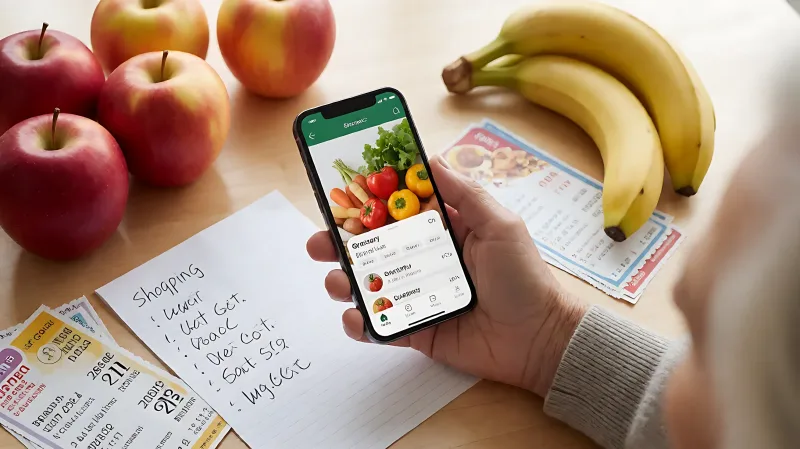
Managing groceries on a fixed income requires strategy. Discover verified senior discounts, essential budgeting hacks, and assistance programs that help stretch every dollar.
Senior shoppers can save significantly by leveraging age-based discounts, leveraging SNAP benefits, and adopting strict meal planning routines. According to the USDA, average monthly grocery costs for seniors range from $285 to $428, making strategic shopping essential. Key strategies include shopping Tuesday through Thursday mornings, using store-brand items, and verifying specific senior discount days at local chains like Publix and Harris Teeter.
For more information, see NIA healthy aging resources from the National Institute on Aging.
How Do Senior Discounts Work at Grocery Stores?
Unlike federal mandates, senior discounts are voluntary business policies that vary by location and chain. The standard eligibility age typically starts at 55, though some retailers require customers to be 60 or 62. Shoppers should carry a valid photo ID to prove age. For example, Publix and Harris Teeter often offer 5 percent off on specific weekdays for eligible customers, while Fred Meyer provides a 10 percent discount on the first Tuesday of the month for those 55 and older. Always check the customer service desk or store website for current local policies, as these deals are not available in every branch.
Which Chains Offer the Best Weekly Senior Deals?
National chains often have rotating senior discount days. The following table outlines common offers, though you must verify with your local store:
| Store Chain | Discount | Typical Requirement |
|---|---|---|
| Publix | 5% off | Wednesday, Age 60+ |
| Harris Teeter | 5% off | Thursday, Age 60+ |
| Fred Meyer | 10% off | First Tuesday, Age 55+ |
| Gristedes | 10% off | Tuesday, Age 65+ |
| Walmart | Varies | Age 55+, Check locally |
What Are the Most Effective Budgeting Hacks for Seniors?
Smart budgeting extends beyond just finding coupons. It involves behavioral changes that prevent impulse spending and maximize value. The most impactful habit is shopping with a full stomach. A survey by Dole found that hungry shoppers spend an average of $26 more per trip on unneeded items. Planning one trip per week, ideally between 8:00 a.m. and 9:00 a.m. on a Tuesday or Wednesday, avoids crowds and ensures fresh stock is available.
How Can Meal Planning Reduce Food Waste?
Impulse buying leads to waste, which drains fixed incomes. Before shopping, conduct a pantry inventory to avoid duplicate purchases. Create a strict shopping list based on weekly meals. Using store-brand products for staples like cereal, flour, and condiments can save 10 to 30 percent compared to name brands without sacrificing nutritional quality. Additionally, check unit prices on shelf tags; a larger package is not always the cheaper option per ounce or pound.
How Do SNAP Benefits and Assistance Programs Help?
The Supplemental Nutrition Assistance Program (SNAP) remains a critical tool for seniors on fixed incomes. The United States Department of Agriculture (USDA) administers these benefits, which can now be used for online grocery delivery in many states through platforms like Walmart and Instacart. Beyond SNAP, seniors should review eligibility for other programs such as the Low Income Home Energy Assistance Program (LIHEAP) or Shippers' Association benefits. Local food banks and Meals on Wheels programs also provide nutritious meals for those facing physical limitations that make store navigation difficult.
Are There Cash-Back Apps Worth Using for Groceries?
Digital tools have replaced paper clipping for many savers. Apps like Ibotta, Fetch Rewards, and Checkout 51 offer cash-back rewards when you scan receipts after your grocery run. While these require smartphone proficiency, they can yield meaningful monthly savings. AARP members may also access exclusive discounts at specific retailers, making the annual membership fee a potential investment if you frequent partner stores.
What Are the Physical and Cognitive Challenges of Shopping?
For older adults, grocery shopping is not just financial but physical. Arthritis and mobility issues make carrying heavy bags and walking long aisles exhausting. This often leads to relying on simple, shelf-stable foods rather than fresh produce. Online grocery delivery solves this by bringing items to the door, though it requires avoiding delivery fees. Most stores offer free delivery or pickup only above a certain minimum order value, so bulk planning is necessary to meet these thresholds without overspending.
Frequently Asked Questions
What is the best day to grocery shop for seniors?
Tuesday, Wednesday, or Thursday between 8:00 a.m. and 9:00 a.m. is generally best. These times avoid weekend rushes and often align with specific senior discount days at major chains like Publix and Gristedes.
Do all Walmart locations offer senior discounts?
Walmart does not have a universal national senior discount. Offers vary by location and region. Always ask your local store manager or check the customer service desk for any active local promotions for shoppers over 55.
Can I use SNAP benefits for online grocery delivery?
Yes, in many states, the USDA allows SNAP recipients to use benefits for online grocery purchases and delivery through authorized platforms like Walmart and Instacart. Check your specific state's SNAP office for available online retailers.
How much can I save by buying store brands?
Buying store-brand or generic products typically saves 10 to 30 percent compared to name brands. For high-volume items like pasta, beans, and cleaning supplies, this difference can save a senior household several hundred dollars annually.