Stop Food Waste by Freezing Leftovers: The Strategy Guide
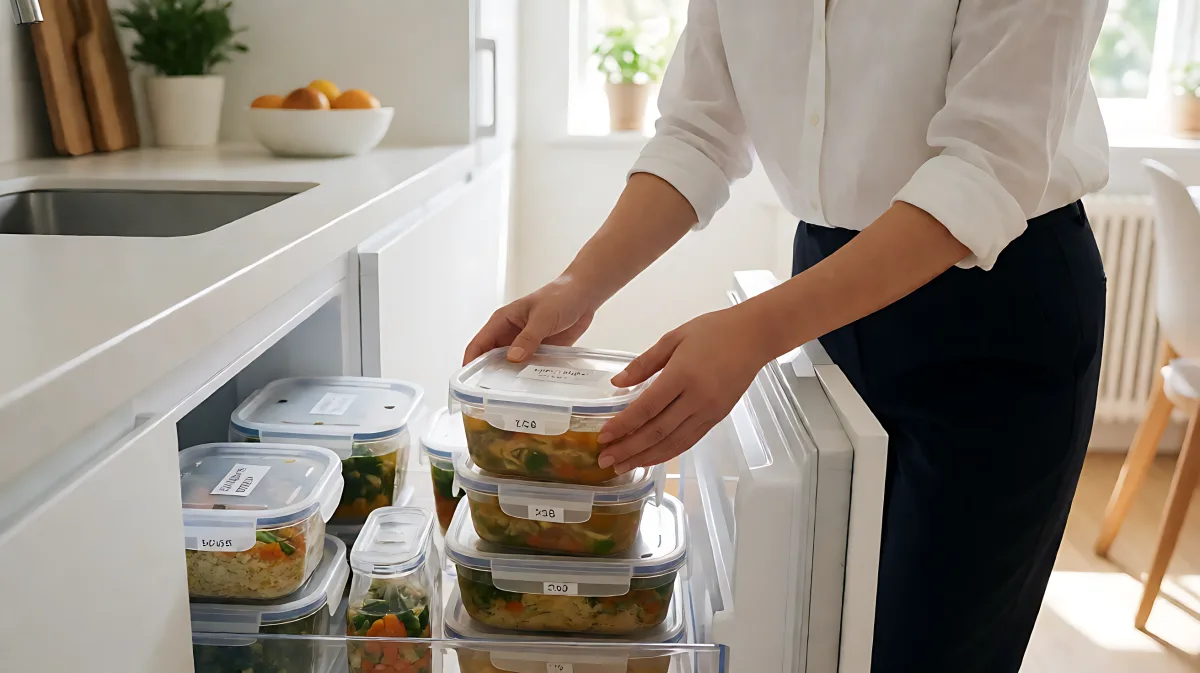
Strategic freezing of leftovers is a high-impact method for reducing household food waste. By properly storing uneaten meals, families can preserve up to $3,000 annually while ensuring safe, convenient dinners for busy weeks.
Strategic freezing of leftovers is one of the most effective ways to reduce household food waste and cut grocery costs. By properly storing uneaten meals, families can prevent spoilage and save up to $3,000 annually. This method preserves flavor and nutrition while ensuring you always have a ready-to-eat option for busy evenings.
Why does strategic freezing matter for your household budget?
The US Environmental Protection Agency estimates that the average family of four spends nearly $3,000 per year on food that does not get eaten. This waste is not just a financial drain; it is an environmental burden. Food waste in landfills produces methane, a greenhouse gas more potent than carbon dioxide. By moving uneaten food from the fridge to the freezer, you extend its usable life from days to months. This simple shift prevents perfectly good ingredients from becoming landfill waste. It also reduces the need for last-minute impulse grocery runs, which often lead to buying more than necessary. For households trying to tighten their budgets in 2026, repurposing leftovers is a practical and immediate strategy for saving money without sacrificing meal quality.
What are the most common misconceptions about freezing food?
Many families assume that freezing ruins texture and makes food taste bland. In fact, when done correctly, freezing locks in nutrients and preserves flavor. The key is proper preparation. If you freeze food in large, unlabelled chunks, you risk uneven thawing and freezer burn. Instead, portion control is essential. By freezing meals in individual servings, you only thaw what you need, reducing waste further. Another misconception is that you should only freeze whole meals. While casseroles and soups are excellent, you can also freeze individual components like cooked rice, shredded chicken, or sliced vegetables. This allows for quick assembly of new dishes later, giving you more flexibility in meal planning.
How do you prepare leftovers for the freezer correctly?
Preparation is the critical step that separates successful storage from failed experiments. Follow this checklist to ensure your leftovers remain safe and delicious:
- Cool before freezing: Allow hot food to reach room temperature. Placing hot containers directly in the freezer raises the internal temperature, risking the spoilage of other items.
- Portion for convenience: Divide large batches into single or double servings. This prevents the waste of thawing more food than you will actually eat.
- Remove excess air: Use airtight freezer bags or containers. Press out air to prevent ice crystals from forming, which cause freezer burn and dry out food.
- Label with dates: Write the contents and the date on every container. This helps you use the oldest items first and track quality.
What specific foods are best suited for freezing?
Not all ingredients withstand the freeze-thaw cycle equally. Soups, stews, and marinades freeze exceptionally well and often taste better after reheating. Cooked meats like chicken and beef are ideal for repurposing into tacos, stir-fries, or quesadillas. Bread should be wrapped tightly to prevent drying out. However, avoid freezing dishes with high water content, such as fresh vegetables like lettuce or cucumbers, which become mushy. Cream-based sauces may separate upon thawing, so stir them well when reheating. Cooked eggs also change texture significantly and are generally not recommended for freezing.
How long should different types of leftovers stay in the freezer?
While frozen food remains safe indefinitely if kept at zero degrees Fahrenheit, quality degrades over time. To ensure the best flavor and texture, adhere to these general guidelines:
| Food Category | Recommended Freezer Duration |
|---|---|
| Cooked Meats (Chicken, Beef) | 4 to 6 months |
| Soups and Stews | 2 to 3 months |
| Casseroles | 2 to 3 months |
| Vegetables | 8 to 12 months |
| Breads and Baked Goods | 3 to 6 months |
How do you safely thaw and reheat frozen meals?
Thawing is as important as freezing. The safest method is to move items from the freezer to the refrigerator the night before you plan to eat them. This slow process keeps the food in the safe temperature zone. If you are in a hurry, you can use the cold water method: submerge the sealed bag in cold water, changing the water every 30 minutes. Never thaw food at room temperature, as this allows bacteria to multiply rapidly. For quick reheating, use the microwave's defrost setting, but you must cook the food immediately after thawing. When reheating on the stovetop or in the oven, ensure the internal temperature reaches 165 degrees Fahrenheit to guarantee safety.
What mistakes should you avoid when storing leftovers?
One common error is freezing food in its original cooking pot or open containers. This exposes the food to air, leading to freezer burn. Always transfer leftovers to freezer-safe, airtight containers. Another mistake is ignoring the freezer's capacity. Overloading the freezer prevents cold air from circulating, which can cause the temperature to rise and the food to spoil. Keep the freezer organized and ensure there is space around items for proper airflow. Finally, do not forget to check your freezer temperature. It should be at or below 0 degrees Fahrenheit. If it is running too warm, your food will not stay frozen properly, negating the benefits of strategic storage.
Frequently Asked Questions
Can I refreeze leftovers I already thawed?
Yes, but only if they were thawed in the refrigerator. If the food has been sitting in the fridge for no more than one to two days, it is safe to refreeze. If you thawed food using the cold water or microwave method, you must cook it immediately. After cooking, you can freeze the leftovers, but do not refreeze the raw thawed items directly.
How many days can I keep leftovers in the fridge before freezing?
For best quality, you should freeze leftovers within two to three days of cooking or eating. After this window, bacterial growth increases, even in the refrigerator. If you know you will not eat the leftovers within three days, move them to the freezer immediately to preserve freshness and safety.
Is it better to freeze foods raw or cooked?
It depends on the item. Soups, stews, and sauces taste better when cooked and then frozen. Raw proteins and vegetables can be frozen as is, which gives you more flexibility later. For example, freezing raw chicken strips allows you to decide whether to bake, grill, or stir-fry them when you are ready to cook. Freezing cooked items is best for convenience, such as when you want a ready-to-eat dinner.