How to Reduce Winter Heating Costs on a Fixed Income
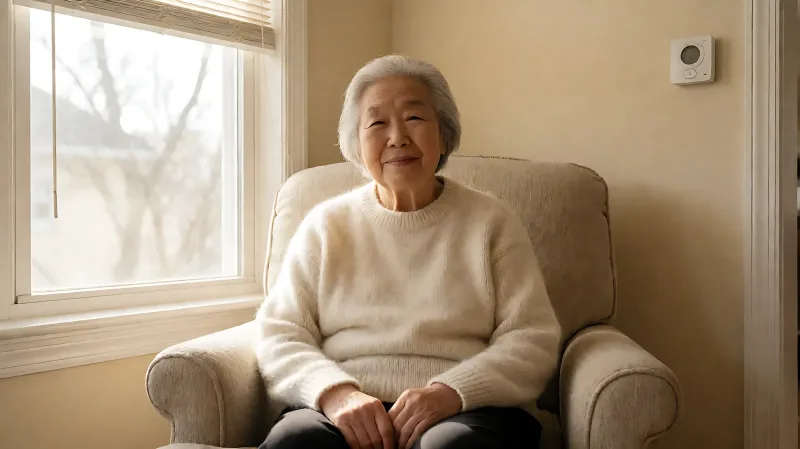
Older adults on fixed incomes can significantly lower winter utility costs by adjusting thermostats safely, sealing air leaks, and utilizing government assistance programs like LIHEAP.
Older adults on fixed incomes can safely lower winter heating bills by maintaining indoor temperatures of at least 70 degrees Fahrenheit, sealing air leaks, and utilizing federal programs like LIHEAP. These strategies prevent dangerous cold exposure while reducing energy waste.
For more information, see NIA healthy aging resources from the National Institute on Aging.
Why Cutting Heat Too Much Is Dangerous
Many seniors try to save money by setting thermostats extremely low, but this practice poses significant health risks. The Centers for Disease Control and Prevention warns that hypothermia can occur when body temperature drops below 95 degrees Fahrenheit. Early signs include shivering, confusion, and pale skin. To balance cost and safety, experts recommend keeping indoor temperatures no lower than 70 degrees Fahrenheit, especially for individuals with underlying health conditions.
How Much of Your Income Goes to Energy?
According to the American Association of Retired Persons (AARP), some older adults spend more than 30 percent of their income on home energy costs. This high percentage often leads to difficult choices, such as borrowing money or skipping medical visits. Understanding your specific energy usage is the first step toward creating a sustainable winter budget.
What Simple Changes Save Money on Heating?
You do not need expensive renovations to see a reduction in your bill. Small, immediate actions yield significant savings. Consider these low-cost adjustments for your home:
- Seal Air Leaks: Check windows and doors for drafts. Apply caulk or weatherstripping to seal gaps. This prevents cold air from entering and warm air from escaping.
- Use Insulated Window Film: Plastic insulating film on windows can reduce annual heating costs by more than 10 percent.
- Install Foam Gaskets: Place these low-cost devices behind outlet and switch covers on exterior walls to block air flow.
- Dress in Layers: Wearing warm socks and a sweater allows you to keep the thermostat lower while staying comfortable. This personal insulation reduces the need for high heat.
- Manage Curtains: Open curtains during the day to let sunlight warm the room. Close them at night to retain heat.
Does a Programmable Thermostat Make Sense?
Yes. The U.S. Department of Energy notes that lowering your temperature by 7 to 10 degrees for eight hours while you sleep can save roughly $100 a year. A programmable thermostat automates this process, ensuring you do not accidentally leave the heat too high overnight.
How Do I Get Help Paying Utility Bills?
The Low Income Home Energy Assistance Program (LIHEAP) provides financial assistance to low-income households for heating and cooling bills. Funded by the federal government and administered by states, LIHEAP can help avoid utility shutoffs. To apply, contact your local Aging and Disability Resource Center or your utility provider. States vary in their application processes and deadlines, so act early in the heating season.
When Should I Clean My Heating System?
Regular maintenance prevents efficiency loss. Have your heating and cooling system inspected before winter arrives. Changing air filters regularly and ensuring ducts are free of blockages improves airflow and reduces the strain on your furnace. A well-maintained system uses less energy to maintain the desired temperature.
FAQ
What is the safest temperature for a senior to set their thermostat?
Experts generally recommend keeping the thermostat at or above 70 degrees Fahrenheit to prevent hypothermia and ensure comfort, particularly during cold winter months.
How much can weatherstripping save on a heating bill?
Sealing leaks around windows and doors can reduce energy waste significantly. Combined with other measures like insulated film, total savings can exceed 10 percent of annual heating costs.
Who is eligible for LIHEAP assistance?
Eligibility is based on income limits set by the state. Generally, households with income at or below 60 percent of the state median income may qualify, with preference often given to households with a member who is 60 years or older.
Should I close vents in unused rooms?
Closing vents in unused rooms can help concentrate heat in areas you occupy, potentially lowering energy usage, but you should consult your heating provider to ensure it does not create pressure issues in your duct system.