Sarcopenia Resistance Training Guide for Strong Aging
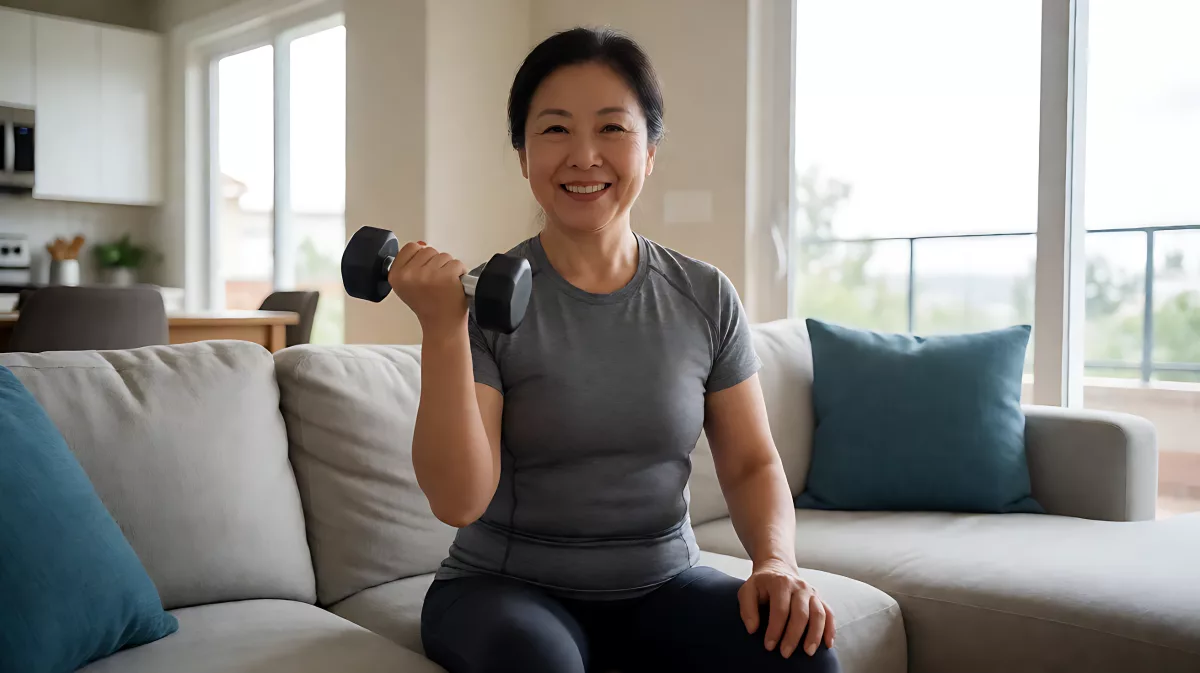
Sarcopenia is more than natural aging; it is a preventable decline in muscle mass. Discover how specific resistance training protocols and nutrition strategies can help you maintain strength and independence as you age.
Sarcopenia is a progressive loss of muscle mass and strength that affects physical function, but it is not an inevitable part of aging. Resistance training is the most effective tool to prevent this condition. By performing strength exercises two to three times per week and consuming adequate high-quality protein, older adults can preserve muscle mass, improve balance, and significantly reduce the risk of falls and fractures. Cleveland Clinic and the Academy of Nutrition and Dietetics agree that consistent muscle loading is the primary defense against age-related disability.
What Is Sarcopenia and Why Does It Matter?
Sarcopenia is a clinical condition defined by low muscle mass, low muscle strength, and poor physical performance. While some muscle loss begins in our thirties, the decline accelerates sharply after age 65. According to Cleveland Clinic, individuals in their 60s to 80s can lose as much as 8% of their muscle mass each decade. This reduction is not just cosmetic; it directly impacts the ability to perform daily activities such as climbing stairs, carrying groceries, or rising from a chair. When muscle loss progresses to the point where independence is threatened, it is classified as sarcopenia, a diagnosis recognized in the ICD-10-CM coding system to track prevalence and guide treatment.
The consequences of unaddressed sarcopenia are severe. Weak muscles lead to poor balance, which is a primary cause of falls and subsequent fractures in older adults. Furthermore, muscle is metabolically active tissue. Losing it reduces the body’s ability to burn calories efficiently, which can lead to weight gain and increased insulin resistance, a combination known as sarcopenic obesity that raises the risk of cardiovascular disease.
How Does Resistance Training Reverse Muscle Loss?
The body responds to stress through adaptation. When you challenge your muscles with resistance training, you signal them to repair and grow stronger, countering the natural process of atrophy. The Academy of Nutrition and Dietetics recommends that strength training be a regular part of any fitness routine for adults of all ages. It does not require heavy gym equipment or a desire to build large muscle bulk. The goal is functional strength, which supports bone density, improves joint stability, and enhances metabolic health.
Research indicates that the body can build new muscle tissue even in individuals up to the age of 80. This means it is never too late to start. For those who find traditional weightlifting difficult, the water offers an excellent alternative. The density of water is significantly higher than air, providing natural resistance. Aquatic exercises such as walking against the current or using kickboards allow for high-intensity muscle activation with low impact on the joints, making it a safe option for those with arthritis or balance concerns.
What Are the Best Resistance Training Exercises for Seniors?
You do not need a gym membership to fight sarcopenia. The Physical Activity Guidelines for Americans recommend strength training two to three times per week. Exercises should be performed until the point of difficulty, where completing another repetition becomes challenging. Here are three effective categories of resistance training suitable for home or community settings:
- Bodyweight Movements: Push-ups, squats, planks, and hip lifts are foundational exercises that require no equipment. Squats, in particular, target the quads and glutes, which are critical for standing and walking.
- Free Weights and Bands: Dumbbells and resistance bands offer adjustable tension. For beginners, starting with lighter weights and focusing on form is crucial. A common guideline is to perform 8 to 12 repetitions for 2 to 3 sets per muscle group.
- Aquatic Resistance: For those with joint pain, swimming or pool-based aerobics provide a controlled environment. The buoyancy of water supports the body, while the water’s resistance forces muscles to work harder than they would in air.
How Much Protein Do You Need to Support Muscle Growth?
Exercise provides the stimulus, but nutrition provides the building blocks. The Academy of Nutrition and Dietetics emphasizes that consuming adequate amounts of high-quality protein is essential to slow or reverse the effects of sarcopenia. Older adults often struggle to convert protein into muscle mass as efficiently as younger individuals, making consistent intake vital. While specific needs vary based on body size and activity level, a common recommendation for active older adults is to aim for at least 1.2 to 1.5 grams of protein per kilogram of body weight daily. Distributing this protein across three or four meals, rather than consuming it all in one sitting, helps maximize muscle protein synthesis.
What Are the Common Symptoms of Sarcopenia?
Recognizing the signs early allows for intervention before significant functional decline occurs. Cleveland Clinic identifies several key symptoms that indicate muscle loss is affecting daily life. These include a noticeable decrease in stamina, difficulty performing routine tasks, slow walking speed, and trouble climbing stairs. A simple screening tool used by healthcare providers is the SARC-F questionnaire, which evaluates five areas: Strength, Assistance with walking, Rising from a chair, Climbing stairs, and Falls. A score of 4 or higher on this scale suggests that further medical evaluation for sarcopenia is necessary.
Can Sarcopenia Be Diagnosed at Home?
While only a healthcare provider can offer a formal diagnosis, you can monitor your progress using simple, at-home assessments. The chair stand test is a reliable indicator of leg strength and functional capacity. To perform it, sit in a standard chair without armrests. Stand up and sit back down without using your arms, repeating this motion as many times as possible in 30 seconds. A decrease in the number of repetitions over time may signal a loss of quadricep strength. Additionally, tracking your walking speed over a known distance, such as a hallway, can help identify declines in mobility. If you notice you are walking more slowly than previous years, it is a good time to consult a doctor or physical therapist.
FAQ
Is it safe for beginners to start resistance training?
Yes, resistance training is safe and recommended for most older adults, including beginners. It is important to start with low intensity and focus on proper form to prevent injury. Consulting with a physician before starting a new exercise program is a prudent first step, especially if you have chronic conditions like heart disease or osteoporosis.
How often should I train to prevent muscle loss?
The Physical Activity Guidelines for Americans suggest strength training two to three times per week. Consistency is more important than intensity for those with sarcopenia. Training each major muscle group every 48 to 72 hours allows for adequate recovery and adaptation.
Do I need to lift heavy weights to see results?
No, heavy weights are not required. Light to moderate resistance is sufficient to stimulate muscle growth and maintenance. The key is to challenge your muscles to the point of difficulty. For many older adults, lighter loads with higher repetitions are more effective and safer than heavy, low-repetition lifting.
What if I have joint pain and cannot do squats?
Joint pain is common in older adults, but it does not mean you must stop moving. You can modify exercises by using machines, resistance bands, or performing movements in water. Aquatic therapy is particularly beneficial because it reduces joint impact while still providing resistance. Always listen to your body and adjust the range of motion to your comfort level.