Nighttime Hydration Strategies to Prevent Falls in Seniors
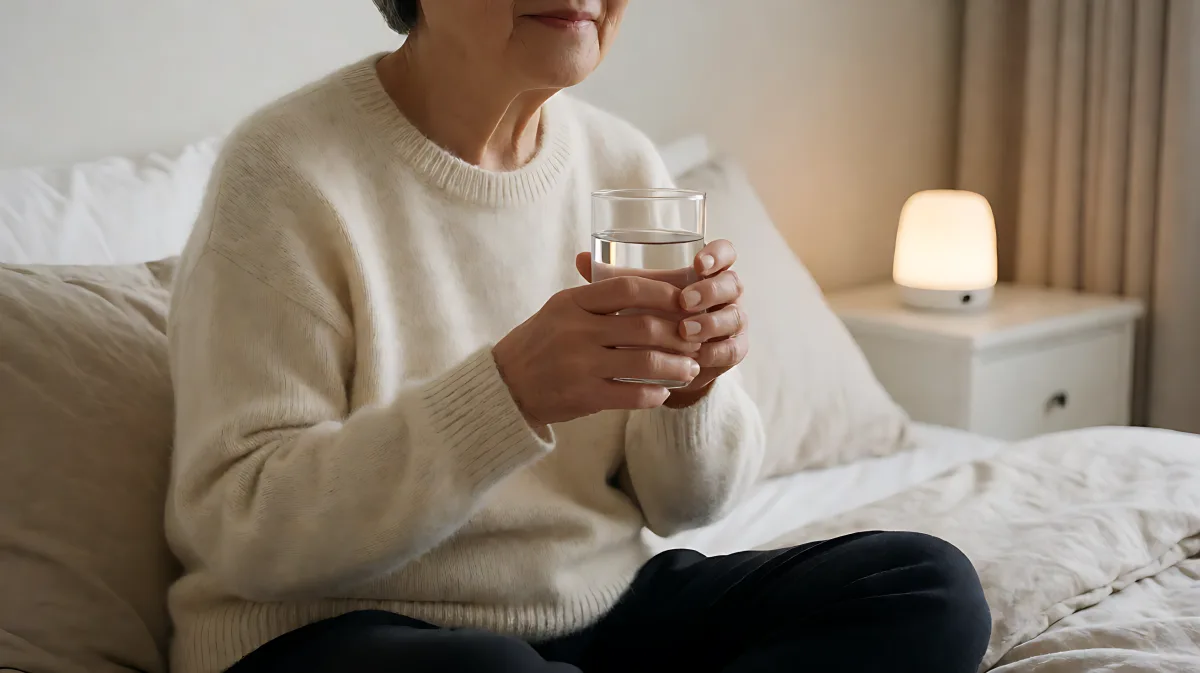
Dehydration is a leading, often overlooked cause of falls in older adults. By managing fluid intake and keeping water accessible at the bedside, families can significantly reduce the risk of nocturnal accidents and improve sleep quality.
Keeping water within arm’s reach at night is a critical safety measure for older adults. Dehydration can cause dizziness and muscle cramps, two major triggers for falls during sleep. By strategically managing hydration and ensuring accessible fluids, you can prevent the urge to wander dark hallways and reduce the risk of injury in the small hours.
Why dehydration leads to falls in older adults
The human body’s thirst mechanism weakens with age, meaning many seniors do not feel thirsty until they are already significantly dehydrated. The American Heart Association notes that up to 30% of people over 65 experience orthostatic hypotension, a sudden drop in blood pressure when standing. When this condition is combined with low blood volume due to dehydration, the result is severe dizziness. This often happens when an older adult wakes up thirsty and immediately tries to stand up to find water.
Furthermore, dehydration concentrates urine, which irritates the bladder lining. This irritation triggers sudden, intense urgency to urinate, known as nocturia. Many families assume that cutting back on fluids in the evening prevents these trips, but in fact, it does the opposite. The Cleveland Clinic explains that severe dehydration actually triggers more bladder irritation and false urgency signals, forcing the senior to rush to the bathroom in the dark, creating a high-risk fall scenario.
What is the myth about evening fluid restriction?
Many caregivers believe that stopping water intake four hours before bed is the best way to prevent nighttime bathroom trips. However, this strategy often leads to deeper dehydration, which impairs cognitive function and balance. Instead of restricting fluids entirely, the goal is to manage the timing and volume to support the body without overwhelming the bladder.
How to implement safe bedside hydration
The most effective strategy is to eliminate the need to leave the bed at all. Keeping a spill-proof water source on the nightstand allows the senior to take small, measured sips throughout the night. This combats dry mouth and muscle cramps without the physical exertion of walking to the kitchen. For those who cannot safely stay in bed for toileting, the pathway must be optimized.
- Place a stable, non-slip mat on the floor between the bed and the bathroom to prevent tripping on rugs.
- Install motion-activated night lights along the entire route, ensuring the path is illuminated without the need to fumble for switches.
- Keep the bedside commode or toilet area lit and free of obstacles such as toiletry bags or loose cords.
- Ensure the water source at the bedside is easy to reach and safe, such as a jug with a spout or a dedicated dispenser.
How should fluid intake be scheduled throughout the day?
Hydration should not be neglected during the day just to spare the bathroom at night. The key is to front-load water intake earlier in the afternoon. Consuming water-rich foods like cucumbers, celery, and watermelon during lunch can help maintain blood volume. As evening approaches, shift to smaller, more frequent sips rather than large glasses of water. Limiting fluids one to two hours before bedtime helps reduce the frequency of nocturia while still preventing the dangerous state of severe dehydration.
Signs that hydration is affecting sleep safety
Monitor for specific indicators that the current hydration strategy is failing. Waking up with a dry, sandy mouth or experiencing headaches in the morning are signs of insufficient fluid retention. More critically, sudden muscle cramps in the legs during the night are a direct result of electrolyte imbalances caused by dehydration. An older adult experiencing a severe cramp will instinctively try to stand up to walk it off, which is a recipe for a fall if they are unsteady or disoriented.
Orthostatic hypotension is most symptomatic within one to two minutes after standing, according to research from Johns Hopkins University. If a senior is dehydrated, this window of vulnerability is widened. The combination of low blood pressure and the grogginess of waking up makes the first few seconds after standing the most dangerous. Keeping water at the bedside prevents the need to stand and walk, thereby mitigating this risk entirely.
Common mistakes in nighttime fluid management
One frequent error is relying on sugary drinks or caffeine in the evening. Coffee and tea are diuretics, which increase urine production and make nocturnal trips more frequent. It is safer to stick with plain water or herbal teas without caffeine. Another mistake is leaving open glasses of water on the floor or coffee tables where they can be easily knocked over, creating a slippery hazard. The water source should always be in a stable, designated spot at the bedside.
Caregivers should also review medications with the doctor. Some blood pressure medications can exacerbate orthostatic hypotension. If a senior is on these drugs, strict adherence to hydration guidelines is even more critical to prevent blood volume from dropping too low. The interaction between medication side effects and fluid levels is a complex factor that requires professional oversight, but the immediate physical safety measure remains accessible water at the point of need.
Frequently Asked Questions
How much water should seniors drink before bed?
There is no single universal number, but limiting large volumes to the afternoon is generally recommended. Taking small sips of water at bedtime is safe and effective. The goal is to avoid the large fluid bolus that leads to immediate bladder distension while ensuring the body is not in a state of deficit.
Is it better to have a commode or go to the bathroom?
If the bathroom is close, flat, and well-lit, using the main bathroom is fine. If the bathroom is far, down stairs, or the individual has poor balance, a bedside commode is significantly safer. It removes the need for a long walk in the dark, which is the primary fall risk factor in this scenario.
Can dehydration cause confusion at night?
Yes. Low blood volume reduces oxygen delivery to the brain, which can lead to disorientation and cognitive fog. Waking up confused increases the likelihood of wandering into unsafe areas of the home or being unable to navigate simple obstacles like door thresholds.
What type of water container is safest?
A jug with a wide opening or a dedicated spout is best. Narrow-necked bottles can be difficult to open with arthritic hands or while groggy. Ensure the container is too heavy to tip over easily and sits on a stable surface next to the pillow.