The Psychology of Phishing: Why We Click & How to Stop
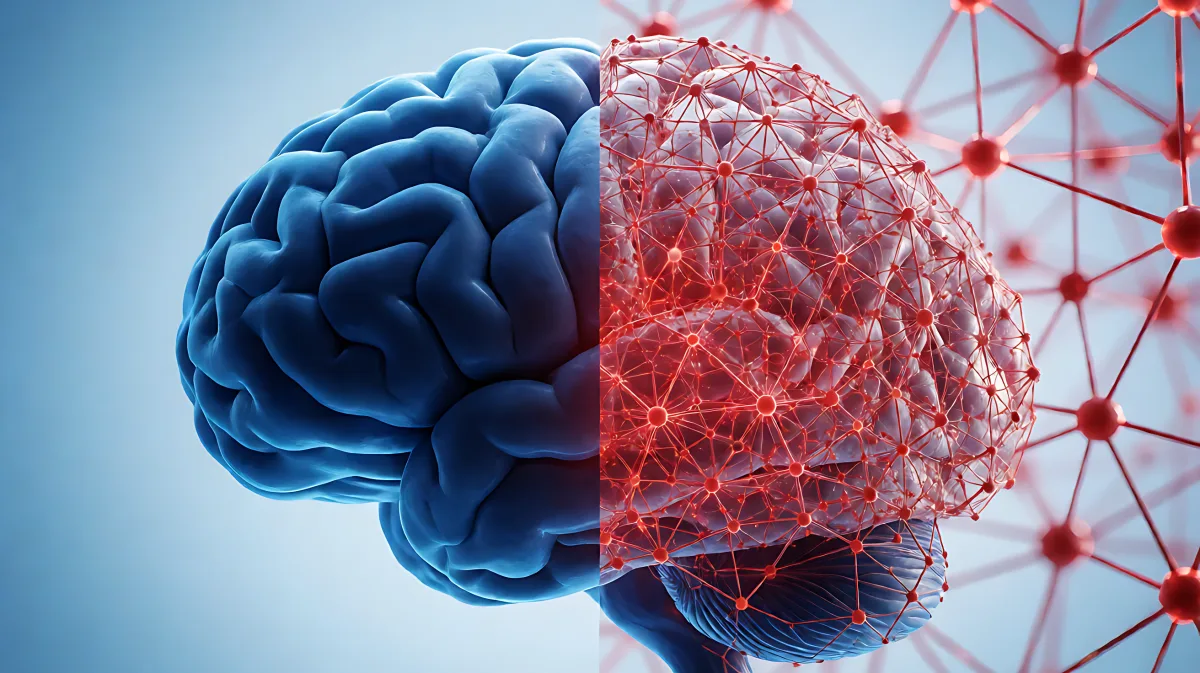
Phishing succeeds not because of code, but because of emotion. Explore the cognitive biases attackers target and the practical strategies to protect your digital life.
Phishing attacks succeed because they bypass logic and trigger emotional reflexes like fear, curiosity, and urgency. Cybercriminals exploit specific cognitive biases to manipulate human behavior, often without the victim realizing they are being deceived. Understanding these psychological triggers is the first step in building a resilient defense against sophisticated social engineering tactics.
What Makes a Phishing Attack So Hard to Resist?
When most people think of cybersecurity, they imagine firewalls, encryption, and patched software. However, the most vulnerable component of any security system is the human being behind the keyboard. Attackers have shifted their focus from breaking code to breaking will. This shift is rooted in social engineering, a discipline that blends sociology and psychology to create environments where a predetermined outcome—such as revealing a password or clicking a malicious link—becomes the path of least resistance.
The effectiveness of these attacks lies in their ability to override critical thinking. According to data from security firm Trellix, phishing remains the primary entry vector for breaches across all sectors. Their telemetry indicates that no industry is immune, highlighting that the threat is universal because it targets universal human traits rather than specific technical setups. A study cited by Trellix found that 92 percent of businesses reported falling victim to phishing attacks in the last year, proving that technical defense alone is insufficient without behavioral change.
How Do Attackers Exploit Cognitive Biases?
Human decision-making is not always rational; it is often influenced by systematic patterns of deviation known as cognitive biases. Attackers weaponize these biases to create "channels of influence" that bypass logical scrutiny. Two of the most common biases exploited are familiarity and authority.
Familiarity bias causes users to trust content that looks familiar. If an email looks like a message from a known colleague or a trusted bank, the brain is inclined to lower its guard. Attackers use domain spoofing and professional branding to mimic this familiarity. Authority bias, on the other hand, leverages the human tendency to obey figures of perceived power. A phishing email from a "CEO" or an "IT Administrator" requesting an immediate password reset exploits the reflex to comply with hierarchical commands, often without verifying the source through independent channels.
Which Emotions Drive Phishing Success?
Security experts identify four primary emotional levers that manipulators pull to trigger automatic responses. Understanding these triggers allows users to recognize the difference between a genuine request and a psychological manipulation.
- Fear and Urgency: This is the most potent tactic. Messages often warn that an account will be locked, funds will be frozen, or legal action is imminent. The goal is to create a time pressure that prevents the user from pausing to think. When the clock appears to be ticking, the probability of making an emotional, instinctive decision spikes dramatically.
- Curiosity and Greed: These emotions are driven by the promise of a reward. Emails offering exclusive access to documents, unexpected refunds, or high-yield financial tips exploit the desire for a shortcut or a windfall. The brain is wired to seek novelty and gain, making it easy to overlook red flags when a potential benefit is highlighted.
- Compassion and Pity: Social engineering often involves pretexting, where the attacker creates a sad or sympathetic story to elicit a helpful response. By framing the request as an emergency for a friend or family member, the attacker bypasses security protocols through the user's desire to help others.
Why Do Traditional Security Measures Fail?
Traditional cybersecurity focuses on hardware and software vulnerabilities. However, phishing targets the "human vulnerability," which is far less predictable than a coding error. Firewalls can block malicious IP addresses, but they cannot stop a user from voluntarily typing their credentials into a fake login page that looks identical to the real one.
As noted by the Identity Management Institute, human error is responsible for a significant percentage of data breaches. This is not always due to negligence, but often because systems are not designed with human behavior in mind. Complex password policies and confusing multi-factor authentication prompts can create friction that users are trained to bypass. When security is difficult, people take shortcuts. Attackers exploit these shortcuts by providing a "solution" that is convenient, even if it is dangerous.
What Is the Role of Social Dynamics in Breaches?
Phishing does not happen in a vacuum; it occurs within social structures. Group dynamics influence how employees perceive security risks. In organizations with a culture of accountability and teamwork, security awareness is often higher. Conversely, toxic or pressurized work environments can lead to compliance shortcuts, where employees are more likely to ignore warnings to meet deadlines or avoid the hassle of verification.
Furthermore, attacker groups often operate within intricate social networks, using social validation to coordinate their efforts. They test messages, refine their language, and share successful tactics. This collective intelligence allows them to stay ahead of static defensive training. To combat this, organizations must move beyond one-time training modules and create continuous, community-driven security cultures where reporting a suspicious email is rewarded rather than punished.
How Can You Protect Yourself From Phishing?
Building a defense against phishing requires a shift from passive awareness to active skepticism. Here are four practical steps to harden your personal and professional digital defenses.
- Verify Independently: If you receive an urgent request from a boss, bank, or IT department, do not use the links or phone numbers provided in the message. Instead, navigate to the website directly or call the known contact number found in your saved contacts. This breaks the chain of manipulation.
- Pause Before You Click: Implement a "two-second rule." When you feel a surge of fear or curiosity, stop. Take two seconds to assess the situation. Ask yourself: "Do I really expect this email right now?" If the answer is no, it is likely a phishing attempt.
- Adopt a Skeptical Default: Treat all unsolicited digital communication with suspicion. Whether it is an email, a text message (smishing), or a QR code (quishing), assume it is malicious until proven otherwise. This psychological stance reduces the power of authority and familiarity biases.
- Use Technical Helpers: Leverage password managers and multi-factor authentication (MFA). Even if you are tricked into entering credentials, a password manager will not store them for a fake site, and MFA will prevent the attacker from logging in without your physical device.
Why Are Behavioral Nudges More Effective Than Punitive Training?
Research suggests that punitive measures, such as failing a user out of employment for clicking a test phishing link, create anxiety rather than competence. Instead, organizations and individuals benefit from "nudges." These are subtle, non-coercive interventions that guide secure behavior without increasing cognitive load.
For example, visual warnings on email clients that highlight inconsistencies in sender domains, or gamification elements that reward users for reporting phishing attempts, create a closed loop of learning. This approach aligns with human-centric design principles, acknowledging that humans will make mistakes, but building systems that catch those mistakes before they become breaches. By designing security around human capabilities rather than against them, we reduce the likelihood of catastrophic errors.
The future of online safety depends not just on better code, but on better understanding ourselves. Phishing is a problem of psychology, not just technology. By recognizing the emotional triggers that attackers exploit, we can rewire our responses and turn our human instincts from liabilities into layers of defense.
FAQ
What is the most common emotion exploited in phishing?
Urgency, often paired with fear, is the most frequently exploited emotion. Attackers create artificial time pressure to force recipients to act on instinct rather than reason, bypassing the critical thinking that would normally identify red flags.
Can I be phished if I use a strong password?
Yes. Strong passwords do not protect you if you voluntarily type them into a fake login page created by a phisher. Multi-factor authentication (MFA) is essential because it adds a second layer of verification that a phisher cannot easily bypass, even if they have your password.
How do I report a phishing email?
Most corporate email systems have a specific button or link to report phishing. Do not forward the email to IT if they have asked you to use the report button, as forwarding can expose you to risks. For personal accounts, use the phishing report feature provided by your email provider.
Why do smart people fall for phishing?
Phishing targets universal human psychological traits, not intelligence levels. High-functioning individuals are still susceptible to cognitive biases like authority and familiarity. The attack is designed to bypass logical processing, meaning even experts can be manipulated if they are not specifically trained to recognize these social engineering tactics.
What is "whaling" in the context of phishing?
Whaling is a type of spear phishing that targets high-profile individuals, such as C-suite executives. These emails are highly customized and often contain significant research into the target's habits, making them extremely convincing and dangerous if compromised.