Protect Elderly Parents After a Password Breach
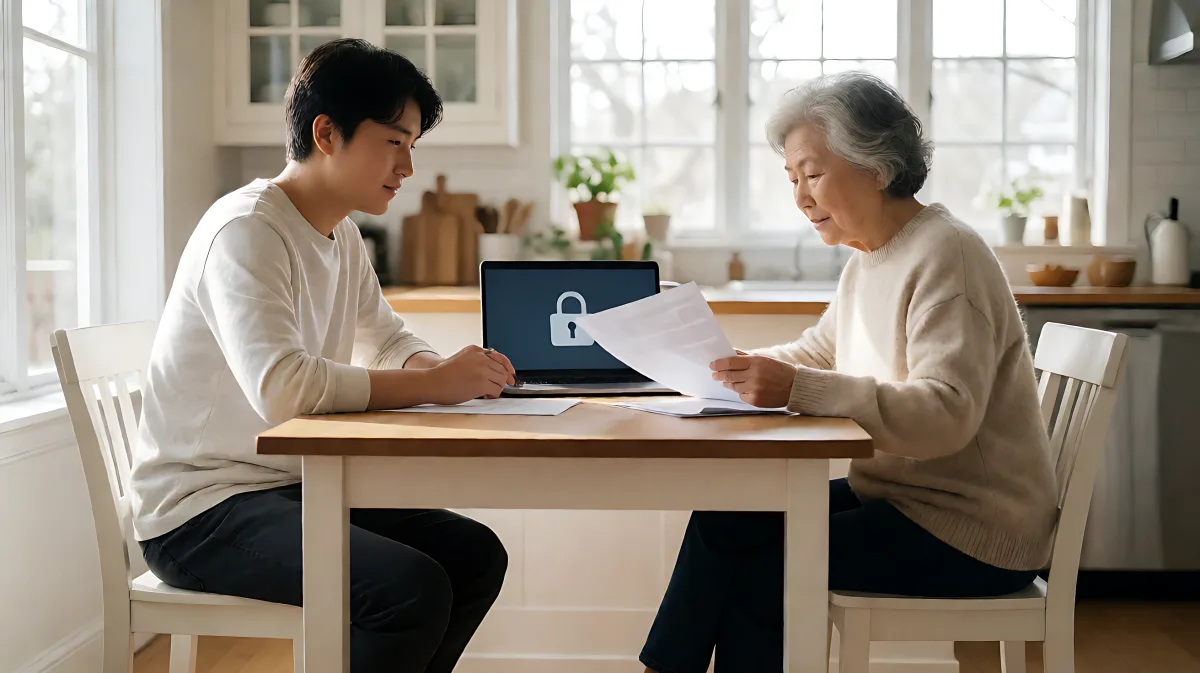
Data breaches are increasingly targeting senior care facilities and older adults. This guide outlines immediate steps to secure personal information, prevent fraud, and protect Medicare and financial accounts.
If your elderly parent’s data has been exposed in a recent password manager breach, you must act immediately to prevent identity theft and financial fraud. Start by changing critical account passwords, enabling multi-factor authentication, and placing a credit freeze with major bureaus. These steps stop criminals from opening new accounts or accessing existing financial data. The senior care sector is seeing a rise in breaches, with incidents affecting facilities in North Carolina, Ohio, and Washington, so proactive protection is essential for keeping personal information safe in 2026.
Why are senior data breaches a growing risk?
Senior living organizations and older adults face heightened cyber threats because they manage large volumes of sensitive health and financial data. According to cybersecurity firm SentinelOne, global data breaches increased by 40 percent in 2026, with attacks averaging 1,968 per week. This surge highlights that ransomware and phishing are primary vectors. Ransomware groups such as Sinobi and Worldleaks have claimed responsibility for attacks on senior care providers in California and Kansas, exfiltrating terabytes of data including Social Security numbers and health records. While many families assume that a breach is harmless if no fraud is visible yet, in fact, the data can be used for sophisticated targeted phishing and medical identity theft that may not appear on bank statements for months.
What are the immediate steps for the first 24 hours?
Time is critical when responding to a breach involving an older adult. The first step is to identify exactly what information was exposed, such as email addresses, login credentials, or health insurance details. Once identified, you should change passwords on all critical accounts, including email, banking, and healthcare portals. If your parent uses a password manager, verify that the breach did not expose the master password. If they do not, create unique, strong passwords for each account and store them securely. Aaron Puckett, vice president of Managed Services Group, emphasizes that implementing multi-factor authentication, continuous security monitoring, and security awareness training can prevent a large percentage of incidents. For elderly users who may struggle with complex codes, prioritize multi-factor authentication on email first, as this prevents the reset of all other linked accounts.
How do you secure financial accounts and credit?
Financial data is a primary target in these incidents. Contact banks and card issuers immediately to ask for enhanced monitoring and to replace any debit or credit cards whose numbers were exposed. Review recent transactions for small test charges, which fraudsters often use to verify card validity before making larger purchases. A credit freeze is one of the most effective safeguards available. It restricts access to credit files at Equifax, Experian, and TransUnion, making it nearly impossible for criminals to open new accounts in your parent’s name. The process is free in the United States and can be lifted temporarily when needed, such as when applying for legitimate credit. Many families miss the importance of freezing ChexSystems if bank account fraud is a concern, but doing so adds another layer of protection against unauthorized bank applications.
- Place a credit freeze at all three major bureaus: Equifax, Experian, and TransUnion.
- Store freeze PINs and login details in a secure, locked location.
- Request new card numbers if debit or credit data was compromised.
- Set up alerts for all major financial accounts to monitor login attempts and large withdrawals.
How can you protect Medicare and health records?
Medical identity theft is often difficult to detect because it does not show up on financial statements. If a breach included Medicare IDs or insurance member numbers, contact the insurer to understand their specific recommendations for protection. It is vital to tell your parent never to give out their Medicare number or insurance ID to unsolicited callers. Legitimate agencies will not demand personal information over an unexpected phone call or text message. If someone claims to be from Medicare or a health provider, hang up and call the official number to verify the request. Save copies of Explanation of Benefits statements and prescription notices to use for comparison if suspicious claims appear.
What communication safeguards reduce scam risk?
After a breach, criminals often use fear and urgency to pressure older adults into revealing more information. Set clear communication rules to help your parent verify requests before responding. Do not click links in unexpected text messages or emails, and never share codes sent by SMS or authentication apps with anyone. If your parent receives a message claiming their account is suspended, ignore it and contact the service provider directly using a trusted number. For those using smartphones, enable call blocking and spam filtering features. For landlines, consider adding caller ID tools or a call screening service to filter out known scam numbers.
How do you monitor for long-term identity misuse?
Prevention is only part of the strategy; monitoring helps catch suspicious activity early. Check bank statements, credit reports, and mail weekly for signs of misuse, such as new account inquiries, address changes, or unusual medical claims. If the breach involved a Social Security number, use the Social Security Administration’s online account protection features to review earnings records for anomalies. If tax-related information was exposed, file taxes early to beat any fraudulent returns that criminals might submit. Keep a simple log of all interactions with banks, credit bureaus, and government agencies, including dates, representative names, and case numbers, to maintain a clear record for future disputes.
FAQ
What should I do if my elderly parent does not use a password manager?
If your parent does not use a password manager, create unique, strong passwords for their most critical accounts and store them in a secure physical location, such as a fireproof safe. Write down recovery instructions and trusted contact details to help in case of lockouts or memory issues. Ensure that these passwords are not reused across different services, as this is a common cause of cascading account takeovers.
Is a credit freeze better than a fraud alert for seniors?
For most families, a credit freeze is the better default after a confirmed breach. While a fraud alert tells lenders to take extra verification steps, a freeze actively blocks new credit accounts from being opened. Since many older adults are not actively applying for new credit, the freeze provides superior protection without significant inconvenience, as it can be temporarily lifted when necessary.
How long should I monitor my parent’s accounts after a breach?
Expert advisors recommend reviewing and testing your security plan annually. In the case of a breach, maintain heightened monitoring for at least 12 months, which aligns with the complimentary credit monitoring services often offered by breached organizations. Continue to check mail and digital alerts regularly, as identity theft attempts can surface months or even years after the initial data exposure.