Noise-Canceling Headphones and Brain Fatigue: What Works
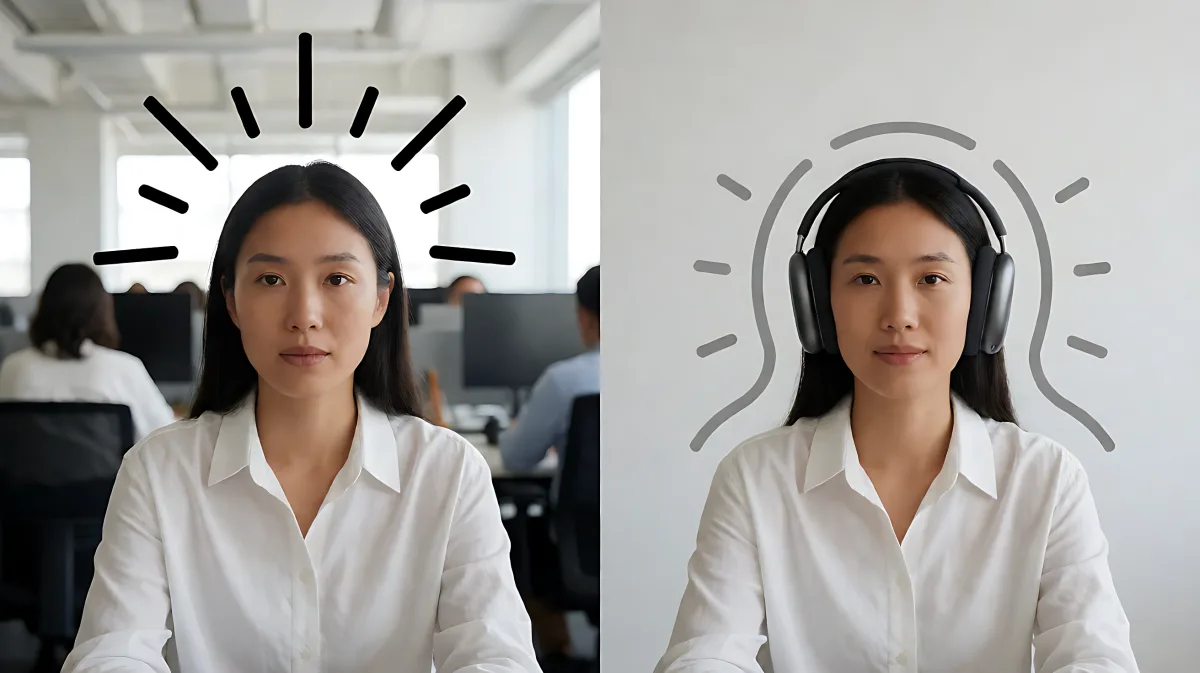
Noise-canceling headphones can reduce the mental effort required to filter out distractions, but improper use or volume can increase auditory strain. Learn how to balance focus with hearing safety.
Noise-canceling headphones can significantly reduce the cognitive load caused by background distractions, provided you manage volume levels and listening duration carefully. By using active noise cancellation to mute ambient sounds like office chatter or traffic, your brain saves mental energy that would otherwise be spent filtering irrelevant noise. However, keeping the volume below 60 decibels and taking regular breaks is essential to prevent auditory fatigue and long-term hearing damage, which can exacerbate cognitive stress.
How Noise Affects Brain Power
Many people assume that background noise is harmless as long as they are not consciously paying attention to it. In fact, research indicates that the brain must actively filter out unwanted sounds, a process known as auditory masking. This constant filtering consumes cognitive resources, leading to reduced memory retention, slower problem-solving, and increased mental fatigue over time.
When you are in a noisy environment, such as a busy café or an open-plan office, your brain works harder to distinguish important speech from background clatter. This extra effort acts as an unacknowledged tax on your processing power. Active noise-canceling (ANC) technology helps by generating sound waves that counteract low-frequency ambient noise, such as engine hums or air conditioning. By reducing this baseline noise, ANC lowers the immediate cognitive burden, allowing you to focus more efficiently on your primary tasks.
Is ANC Good for Deep Focus?
For tasks requiring sustained attention, ANC can be a productivity booster. By creating a quieter auditory environment, these headphones help maintain a state of flow. However, they are most effective against steady, low-frequency sounds. They are less capable of blocking sudden, high-frequency noises like a colleague’s sharp voice or a keyboard slamming. Therefore, while ANC reduces the overall cognitive load of filtering noise, it does not create absolute silence. The psychological benefit of feeling in control of your soundscape also contributes to lower stress levels, which indirectly supports better cognitive performance.
The Hidden Risk of Volume and Duration
While noise-canceling headphones help with external distractions, they can introduce new risks if used incorrectly. The primary danger lies in volume. Many users turn up the volume excessively to compensate for the initial sensation of pressure or to ensure they can hear their audio clearly above the remaining ambient noise. The World Health Organization recommends keeping personal audio devices at or below 60 decibels, which is roughly equivalent to a normal conversation.
Exposure to sounds above 85 decibels can cause irreversible hearing damage over time. Furthermore, hearing loss is linked to cognitive decline. When the brain struggles to process sound due to damaged hearing, it may reallocate resources away from memory and thinking, increasing the risk of dementia. Thus, the very technology designed to reduce cognitive load through quieting the environment can backfire if it leads to unsafe listening habits.
What is Auditory Fatigue?
Auditory fatigue occurs when the brain becomes overwhelmed by continuous audio input, whether from headphones or a noisy environment. In individuals with varying levels of hearing sensitivity, prolonged listening can lead to confusion, agitation, or a "shut down" of auditory processing. It is crucial to monitor for signs of overstimulation, such as irritability or glazed eyes, and to take breaks accordingly.
Safe Listening Best Practices
To maximize the cognitive benefits of noise-canceling headphones while protecting your hearing and brain health, follow these actionable steps:
- Apply the 60/60 Rule: Keep the volume at or below 60 percent of the maximum and limit continuous listening sessions to 60 minutes or less.
- Take Regular Breaks: After every hour of use, remove the headphones for at least 10 to 15 minutes to let your ears and brain rest.
- Use Transparency Mode Wisely: Switch to transparency or ambient mode when you need to hear your surroundings, such as during conversations or when walking in traffic, to reduce the need for high volume.
- Check Device Limits: Use built-in safety features on smartphones or tablets that cap maximum volume or notify you when audio exposure exceeds safe thresholds.
Choosing the Right Headphones for Your Brain
Not all noise-canceling headphones are created equal. When selecting a pair, prioritize comfort and effective cancellation of low-frequency noise, as this is where the technology performs best. Heavy or ill-fitting headphones can cause physical discomfort, which adds to cognitive load through physical stress. Look for ergonomic designs with lightweight construction. If you use headphones for long workdays, ensure the battery life supports at least 20 hours of use so you are not distracted by low-battery warnings.
For those in high-noise environments, pairing ANC with white noise or ambient soundscapes can further mask residual high-frequency distractions. This layered approach can create a more predictable auditory environment, which some individuals find easier for the brain to process than the erratic noise of a busy street or office.
Frequently Asked Questions
Can noise-canceling headphones actually make me smarter?
No, they do not improve innate intelligence. However, they can enhance cognitive performance by reducing the mental effort required to filter out distractions. This allows your brain to direct more resources toward learning and problem-solving, resulting in better focus and less fatigue during long work sessions.
What is the recommended maximum volume for safe listening?
The World Health Organization advises keeping volume levels at or below 60 decibels. This is typically equivalent to volume level 5 or 6 on most smartphone scales. Staying below 85 decibels is critical to prevent long-term hearing damage that can accelerate cognitive decline.
How often should I take a break from my headphones?
Experts recommend taking a break after 60 minutes of continuous use. A 10 to 15 minute break allows your auditory system to recover and prevents auditory fatigue. If you notice signs of discomfort or confusion, take a break immediately rather than waiting for the timer.
Do noise-canceling headphones help with tinnitus?
For many people, yes. By reducing external noise, the contrast between your internal tinnitus and the environment is lessened, which can make the ringing feel less intrusive. However, they do not treat the underlying condition. If you have persistent tinnitus, consult a healthcare professional for a proper diagnosis and management plan.