Neuroplasticity & Physical Therapy for Memory Loss
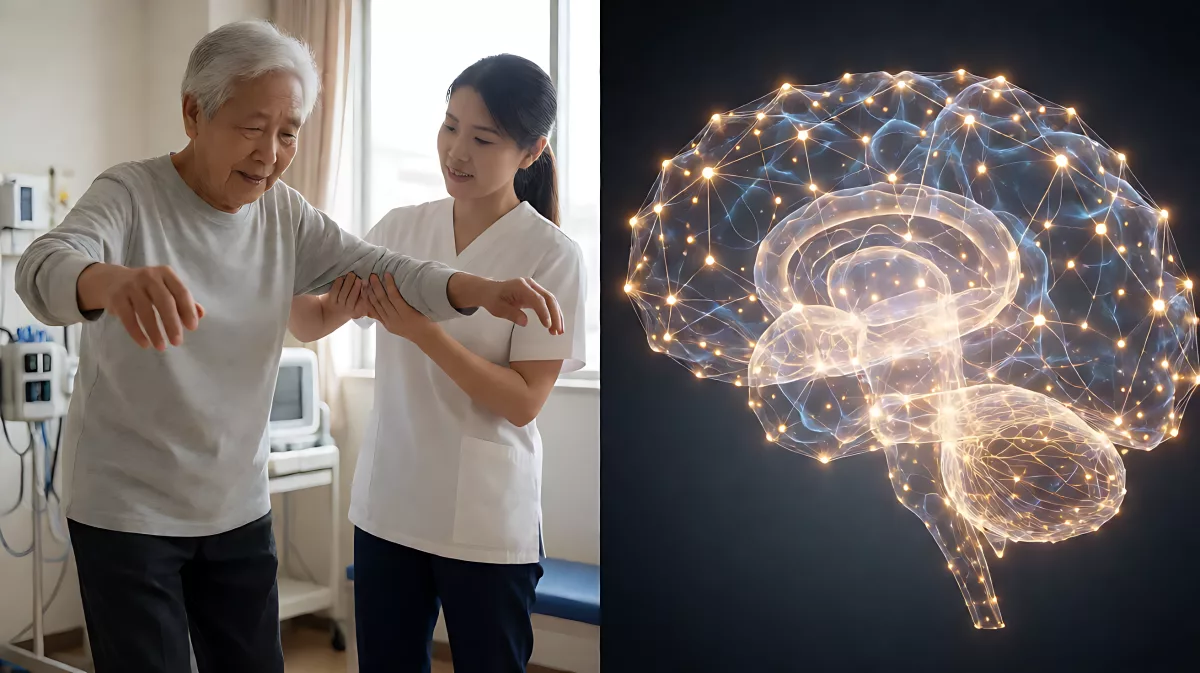
Physical therapy is not just about limbs; it is a critical tool for the brain. Learn how movement-based treatments harness neuroplasticity to combat memory loss and enhance cognitive resilience.
Physical therapy harnesses the brain’s natural ability to rewire itself, known as neuroplasticity, to improve memory and cognitive function. By combining physical movement with mental focus, these treatments stimulate neural pathways, helping patients recover from injury, manage dementia, or simply sharpen their mental clarity at any age.
What Is the Link Between Physical Therapy and Neuroplasticity?
Neuroplasticity refers to the brain's capacity to change its structure and function in response to new experiences or injuries. While this concept has long been associated with passive brain-training games, recent clinical focus has shifted toward how active physical therapy drives these changes. The brain is not a static organ; it requires continuous stimulation to maintain optimal function. When a patient undergoes physical therapy, they are not just strengthening muscles; they are engaging the cerebral cortex in complex processing tasks that reinforce neural connections.
Dr. Michael Merzenich, a neuroscientist and professor emeritus at UC San Francisco, has emphasized that brain health is a function of how it is used. Because of its plasticity, the brain can be exercised to grow its cognitive reserve, which is the ability to cope with challenges and resist age-related decline. In a therapeutic setting, this means that specific movements, when paired with intent and focus, can literally reshape the brain's architecture. This is particularly vital for individuals experiencing memory loss, as targeted physical interventions can help restore or strengthen the neural circuits responsible for recall and executive function.
How Do Dual-Task Exercises Enhance Memory?
One of the most effective methods in modern physical therapy is the use of dual-task exercises. These activities require patients to perform a physical movement while simultaneously engaging in a mental task. For example, a therapist might ask a patient to walk in a straight line while repeating a sequence of numbers or naming objects from a specific category. This forces the brain to multitask, boosting cardiovascular health while sharpening cognitive processing.
Dancing is a prime example of this approach. Learning choreographed routines, such as ballroom or salsa, engages physical, mental, and social circuits. It requires the hippocampus, the brain's memory center, to work hard to store and recall sequences of steps. Studies indicate that the variability and intricacy of dance promote neuroplasticity and can lead to measurable improvements in the integrity of gray and white matter tracts. Similarly, tai chi, a moderate-intensity aerobic exercise, combines slow, flowing movements with deep mental focus, enhancing attention and working memory while improving balance.
Which Physical Therapy Techniques Support Cognitive Recovery?
Not all physical therapy is created equal when it comes to brain health. Therapists are increasingly using specific protocols designed to maximize neuroplastic benefits. These techniques move beyond simple range-of-motion exercises and into the realm of cognitive-motor integration.
- Proprioceptive Training: Exercises that challenge the body's sense of position in space help sharpen visuospatial reasoning. When a patient attempts to maintain balance on an unstable surface while looking at a moving target, the brain must constantly update its spatial map, a process that builds cognitive flexibility.
- Complex Motor Sequencing: Learning to ride a stationary bike with hand-crank handles or navigating obstacle courses requires the brain to plan, execute, and adjust actions in real time. This sequential processing strengthens executive function, which is closely linked to memory consolidation.
- Telehealth Rehabilitation: Organizations like the Centre for Neuro Skills in Bakersfield, California, have pioneered intensive rehabilitation programs that leverage telehealth. By delivering therapy remotely, they ensure continuous engagement, which is crucial for maintaining the momentum of neuroplastic changes. Their approach combines clinical expertise with compassionate care to help patients re-establish daily routines, a key factor in cognitive recovery.
How Can Technology Accelerate Neuroplastic Changes?
The field of neuroplasticity is increasingly intersecting with advanced technology. Companies like Omniscient Neurotechnology in Sydney, Australia, are using artificial intelligence and extensive neural data to create detailed maps of brain networks. This allows for a more precise understanding of how specific physical therapies affect individual brain architectures. By analyzing connectomics, researchers can tailor interventions to maximize each brain's potential for better treatment outcomes.
Furthermore, digital tools are making cognitive tracking more accessible. Platforms such as CogniFit, which boasts over six million users worldwide, allow individuals and clinicians to monitor cognitive age and specific skills like working memory and attention. While these tools do not replace physical therapy, they provide valuable data that therapists can use to adjust exercise intensity and complexity. For instance, if a patient's working memory scores plateau, a physical therapist can introduce more complex dual-task elements to their regimen.
The Neuroplasticity Alliance, based in Atlanta, United States, is also working to increase awareness and access to these therapies. By fostering collaboration among healthcare professionals, the organization aims to translate research into new treatments that are accepted in traditional healthcare settings. This includes supporting practitioners who integrate physical movement with cognitive stimulation, ensuring that neuroplasticity is not just a concept but a standard of care.
What Role Does Mind-Body Connection Play in Memory Improvement?
There is a strong scientific consensus that the mind and body are deeply intertwined. Dr. Rick Hanson, a psychologist and Senior Fellow of UC Berkeley’s Greater Good Science Center, has researched how positive neuroplasticity works. He notes that while our brains are wired to learn quickly from negative experiences, we can actively change this by internalizing beneficial experiences. In a physical therapy context, this means that the emotional state during exercise matters. A patient who feels confident and engaged is more likely to see results than one who is anxious or disengaged.
Physical therapy sessions that incorporate mindfulness, such as tai chi, help override the brain's negativity bias. By focusing on the present moment, patients reduce stress, which is known to be detrimental to memory. Lower cortisol levels allow the hippocampus to function more efficiently. This synergy between mental calm and physical movement creates a fertile ground for neuroplastic change. It is not just about moving the limbs; it is about moving the brain into a state where it is ready to grow and adapt.
Can Older Adults Still Build Cognitive Reserve?
A common myth is that neuroplasticity diminishes with age. In reality, the brain remains resilient throughout life. The key is consistent, challenging stimulation. For older adults, simple changes in routine can make a significant difference. Taking new walking routes, learning to play a musical instrument, or practicing complex board games all force the brain out of autopilot. These activities, when combined with professional physical therapy guidance, can significantly enhance cognitive reserve. The goal is not just to maintain function but to improve it, allowing individuals to stay sharp and independent for longer.
Frequently Asked Questions
How long does it take for physical therapy to improve memory?
While individual results vary, significant improvements in cognitive function often begin within 8 to 12 weeks of consistent dual-task training. Neuroplasticity is a gradual process, and sustained engagement is required to see lasting changes in memory recall and executive function.
Is dancing safe for patients with balance issues?
Yes, when supervised by a qualified physical therapist. Supportive props like chairs or railings can be used to ensure safety while still engaging the cognitive aspects of dance. The mental challenge remains high even if the physical movements are modified.
Do I need special equipment for neuroplasticity exercises?
No. Many effective exercises, such as tai chi or complex walking patterns, require no equipment. The focus is on the coordination between movement and thought. Simple items like balance boards or balls can be added to increase difficulty, but they are not strictly necessary to stimulate neuroplastic changes.
What is cognitive reserve and why is it important?
Cognitive reserve is the brain's ability to adapt and cope with damage or age-related changes. A higher reserve allows the brain to maintain function longer despite pathological changes. Building this reserve through physical and mental stimulation is a key strategy for preventing or delaying symptoms of memory loss.
Can physical therapy help with early-stage dementia?
Yes. While physical therapy cannot cure dementia, it can help manage symptoms and improve quality of life. Engaging in physical activity stimulates brain regions involved in memory and attention, which can help maintain function for a longer period. It also improves overall physical health, which is linked to better cognitive outcomes.