Mitochondrial Health & Aging: 5 Ways to Boost Cell Energy
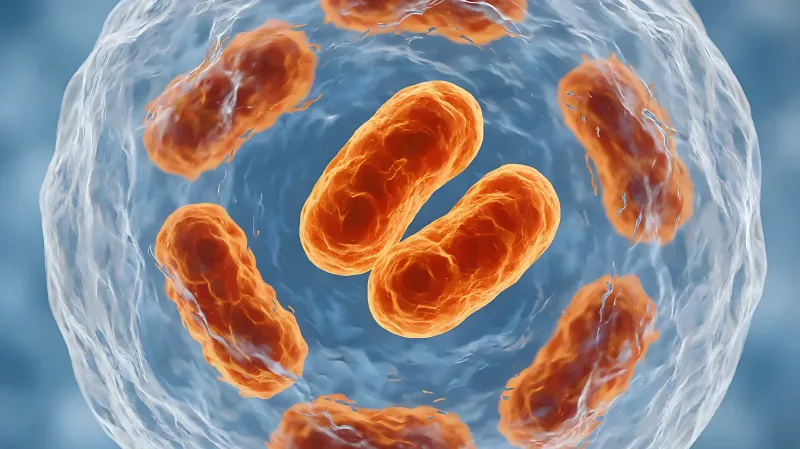
As mitochondria produce less energy with age, chronic diseases rise. Learn how to protect these organelles through targeted lifestyle changes and emerging supplements.
Mitochondrial dysfunction is a primary driver of aging, causing cells to produce less energy and accumulate damage. This decline links to chronic diseases like heart disease and Alzheimer's. Research published in Frontiers in Physiology confirms that protecting these organelles through exercise and targeted supplements like Urolithin A can help mitigate age-related cellular decline and support overall longevity.
Why Do Mitochondria Fail as We Age?
Think of mitochondria as the power plants of your cells. They generate approximately 95% of the adenosine triphosphate, or ATP, that your body needs to function. According to recent research in Frontiers in Physiology, as humans age, these organelles suffer from structural and functional changes. This leads to a buildup of reactive oxygen species, often called free radicals, which damage the mitochondrial DNA. The human mitochondrial genome contains 16,569 base pairs and 37 genes, and even small mutations in this system can disrupt energy production. Furthermore, the process of mitophagy, which is the cellular recycling of old mitochondria, becomes less efficient over time. This efficiency drop is a core hallmark of aging identified by researchers at the University of Oslo and other institutions.
How Does Mitochondrial Decline Impact Chronic Disease?
When mitochondria struggle to produce energy, the ripple effects are felt throughout the body. The latest available review highlights a strong association between mitochondrial dysfunction and age-related disorders such as cardiovascular disease, type 2 diabetes, and neurodegenerative conditions like Parkinson's and Alzheimer's. The International Energy Agency notes that metabolic stress increases oxidative damage, which can trigger inflammatory responses. In the brain, for example, energy deficits contribute to neuronal death, leading to cognitive decline. Therefore, maintaining mitochondrial integrity is not just about feeling more energetic; it is a fundamental strategy for preventing the most common chronic diseases of old age.
What Is the Role of Exercise in Mitochondrial Health?
While aging causes a natural decline in mitochondrial mass, physical activity is the most potent countermeasure available. Research from the University of York indicates that exercise stimulates mitochondrial biogenesis, which is the creation of new mitochondria. When you engage in regular physical activity, your body demands more energy, signaling the cells to build more power plants. This process also enhances mitophagy, helping to clear out damaged organelles before they can cause further harm. A study published in the Journal of Physiology found that omega-3 fatty acids, found in foods like avocados and nuts, can also help strengthen mitochondrial membranes, protecting them from free radical damage. Combining a colorful diet rich in antioxidants with consistent exercise creates a robust defense against oxidative stress.
Can Supplements Like Urolithin A Help?
Emerging research has identified Urolithin A as a powerful tool for boosting mitochondrial renewal. This compound is derived from the metabolism of ellagitannins, found in foods like pomegranates. Timeline, a longevity-focused company, has conducted clinical trials involving over 2,000 participants to test the efficacy of their Urolithin A supplement, Mitopure. The results, published in Cell Reports Medicine, showed that mitochondrial renewal increased by 39% after 16 weeks of supplementation compared to a placebo. This direct activation of mitophagy helps replace old, damaged mitochondria with newer, more efficient ones. Other nutrients, such as NAD+ precursors found in products like Tru Niagen, also play a role by supporting the coenzymes required for mitochondrial energy production. While these supplements are not a cure-all, they offer a targeted approach to cellular maintenance that complements lifestyle changes.
What Lifestyle Habits Should You Avoid?
Not all habits support mitochondrial health. High alcohol consumption and diets heavy in refined sugars and processed foods create metabolic stress that forces mitochondria to overwork, leading to an excess of free radicals. When the body's natural antioxidant defenses cannot neutralize this surplus, oxidative stress damages cellular structures. Additionally, frequent viral infections can temporarily deplete NAD+ levels, a critical coenzyme for mitochondrial function. By reducing alcohol intake, limiting processed sugar, and staying active, you lower the burden on your mitochondria. This proactive approach helps maintain the delicate balance between energy production and oxidative damage, which is essential for healthy aging.
What is mitophagy and why is it important?
Mitophagy is the specific form of cellular recycling that removes damaged or inefficient mitochondria. It is vital for maintaining cellular homeostasis. As we age, mitophagy efficiency drops, leading to the accumulation of dysfunctional mitochondria, which increases reactive oxygen species production and contributes to age-related diseases. Supporting this process through exercise or specific compounds like Urolithin A can help preserve cellular health.
Does exercise really create new mitochondria?
Yes, a process called mitochondrial biogenesis is stimulated by physical activity. Research from York University confirms that exercise signals skeletal muscle cells to clone existing mitochondria to meet increased energy demands. The more mitochondria you have, the more efficiently your cells operate, which promotes positive effects on overall health and energy levels.
How long does it take to see results from mitochondrial support?
While exercise provides benefits over time, clinical trials for specific supplements like Urolithin A have shown significant improvements in mitochondrial renewal within 16 weeks. Consistent adherence to a healthy lifestyle, including regular exercise and antioxidant-rich eating, supports mitochondrial health continuously. The goal is long-term cellular maintenance rather than a quick fix.
Is Urolithin A safe for everyone?
Timeline's clinical trials involved over 2,000 participants, and the product is generally well-tolerated. However, as with any supplement, it is important to consult with a healthcare provider before starting a new regimen, especially if you have existing health conditions or are taking other medications. Individual responses may vary.