Space Tourism Bone Loss Risks and Mitigation Strategies
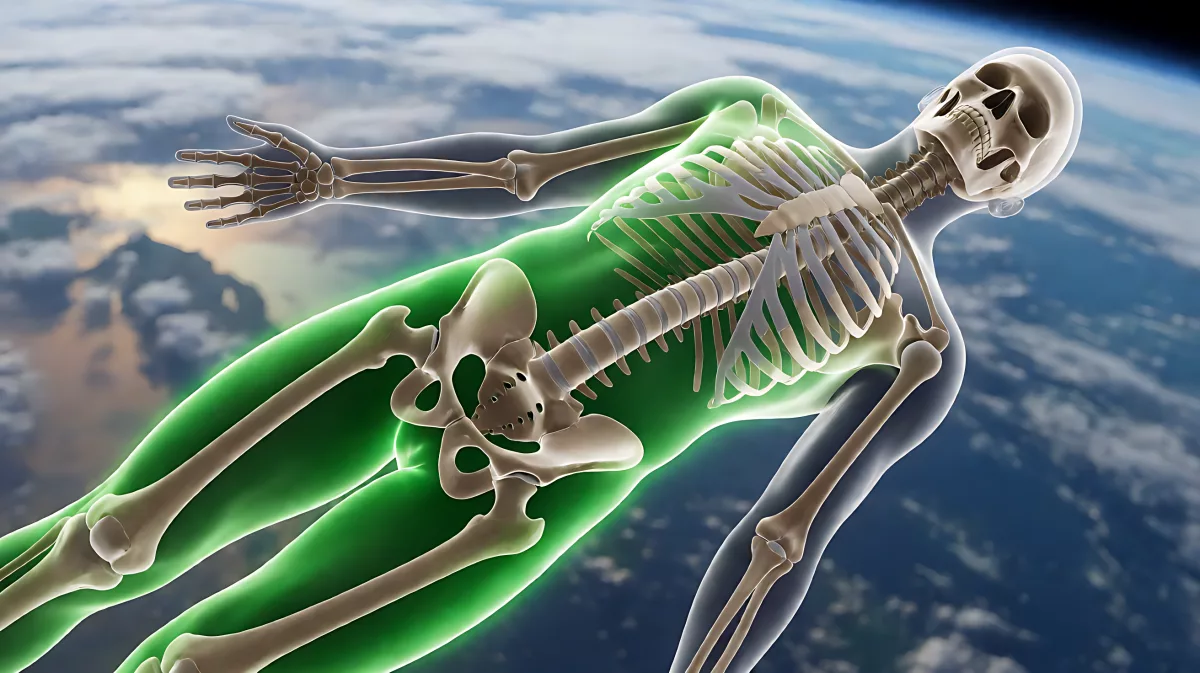
As space tourism expands, understanding the physical toll of microgravity is essential. This guide explores how bone density changes in zero-g environments and the innovative strategies being developed to protect both professional astronauts and private space tourists.
Space tourists risk significant bone density loss during even short orbital flights, a condition known as microgravity-associated bone loss. Without the constant pull of gravity, the body’s skeletal system no longer needs to support weight, causing bones to become porous and fragile rapidly. For leisure travelers who may not have the rigorous pre-flight training of professional astronauts, understanding this physiological shift is critical for safe post-flight recovery.
Why does space travel weaken the bones?
The human skeleton adapts to the mechanical stress of gravity. In microgravity, the loading on weight-bearing bones in the legs, hips, and spine drops to near zero. In response, the body accelerates bone resorption, the process where bone tissue is broken down, while slowing down bone formation. This imbalance leads to a net loss of mineral density.
According to data from the National Aeronautics and Space Administration, astronauts can lose up to 1 to 2 percent of bone mass per month in the hips and spine. While professional crews manage this through strict protocols, space tourists on shorter suborbital or low Earth orbit flights still face a rapid onset of these changes. The speed of density loss means that even a brief trip can result in measurable skeletal changes, making post-flight rehabilitation a key component of the space tourism experience.
How do current countermeasures protect astronauts?
Agencies like the European Space Agency and NASA have developed a combination of pharmacological, nutritional, and physical interventions to mitigate bone loss. The most prominent physical countermeasure is resistance exercise. Astronauts use specialized machines, such as the Advanced Resistive Exercise Device, to mimic the weight of Earth. This device allows users to lift simulated loads, keeping the skeletal muscles and bones under mechanical tension similar to gravity.
Pharmacological treatments are also being tested, including bisphosphonates and other drugs that inhibit bone breakdown. However, these medications carry risks of side effects and require careful monitoring. For space tourists, who may not undergo months of baseline health screenings, the feasibility of using complex pharmaceutical regimens during a short vacation remains a logistical and medical challenge. The industry is currently exploring whether simplified, non-pharmacological approaches can be scaled for commercial passengers.
Can food and new technology offset gravity’s effects?
Researchers are increasingly looking to in-space cultivation for solutions. A notable study from the University of California, Davis, explored the development of transgenic lettuce plants capable of producing human parathyroid hormone. This hormone is crucial for regulating calcium levels and maintaining bone health. By genetically modifying the plants to express this protein, scientists aim to create a food source that actively supports skeletal density while in orbit.
This approach addresses two problems: the need for fresh food in microgravity and the requirement for bone-protecting treatments. While the technology is still in the experimental phase, it highlights a shift toward integrated life support systems that double as medical facilities. For commercial spaceflight operators, the ability to grow therapeutic crops could significantly reduce the volume of pharmaceuticals that need to be transported, lowering launch costs and medical complexity.
What does this mean for the aging space tourist?
As the space tourism demographic ages, the intersection of geriatric health and space medicine becomes more complex. Older adults already experience a natural decline in bone density due to aging. Exposure to microgravity accelerates this process, potentially leading to osteoporosis that may not fully reverse after return to Earth. A review published in Translational Exercise Biomedicine emphasizes that combined interventions of exercise and nutrition are the most effective strategies for mitigating these risks.
For the private space sector, this suggests that health screening criteria for customers will need to evolve. Carriers may need to implement mandatory pre-flight bone health assessments and structured post-flight rehabilitation programs. The goal is to ensure that the adventure of space travel does not come at the cost of long-term skeletal health, particularly for customers who are not young, trained athletes.
What is the average rate of bone loss in microgravity?
Astronauts and space travelers typically lose between 1 and 2 percent of bone mass in the hips and spine for every month spent in microgravity. This rate of loss is significantly higher than the natural annual decline seen in healthy adults on Earth.
Can exercise completely prevent bone loss in space?
Exercise can significantly slow bone loss but cannot completely prevent it in a microgravity environment. Combining resistance training with nutritional support and potentially pharmacological agents yields the best results for maintaining skeletal health during extended stays.
Are there specific foods that help protect bones in space?
Yes, research is underway to cultivate genetically modified crops, such as lettuce, that produce bone-protective proteins like parathyroid hormone. While not yet standard in commercial flights, this technology aims to provide a therapeutic food source that supports bone density without the need for injections.
How does space travel affect older adults differently?
Older adults are more susceptible to accelerated bone loss in microgravity due to age-related decreases in bone density. They may require longer periods of rehabilitation after returning to Earth to restore skeletal strength, making pre-flight health assessments more critical for this demographic.