Knee Replacement Habit Recovery: 3-Day Micro-Schedule
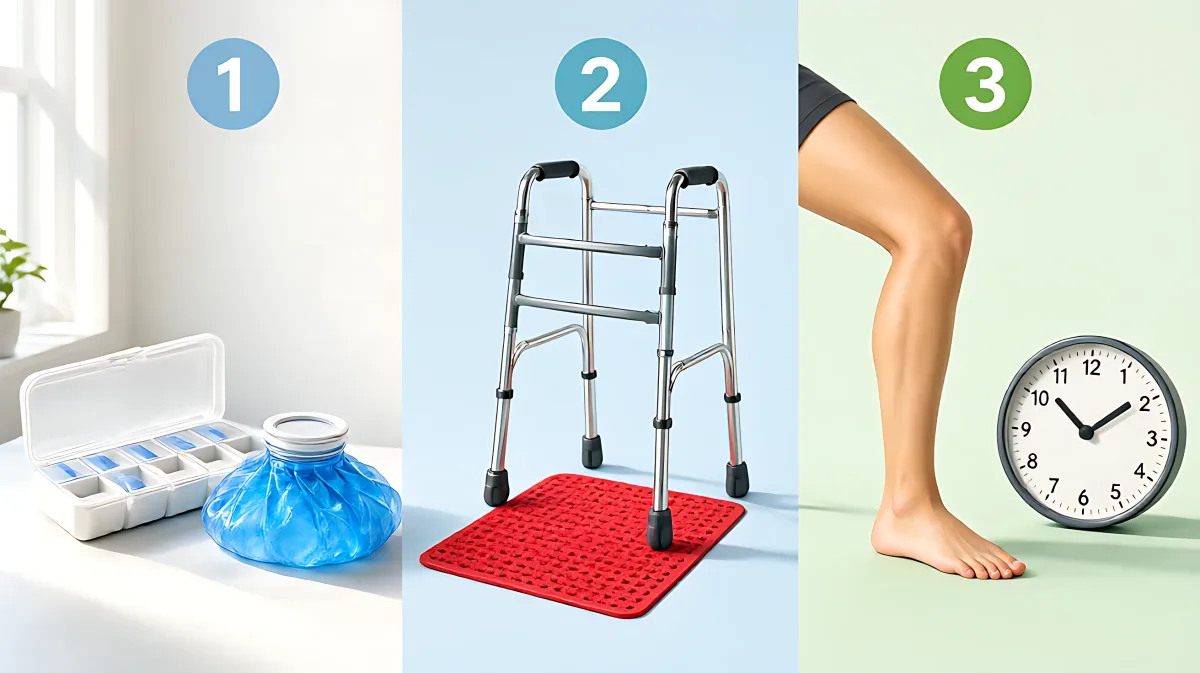
The first week after knee replacement is when daily routines often break. Learn a concrete 3-day schedule to keep your medications, hygiene, and exercises on track so you can reach 90-degree flexion and reduce swelling effectively.
After total knee replacement, the first week is when established routines often collapse under the weight of pain and fatigue. To prevent this, adopt a three-day micro-schedule that anchors your medication, hygiene, and mobility exercises to fixed times. This structure helps you maintain consistency, manage swelling with CDC-recommended fall prevention strategies, and hit early recovery milestones like 90-degree flexion without missing critical care steps.
Why do morning habits fail after knee surgery?
Many retirees assume that simply trying harder will keep their routines intact, but in fact, surgical pain and anesthesia side effects disrupt the cognitive loops that trigger automatic behaviors. You may miss your 8:00 AM medication dose because standing on one leg to reach the cabinet causes instability. The body enters a survival mode, prioritizing rest over regularity. A structured external cue system—like a pill box placed next to the walker or a visual timer on the fridge—restores the connection between time and action.
What does the first three days look like in practice?
The following schedule is designed for a patient in the first post-surgical week, focusing on the critical window where range of motion is most responsive. It integrates the advice from Mayo Clinic guidelines on pacing activities to prevent fatigue from compromising exercise quality.
- Day 1: Stabilize and Cue. Focus on establishing the visual cues. Place your ice pack in the freezer and set three 20-minute timers for icing. Arrange all medications in a color-coded blister pack on the nightstand. Do not attempt to shower; use a sponge bath. Goal: Two short walks of 5 minutes using the walker.
- Day 2: Hygiene and Flexion. Introduce the hygiene block. If cleared by your care team, shower gently with the door open to manage moisture, or use a handheld showerhead. Sit on a bench in the bathroom. Perform quad sets and ankle pumps as prescribed. Goal: Achieve 70–90 degrees of flexion in 2 sessions.
- Day 3: Consolidate the Loop. Combine the medication, ice, and exercise into one continuous flow. Take meds, apply ice for 20 minutes, then immediately do your range-of-motion exercises while the ice is still active. Goal: Walk to the mailbox or front door and back, maintaining full extension.
How can I compare routine methods to avoid mistakes?
Patients often mix and match strategies without understanding the trade-offs. The table below contrasts a reactive approach with a proactive structured approach, highlighting why the latter leads to better long-term outcomes.
| Strategy | Medication Adherence | Pain Management | Recovery Impact |
|---|---|---|---|
| Reactive (As-needed) | Misses 1-2 doses daily | Chasing pain (high intensity) | Increased stiffness, slower flexion gain |
| Proactive (Scheduled) | 100% adherence via cues | Staying ahead of pain (low intensity) | Consistent motion, faster return to function |
What specific numbers should I track?
Track your knee flexion angle daily. By the end of the first week, you should be able to bend to at least 70 degrees, with a goal of 90 degrees by day 10–14. According to the NIH, consistent motion in the first six weeks is the single most important factor in determining long-term range of motion. If you cannot reach 90 degrees by week two, consult your physical therapist immediately rather than waiting for the next appointment.
How do I keep the routine going when I feel tired?
Tiredness is a physical signal, not a mental weakness. Use the "10-minute rule." Commit to only 10 minutes of exercise or hygiene. Most of the time, starting is the hardest part. Once you begin, the momentum often carries you through. If you hit a wall, stop and rest, but keep the medication and icing schedule intact, as these are the non-negotiables that prevent clotting and infection risks.
This article is for general information only and is not a substitute for professional medical advice, diagnosis, or treatment. Always consult a qualified clinician about your situation.
FAQs
When can I stop using the walker?
Most patients transition from a walker to a cane between weeks 2 and 3, but this decision must be made by your physical therapist based on your quadriceps strength and balance, not on how you feel subjectively.
Is it okay to skip exercises if I am tired?
It is better to modify the exercise to a shorter duration than to skip it entirely. Motion is critical for healing; zero motion leads to joint stiffening. Always prioritize the ice and medication schedule over the exercise volume if you are fatigued.
How long should I ice my knee?
Ice for 15 to 20 minutes at a time, several times a day. Never place ice directly on the skin. Use a towel as a barrier. This schedule is effective for controlling swelling during the first two weeks of recovery.