Daily Habits for Chronic Pain Maintenance and Relief
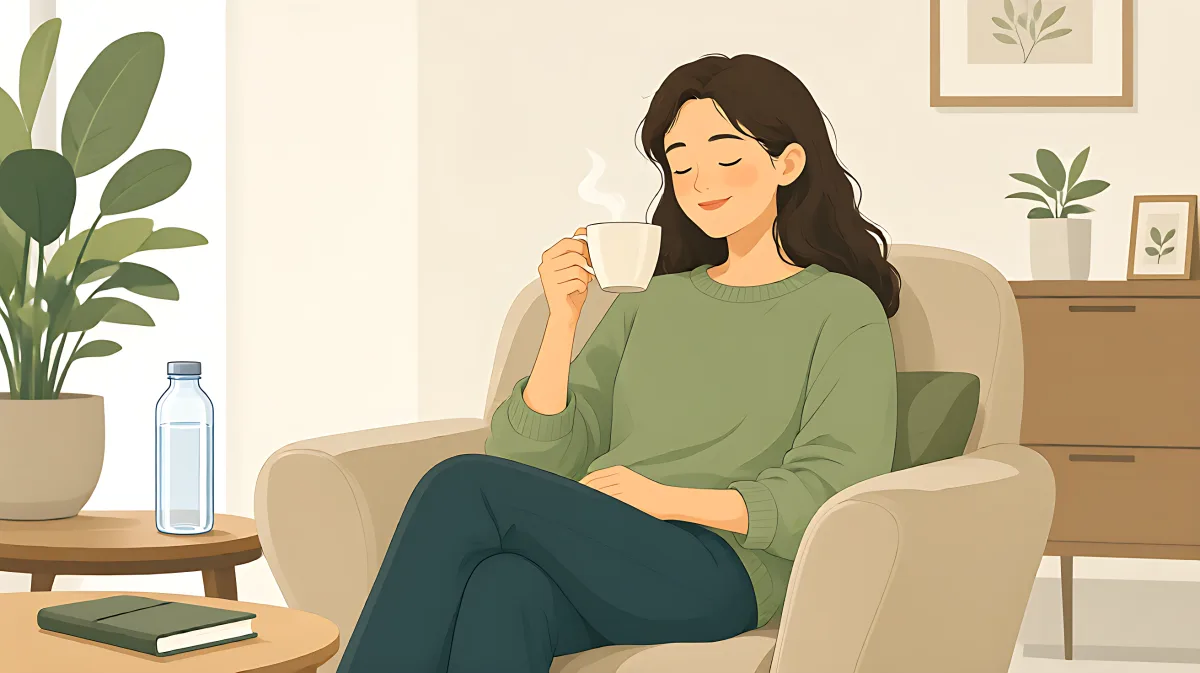
Chronic pain management relies on consistency. This guide outlines the essential daily habits, from gentle movement to stress reduction, that help maintain relief and prevent flare-ups.
Managing chronic pain is less about finding a one-time cure and more about building a consistent daily routine. To maintain relief, you need to stack small, intentional habits that address movement, sleep, and stress. Start with five minutes of gentle activity, schedule regular rest breaks to avoid the "boom-and-bust" cycle, and prioritize hydration and anti-inflammatory foods. These daily actions help retrain your nervous system and keep pain levels manageable without relying solely on medication.
Why consistency matters more than intensity in pain care
Many patients assume that rest is the best medicine during a flare-up, but in fact, prolonged inactivity often leads to stiffer joints and higher muscle tension over time. The goal of habit maintenance is not to push through pain, but to establish a sustainable baseline of activity. By sticking to a schedule rather than reacting to momentary pain spikes, you prevent the exhaustion that follows "all-or-nothing" days. This approach aligns with guidelines from the Centers for Disease Control and Prevention, which emphasize non-pharmacologic, multimodal strategies as the first line of care for chronic pain.
What are the core components of a daily pain routine?
A robust routine integrates physical movement, mental relaxation, and nutritional support. The Center for Pain Management identifies stress, inactivity, poor sleep, and smoking as the primary lifestyle factors that worsen chronic pain. Addressing these five pillars daily creates a foundation for long-term stability. For example, incorporating just 10 minutes of mindfulness or deep breathing can lower cortisol levels, which are linked to increased inflammation and pain sensitivity.
How to build a structured daily checklist for pain relief
It is easy to feel overwhelmed by the advice to "do more," so breaking the day into manageable blocks helps. Below is a practical framework you can adapt to your specific condition and energy levels. The key is to keep the demands low enough that you can complete them even on difficult days.
- Morning: Perform five minutes of gentle stretching or a short walk. This wakes up the joints without triggering fatigue.
- Midday: Take a scheduled "pacing break." Set a timer for 15 to 20 minutes of activity, then rest for five to 10 minutes, regardless of how you feel.
- Afternoon: Engage in a meaningful social interaction or a light hobby to maintain emotional connection and distract the nervous system from pain signals.
- Evening: Practice a relaxation technique such as progressive muscle relaxation or box breathing for at least 10 minutes to signal the body to wind down.
- Throughout the day: Sip water regularly. The Mayo Clinic recommends women drink at least 2.7 liters and men 3.7 liters daily to support muscle function and reduce stiffness.
What role does pacing play in preventing flare-ups?
Pain pacing is the practice of regulating activity based on a time schedule rather than pain levels. Without pacing, many individuals fall into a "boom-and-bust" cycle: overexertion on a good day leads to a severe setback the next day. To break this pattern, set your activity limits at roughly 20 percent below your perceived maximum capacity. This safety margin ensures you finish tasks without triggering a flare. If you find it difficult to self-monitor, an occupational therapist can help you build a personalized plan that accounts for your specific daily demands and physical limitations.
How can nutrition support your daily pain management?
Diet directly influences systemic inflammation. Prioritize anti-inflammatory foods like fatty fish (salmon, sardines), leafy greens, berries, and olive oil. Conversely, limit processed foods and refined sugars, which can elevate inflammatory markers. Staying well-hydrated is equally critical; dehydration amplifies muscle cramps and joint stiffness. Including water-rich foods like strawberries and celery can help you meet your fluid goals without feeling like you are chugging plain water.
Which relaxation techniques are most effective?
Relaxation is not passive; it actively retrains how your brain processes pain. Three techniques stand out for their ease of use and proven benefits:
- Diaphragmatic Breathing: Focus on deep belly breaths to activate the parasympathetic nervous system, reducing stress response.
- Progressive Muscle Relaxation: Systematically tense and then relax muscle groups to release chronic tension, particularly in the neck and shoulders.
- Mindfulness Meditation: Even five to 10 minutes of focused attention can reduce pain catastrophizing, a thought pattern that amplifies the sensation of pain.
Combining these techniques with professional care creates a multimodal approach that outperforms any single treatment. For instance, a randomized trial of 764 participants found that self-directed cognitive behavioral therapy combined with daily automated calls reduced pain interference faster than standard clinician-delivered care, with patients starting treatment just 16 days after enrollment compared to 41 days for standard care.
What common mistakes should you avoid?
One frequent error is waiting until pain is severe before changing your behavior. Another is abandoning exercise entirely during a flare-up. Instead, scale back to the lowest possible level of movement, such as gentle joint rotations or supported standing, to maintain circulation. Remember that the goal is maintenance, not performance. If you miss a day or a session, do not view it as failure; simply resume the next day. Consistency over time is what restructures the pain pathways in your brain and body.
Frequently Asked Questions
How much exercise is enough for chronic pain?
Aim for at least 30 minutes of moderate activity on most days, but split this into shorter sessions if needed. Start with just five minutes of gentle movement to build momentum. The principle of graded activity suggests that small, consistent increments are safer and more effective than large, sporadic efforts.
Can stress really make physical pain worse?
Yes. Chronic stress triggers the release of cortisol and increases muscle tension, which can amplify inflammation and pain sensitivity. Managing stress through relaxation techniques and sleep hygiene is a core component of maintaining pain relief.
What should I do if I have a bad day?
Do not engage in the "boom-and-bust" cycle by doing nothing all day or overdoing it the next. Use pacing strategies to keep activity levels low but consistent. Have a "comfort station" ready with heat packs, water, and medication to manage symptoms without stopping your routine entirely.
Do I need to stop smoking to manage chronic pain?
Yes. Smoking decreases blood flow and oxygen delivery to tissues, hindering healing and increasing pain sensitivity. Quitting smoking is one of the most impactful lifestyle changes you can make to support your chronic pain management plan.