Intergenerational Knowledge Exchange Benefits
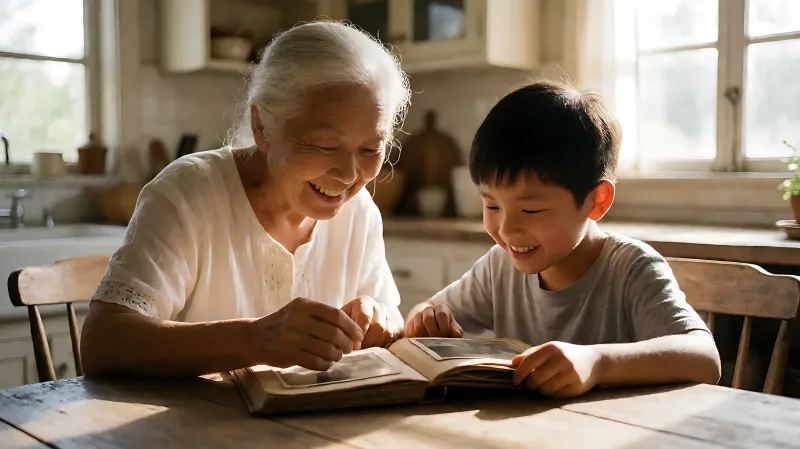
Bridging the gap between generations is more than sentiment; it is a health necessity. Explore how structured exchange and simple daily habits reduce isolation for elders and shape positive views on aging for the young.
Intergenerational knowledge exchange strengthens family bonds and improves health by sharing skills and stories across age groups. In the United States, where over 55 million people are aged 65 and older, these interactions are vital to combat social isolation. Recent data suggests that regular connection reduces depression in seniors and decreases ageist attitudes in children, creating a healthier community for everyone.
Why does the gap between generations widen today?
Modern lifestyles have created a phenomenon known as age segregation. Older adults are increasingly separated from younger generations due to geographic distance and the decline of multi-generational households. This separation leads to a lack of shared leisure activities, which can foster negative beliefs about aging, often referred to as ageism. When children do not interact regularly with elders, they may develop stereotypes that view old age as a time of limitation rather than wisdom. Simultaneously, older adults face increased risks of cognitive decline and cardiovascular disease when their social networks shrink. The Centers for Disease Control and Prevention highlights that this isolation is a public health concern that requires proactive engagement.
How do children benefit from regular contact with elders?
Young people who maintain active relationships with grandparents gain critical social skills that are difficult to learn in age-restricted school settings. These interactions teach children how to navigate conversations with different worldviews, fostering empathy and patience. Furthermore, exposure to lived experiences helps children understand that technology is not the only way to solve problems or create meaning. Research indicates that such exchanges build a nurturing learning environment that complements rigid educational systems, allowing for diverse perspectives on sustainability and daily life.
What are the proven benefits for older adults?
For seniors, exchanging knowledge and skills provides a sense of purpose and agency. When younger family members seek their advice or learn a trade from them, older adults feel valued as experts rather than just dependents. This shift in dynamic directly combats the feeling of social isolation. Clinical studies have shown that structured intergenerational programs can lead to measurable health improvements. For instance, participants in therapeutic activities often report lower scores on depression scales and improved physical agility, proving that social engagement is a key component of healthy aging.
How can families bridge the language and culture gap?
Barriers to communication often stem from different eras, cultural norms, or even language differences. Grandparents and grandchildren may find it challenging to relate when values differ or when older relatives are perceived as resistant to change. However, these friction points can become opportunities for growth. Instead of viewing disagreements as disrespectful, families can create safe spaces where both sides listen to understand rather than to respond. Sharing stories about personal history helps grandchildren see their roots, while grandparents learn about the modern technological landscapes their family navigates daily.
What activities effectively bridge the generation gap?
You do not need expensive outings to foster connection. Simple, low-stakes activities that allow for conversation are often the most effective. Consider the following approaches to start exchanging knowledge:
- Collaborative Cooking: Prepare a family recipe together. Writing it down by hand creates a tangible heirloom and teaches practical skills.
- Storytelling Sessions: Encourage grandparents to narrate their childhood experiences. This helps grandchildren visualize historical contexts and learn from past mistakes.
- Virtual Book Clubs: If distance is a barrier, schedule regular video calls to discuss books. This maintains a routine of interaction and shared intellectual pursuit.
- Scavenger Hunts: Create a list of items to find in the yard or house. This physical activity benefits motor skills and requires teamwork.
- Pen Pal Letters: Handwritten notes remain powerful in a digital age. They reinforce penmanship for children and provide a thoughtful way for elders to express affection.
Are structured programs better than casual hangouts?
While casual hangouts are valuable, structured programs can target specific goals, such as physical health or emotional wellbeing. Occupational therapists have designed curricula that combine exercise with relationship building. For example, a 'Grandpa and Me' style program might include balance exercises where a child coaches their grandparent. This reciprocal teaching dynamic empowers the child as a helper and the grandparent as a learner. Such structured sessions have shown significant improvements in motor proficiency for children and reduced fall risks for older adults.
How do barriers to interaction affect the exchange?
Even within families, interaction can be hindered by ideological differences. Younger generations may view older cultural norms as outdated, while elders may perceive challenges to their views as a lack of respect. This can lead to avoidance, where family members steer clear of deep conversations to prevent conflict. To overcome this, it is essential to approach differences with curiosity. Viewing an ideological gap as a chance to learn about a different timeline, rather than a flaw in the other person, keeps the channel of communication open. Additionally, the simple act of living in smaller family units means that physical proximity is no longer guaranteed, making intentional scheduling of time together crucial.
What role does technology play in modern exchange?
Technology is both a bridge and a barrier. While apps allow family members to stay connected across miles, they can also replace face-to-face interaction with passive digital presence. Older adults may struggle with new platforms, which can cause frustration. Intergenerational exchange should include tech training where grandchildren teach grandparents how to use new tools. This skill transfer validates the younger generation's expertise and keeps the older adult engaged with the digital world. It also reminds children that there is wisdom in analog life that screens cannot capture.
FAQ
What is intergenerational knowledge exchange?
Intergenerational knowledge exchange is the mutual transfer of skills, stories, and experiences between people of different ages. It is not limited to formal education but includes casual family interactions, where both elders and youth gain new perspectives and social skills.
How can grandparents with limited mobility participate in activities?
Many activities can be adapted for limited mobility. Seated games, storytelling, recipe discussion, and letter writing are excellent options. The focus should remain on social connection and cognitive engagement rather than physical exertion, ensuring the experience is comfortable for everyone involved.
Does exchanging knowledge with grandparents improve physical health?
Yes, particularly in structured settings. Studies show that joint physical activities can improve balance and motor skills in older adults. For children, it enhances gross motor proficiency. The social interaction also boosts mental health, reducing symptoms of depression and anxiety for both parties.
What if we have a long-distance relationship?
Distance does not have to stop the exchange. Utilize video calls for shared activities like reading or face-to-face conversation. Mail handwritten letters or cards regularly. The key is consistency and intentionality, ensuring that the bond is maintained despite the lack of physical proximity.