Intergenerational Friendship Initiatives: Benefits and Ideas
Bridging the age gap fosters empathy and health. Explore seven practical initiatives that connect seniors and youth through shared learning, creativity, and community service.
Intergenerational friendship initiatives bridge the gap between seniors and youth through shared activities like mentoring, gardening, and artistic workshops. These connections reduce loneliness, improve mental well-being, and foster mutual respect. In 2026, organized community programs are proving that cross-age social bonds are essential for a healthier, more cohesive society.
Why bridge the generation gap today?
Modern social trends have often segregated age groups, leading to increased isolation among seniors and a lack of empathy across generations. As highlighted by NTUC Health, evolving family structures mean many older adults live alone, while younger adults face high work demands. This shift weakens community ties. Intergenerational initiatives counter this by creating intentional spaces where older and younger people interact. These relationships are not just social; they are proven to reduce despair and improve physical health. By engaging in joint activities, participants challenge stereotypes and build genuine connections.
What are the core goals of these programs?
Organizations like GénérActions focus on engaging older adults and youth in reciprocal learning. The primary objective is to recognize the benefits of intergenerational ties. This involves establishing shared spaces in public facilities where regular interaction can occur. The goal is to move beyond passive co-existence to active collaboration. This ensures that seniors are seen as valuable knowledge holders and youth are viewed as digital and cultural guides.
How do collaborative workshops strengthen community ties?
Joint learning sessions allow participants to teach one another. For instance, a digital literacy initiative might pair seniors with young tech enthusiasts. The youth help seniors navigate modern apps and virtual communication tools. In return, seniors share traditional crafts, storytelling, or historical insights. This reciprocal exchange integrates older adults into the digital society. Meanwhile, younger participants gain access to skills and wisdom that are often lost in fast-paced modern life. These workshops can be supported through local funding portals, which help cover equipment and venue costs.
What role do regular conversation nights play?
Structured social events, such as intergenerational conversation evenings, foster deep personal bonds. Participants discuss topics ranging from past events to current social issues. Seniors share life experiences and memories, providing context for younger generations. Youth, in turn, share perspectives on modern challenges and aspirations. These regular gatherings encourage mutual respect and reduce social isolation. They provide a safe environment for open dialogue, helping to bridge the communication styles that often differ between age groups.
Can shared spaces like gardens build lasting connections?
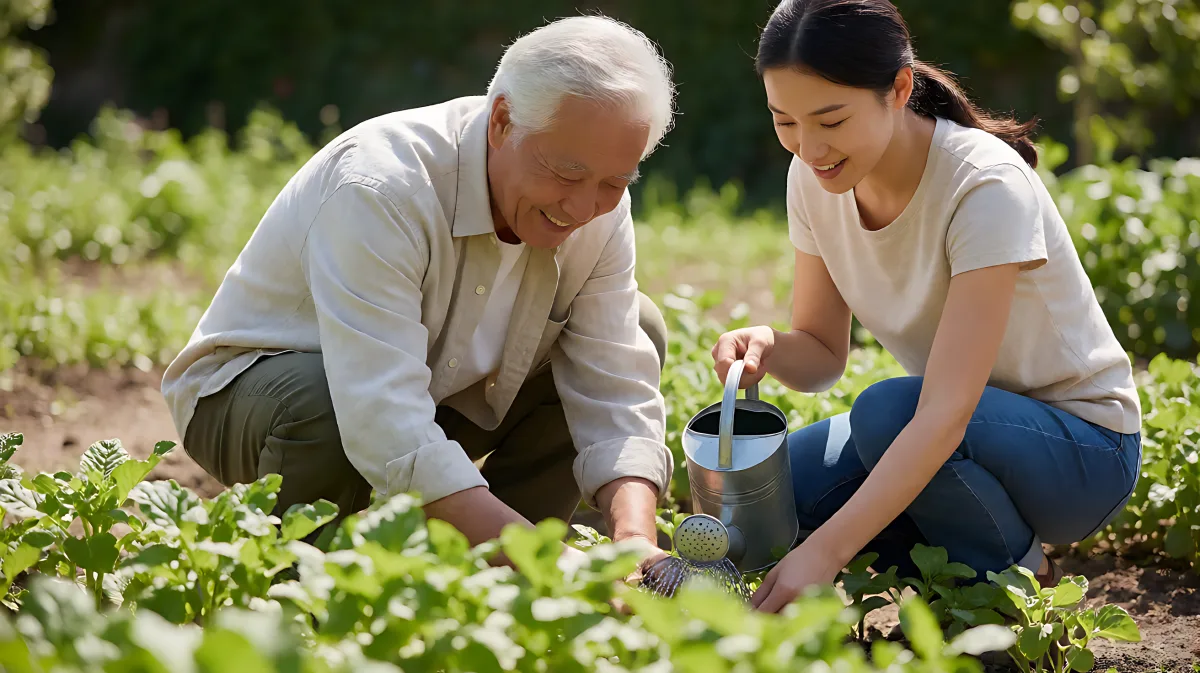
Community gardens are a powerful physical anchor for intergenerational friendship. Seniors and youth work side-by-side to plant, grow, and maintain vegetables and flowers. The physical maintenance of the garden is often handled by younger volunteers. However, seniors contribute essential knowledge about planting techniques and plant care. This shared labor promotes healthy lifestyles and cooperation. The tangible results, such as fresh produce, provide a long-lasting reward for the effort. Budgeting for supplies and tools is a common need, often supported by community fundraising initiatives.
How does cultural exchange enrich participants?
Cultural exchange projects focus on sharing eras, traditions, and lifestyles. Younger participants help seniors understand virtual worlds and new technologies. Older participants teach the younger group about historical contexts and traditional customs. This two-way street of learning fosters cultural enrichment for everyone involved. It challenges the assumption that older generations are resistant to change and that younger generations lack depth. These initiatives often require resources for technical equipment and venue rentals to be successful.
How do volunteering and sports programs impact health?
Volunteering is a direct route to intergenerational bonding. Young people can visit seniors, assist with daily chores, or simply listen to their stories. This service develops social responsibility and empathy in youth. Simultaneously, it combats loneliness in seniors. To support this, organizations often fund training and transport for volunteers. Sports programs offer another avenue for connection. Joint activities like yoga, Nordic walking, or light games allow participants to spend time in fresh air. These physical activities improve health and strengthen the emotional bond through shared movement and teamwork.
Why are art workshops effective for connection?
Creative arts provide a non-verbal channel for expression and connection. Joint workshops in painting, ceramics, or embroidery allow participants to collaborate on artistic projects. The shared creative process encourages mutual understanding and emotional bonding. Seniors and youth learn new techniques from each other, breaking down hierarchical barriers. Funding for art supplies and space is often a key requirement for these programs. These initiatives highlight that creativity is a universal language that transcends age differences.
What challenges must be overcome for success?
Despite the benefits, intergenerational friendships face specific hurdles. Communication style differences are a primary challenge. Varying social norms and habits can lead to misunderstandings. Stereotypes also pose a barrier; younger individuals may view seniors as outdated, while seniors may perceive youth as distracted. Overcoming these requires intentional facilitation and regular, positive interaction. Programs must be designed to highlight shared interests rather than just age differences. Policy support is also needed to remove regulatory barriers to intergenerational shared spaces.
How can communities get started?
Communities can initiate these programs by identifying local needs and resources. Partnering with established networks helps in building awareness and securing funding. It is important to create a supportive environment where both age groups feel valued. Regular assessment of program impact ensures that the initiatives are meeting their goals of reducing isolation and improving well-being. By committing to these efforts, societies can build a more empathetic and inclusive future.
Frequently Asked Questions
What are the measurable benefits of intergenerational friendship?
Research indicates that intergenerational programs reduce loneliness and improve physical and social health. They also foster empathy, reduce stereotypes, and create a sense of purpose for seniors. Youth benefit by gaining mentorship, life skills, and a stronger sense of community belonging.
How can I fund an intergenerational initiative in my local area?
Many local support portals and community funds allow organizations to raise money for specific projects. You can apply for grants to cover costs like venue rental, equipment, and supplies. Partnering with existing community groups can also provide in-kind support and volunteer resources.
Are there specific regulations for shared intergenerational spaces?
Regulations vary by region, but many organizations work with policy makers to remove barriers. The goal is to designate public facilities as shared spaces for all ages. This ensures safety, accessibility, and inclusivity for both seniors and youth.
Can these friendships form naturally without organized programs?
While natural friendships can form through family or workplace interactions, organized programs are more effective at scaling these connections. Structured initiatives ensure regular interaction and provide the resources needed to sustain long-term relationships. They also actively work to break down social barriers that might prevent spontaneous cross-age friendship.
What is the role of technology in these initiatives?
Technology serves a dual role. It is a subject of learning, with youth teaching seniors digital skills. It is also a tool for maintaining connections, especially for those who are geographically distant. Video calls and digital platforms can extend the reach of local programs and keep participants engaged between in-person meetings.