Indoor Air Quality and Elderly Cognition: What You Need to Know
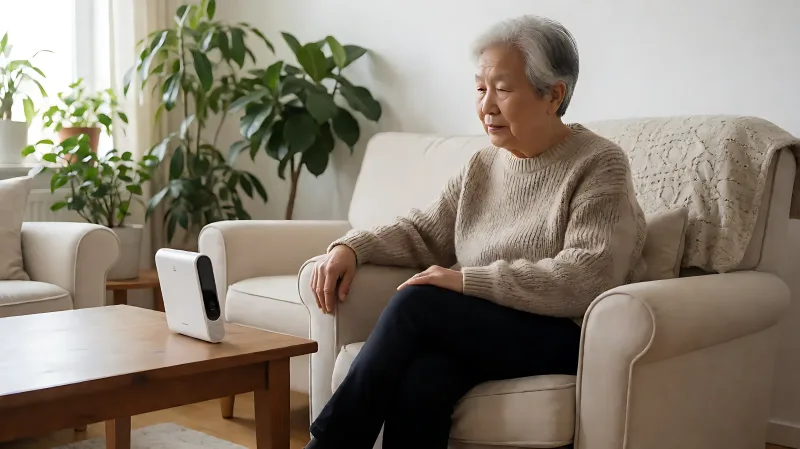
Poor indoor air quality can accelerate cognitive decline in older adults. This guide explains the link between pollutants and brain health, offering actionable steps to create a safer living environment.
Indoor air pollutants, specifically fine particulate matter and high carbon dioxide levels, directly impair cognitive function in older adults. Research from Harvard University indicates that for every 10 micrograms per cubic meter increase in indoor PM2.5, processing speed decreases by 0.8 to 0.9 percent. For seniors, maintaining fresh air is not just a comfort issue but a critical component of brain health and mental clarity.
Why Does Indoor Air Quality Matter for Brain Health?
The brain is an organ that demands a steady supply of clean oxygen and low-toxin circulation. When the air inside a home is stagnant or polluted, the delicate processes required for memory and decision-making are disrupted. The World Health Organization notes that approximately 14.75 percent of adults aged 70 and over live with a mental disorder, a statistic exacerbated by environmental factors. Older adults are particularly vulnerable because their lungs and cardiovascular systems are less efficient at filtering out harmful particles. Consequently, these pollutants can enter the bloodstream and reach the brain, triggering neuroinflammation and accelerating cognitive decline.
It is not just outdoor smog that affects the home. Everyday activities like cooking with gas stoves, smoking indoors, or using chemical-cleaners release volatile organic compounds and particulate matter. These pollutants accumulate in poorly ventilated spaces, creating a toxic cocktail that strains the body. For residents of assisted living facilities or independent homes, the risk is heightened if ventilation systems are outdated or non-functional.
How Do PM2.5 and CO2 Levels Affect Cognitive Function?
Recent studies have quantified the impact of specific airborne pollutants on mental performance. A major multinational study led by the Harvard T.H. Chan School of Public Health examined the link between real-time indoor air measurements and cognitive tests. The findings were clear: higher concentrations of carbon dioxide, which serve as a proxy for poor ventilation, significantly slowed response times.
Specifically, for every 500 parts per million increase in CO2 levels, task throughput dropped by 2.1 to 2.4 percent. While these percentages may seem small, they represent a measurable decrease in the ability to process information, stay alert, and maintain focus over long periods. For older adults, this subtle shift can manifest as increased fatigue, difficulty concentrating on conversations, or a general sense of fogginess. Furthermore, the study found no safe threshold for low ventilation, suggesting that even moderate increases in stale air have negative effects on brain function.
What Role Do Social Stressors Play in the Home?
Physical air quality does not exist in a vacuum; it interacts with the social environment of the home. Research published in the journal Social Science & Medicine highlights that neighborhood social stress, such as living in areas with high disorder or economic disadvantage, amplifies the negative effects of air pollution on cognitive function. When older adults live in stressful environments, their body’s tolerance for environmental toxins decreases. This means that a person living in a high-stress neighborhood may suffer greater cognitive damage from the same level of PM2.5 exposure compared to someone in a calmer, more supportive community.
Inside the home, isolation and loneliness act as similar stressors. The World Health Organization identifies social isolation as a key risk factor for mental health conditions in later life. A cluttered, poorly ventilated home that is rarely visited by family or friends creates a perfect storm for cognitive decline. The stress of isolation elevates cortisol levels, which, combined with poor air quality, further taxes the brain. Therefore, addressing air quality must be paired with social engagement and environmental safety to see full benefits for mental health.
How Can You Improve the Air in an Older Adult’s Home?
Improving indoor air quality requires a multi-pronged approach that combines technology, behavior, and design. The goal is to dilute pollutants and prevent new ones from entering the living space. Here are specific strategies supported by current health guidelines:
- Enhance Ventilation: Increase the exchange of indoor and outdoor air. This can be done by opening windows for cross-ventilation or installing heat recovery ventilation systems. The Harvard study emphasizes that higher ventilation rates are a critical public health strategy.
- Use HEPA Filtration: High-efficiency particulate air filters can remove 99.97 percent of fine particles, including PM2.5. Placing a high-quality air purifier in the room where the senior spends the most time, such as the bedroom or living room, can significantly reduce exposure.
- Reduce Indoor Sources: Switch from gas to electric cooktops, avoid synthetic fragrances and harsh cleaning agents, and prohibit smoking indoors. Minimizing the source of pollutants is more effective than trying to clean them up afterward.
- Monitor Air Quality: Use affordable digital monitors to track PM2.5 and CO2 levels in real time. This allows residents and caregivers to take immediate action, such as turning on fans or opening windows, when levels spike.
- Declutter and Organize: While not directly related to air filtration, reducing visual and physical clutter can lower psychological stress. A calmer environment supports better mental health and reduces the physiological strain of living in a chaotic space.
For those in long-term care facilities, family members should advocate for updated air filtration systems and regular maintenance of HVAC units. The review of residential environments for older persons highlights that all-private room units often provide better privacy and autonomy, which can be linked to lower stress levels. However, even in private rooms, central air systems can circulate allergens if not maintained properly.
What Is the Long-Term Impact of Chronic Exposure?
Long-term exposure to poor indoor air quality is linked to a higher risk of developing dementia and other neurodegenerative diseases. The cumulative effect of daily low-level exposure to toxicants can lead to persistent neuroinflammation. This chronic stress on the brain cells impairs their ability to repair and function efficiently. As the global population ages, with one in six people expected to be 60 or over by 2030, protecting the living environments of older adults becomes a major public health priority. The synergy between social support, mental health care, and clean air is essential for healthy aging.
Frequently Asked Questions
Can opening windows always improve air quality?
Not always. If you live in a highly polluted urban area or near a busy highway, opening windows can bring in more outdoor PM2.5 and ozone. It is best to check local air quality indexes before opening windows. During poor outdoor days, keep windows closed and use mechanical ventilation or air purifiers instead.
How often should I change the air filter in my HVAC system?
For standard HVAC systems, filters should be checked monthly and replaced every 90 days, or more frequently if the resident has asthma, allergies, or uses chemical products at home. High-quality HEPA filters may last longer, but regular inspection is crucial to ensure the system is not recirculating dust and allergens.
Do houseplants help clean the air enough to matter?
Houseplants do absorb some volatile organic compounds, but the quantity is negligible compared to the volume of air in a room. They can improve mental well-being and reduce stress, which is beneficial, but they should not be relied upon as a primary method for removing fine particulate matter or carbon dioxide.
What is a safe indoor CO2 level?
Indoor CO2 levels between 700 and 1,000 parts per million are generally considered acceptable for short periods. However, levels above 1,000 ppm can start to affect attention and decision-making. For optimal cognitive function, especially for older adults, it is better to keep levels below 700 ppm by ensuring adequate ventilation and fresh air exchange.