Write a Legacy Letter Your Kids Will Read
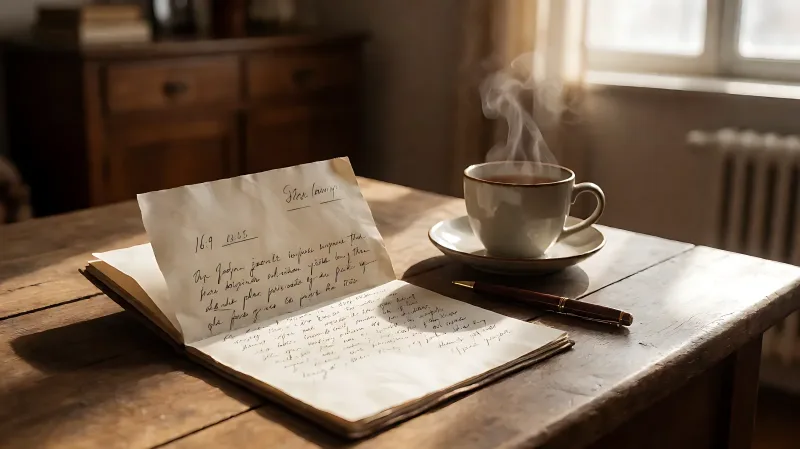
A legacy letter is more than a document; it is a voice that lasts. Learn practical steps to craft a message that adult children will read, value, and keep forever.
A legacy letter is a non-legal document that preserves your values, stories, and voice for loved ones. To ensure adult children read it, keep the tone conversational, include specific anecdotes rather than abstract advice, and store it in a secure, accessible location. Research suggests that personal narratives create stronger emotional connections than generic instructions, making the letter a lasting guide for their lives.
Why Do Adult Children Ignore Standard Legacy Letters?
Many traditional legacy letters fail because they read like legal summaries or broad spiritual platitudes. Adult children, who are often juggling careers and their own families, need content that feels immediately relevant and personally resonant. A study published in Psychological Science by researchers from the Center for Research on Environmental Decisions found that people are more motivated by the desire to leave a positive legacy when they can visualize the specific impact of their actions on future generations. This principle applies to letters: if your children can see themselves in the stories you tell, they are more likely to engage with the message. Avoid writing a memoir of your entire life. Instead, focus on the 'why' behind your decisions and the core principles you want them to carry forward.
What Makes a Legacy Letter Feel Real?
The key is specificity. Instead of saying 'be kind,' describe a specific time when kindness solved a problem or how you handled a failure. According to recent consumer trends in digital estate planning, families are moving away from paper-only storage towards digital vaults that can include audio or video files. This multimodal approach helps bridge the gap between text and emotion. When your children hear your voice or see your face in a video, the letter becomes a living document rather than a static piece of paper.
How Should You Structure the Letter?
A well-structured legacy letter guides the reader through your life without overwhelming them. You do not need to follow a rigid academic format, but a few logical anchors help maintain interest.
- Personal Greeting: Start with names or nicknames that establish intimacy. This immediately signals that the letter is directed specifically at them, not a generic family group.
- The Hook: Share a short, vivid story from your childhood or early adulthood that sets the tone for your values. For example, a memory about a family hardship that taught you resilience.
- Core Values: Connect the story to a principle. Explain why this value matters to you and how you applied it in your life.
- Regrets and Apologies: If appropriate, frame regrets as lessons. This honesty builds trust and shows that the letter is a genuine reflection, not just praise.
- Practical Wisdom: Offer advice on money, health, or relationships, but keep it brief. Link it to your personal experience.
- The Blessing: End with a clear statement of love and hope for their future. This provides emotional closure.
What Length Is Best?
Research on consumer engagement suggests that readability decreases sharply when documents exceed a certain length. A single letter between 500 and 1,500 words is often the sweet spot. If you have more to say, consider writing a series of shorter letters on specific topics, such as 'About Money' or 'About Family.' This allows readers to dip in and out at their own pace. Short paragraphs and concrete details make the text easier to scan, which is crucial for busy adults.
What Prompts Help You Get Started?
Writer's block is common when tackling a legacy letter. Specific prompts can unlock memories and structure your thoughts. You can use these questions as a guide:
- "The day I learned the most about love was when..."
- "If I could give you one piece of practical advice about adulthood, it would be..."
- "One mistake I made that taught me something valuable was..."
- "I hope you always remember that..."
These prompts encourage you to move away from abstract concepts and into the realm of experience. They help your children understand not just what you think, but who you are. For instance, instead of saying 'be independent,' you might share a story about a time you had to figure out a difficult problem alone and how that feeling of accomplishment shaped your view on self-reliance.
Should You Include Practical Information?
Yes, but keep it separate from the emotional core. Many people mix their will details with their legacy letter, which can bury the emotional message under logistical facts. It is better to keep the legacy letter focused on voice and values. Use a separate document for legal and financial instructions. However, you can include a brief note on where to find important documents or who to contact for questions. This practical touch shows care and consideration, making the letter more useful in a crisis.
How Can You Ensure They Actually Read It?
The best letter is useless if it is lost or hidden. You must think about accessibility. Consider using a digital legacy vault service. Companies like LetterForLater or Digital Legacy Vault offer secure platforms where you can store letters, videos, and documents, and designate when and how they are released. This ensures that your children can access the content at the right time, even if they are geographically distant. Additionally, you can create a 'preview' document that lists the topics covered in your legacy letters. This acts as a table of contents, inviting them to explore specific areas that interest them most.
Another strategy is to invite them to co-create the memory. If you are healthy, record a video where you talk through the prompts above. Send them a clip now, so they hear your voice before the letter is delivered after your passing. This pre-exposure makes the future letter less daunting and more familiar. They are not receiving a mystery document; they are receiving a conversation they have already started.
What Are Common Mistakes to Avoid?
One major mistake is being too abstract. Grand statements like 'be good' are easy to ignore. Instead, define what 'good' looks like to you through examples. Another error is neglecting tone. A legacy letter should be gentle, even when discussing difficult topics. Blame and criticism can cause the reader to shut down. Frame all feedback with love. Remember that they are adults now, and your goal is to offer a gift, not to issue final instructions. The letter should feel like a hug, not a lecture.
Finally, do not wait for a crisis to write. Writing while you are healthy allows you to articulate your thoughts clearly and without the pressure of immediate loss. It also allows you to update the letter as your values evolve. A legacy letter is a living document that reflects your current perspective. Revisit it every few years to ensure it still represents who you are and what you believe.
How Do You Preserve the Letter Safely?
Digital preservation has become the standard for modern legacy planning. Cloud-based services offer backup and redundancy that physical storage cannot match. When choosing a service, look for one that allows you to schedule release dates or trigger events. You might want the letter to be released immediately, or perhaps on a specific anniversary. Some services allow you to add audio recordings, which can be particularly moving for recipients. Ensure that you have shared your login credentials or access instructions with a trusted family member or legal representative in case you are unable to manage the account.
The physical act of writing or recording is also therapeutic. It forces you to organize your life's narrative. Many writers report that the process helps them resolve unresolved feelings and clarify their priorities. This internal benefit is just as important as the external outcome. You are not just leaving a document; you are leaving a piece of yourself that can guide and comfort your children for decades.
What If Your Children Are Younger?
If your children are not yet adults, the approach differs slightly. You may need to tailor the language to their age or write a series of letters that they receive at key milestones, such as their graduation or wedding. For a retired teacher, for example, a user of a legacy planning service recorded short audio notes for each grandchild, pairing them with written summaries. These small, timed messages became cherished gifts on significant days, making the memories feel immediate. You can adapt this by writing a 'first letter' for when they turn 18, and subsequent letters for other life events.
Frequently Asked Questions
Is a legacy letter legally binding?
No, a legacy letter is not a legal document. It does not distribute assets or appoint guardians. It is an ethical will that focuses on values, memories, and advice. You should still have a formal will and estate plan handled by a lawyer. The legacy letter complements the legal documents by providing the context and heart behind your choices.
How long does it take to write a good legacy letter?
There is no fixed timeline. Some people write in a single sitting, while others take weeks. The important thing is that you take your time to reflect. A rushed letter may feel inauthentic. Aim for quality over speed. If you are working with a family, you might share drafts with a spouse for feedback, though the final content should remain personal to you.
Can I include photos in a digital legacy letter?
Yes, most digital legacy platforms allow you to attach media files. Including a photograph of a happy moment mentioned in the letter can significantly enhance the emotional impact. Visuals serve as anchors for memory, making the story more vivid and easier to recall. This multimodal approach helps ensure the letter resonates with readers who have different communication preferences.
What if I have a complex family situation?
Complexity does not mean you cannot write a legacy letter. In fact, it may be more important. You can write separate letters to different family members to address their specific relationships with you. This allows you to tailor the message to each person's unique bond with you. Be mindful of tone to avoid creating new conflicts. If in doubt, consult with a family therapist or mediator who can help you navigate sensitive topics.