Home Energy Monitoring for the Elderly
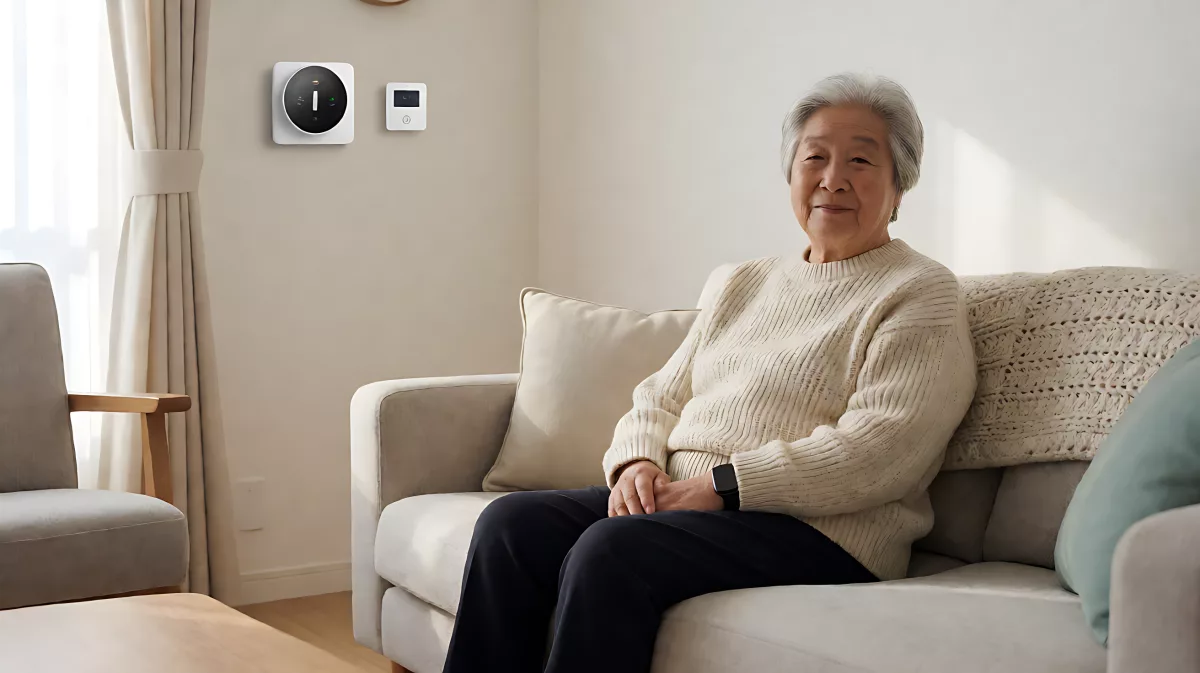
Balancing safety and cost, home energy monitoring offers a discreet way to check on aging loved ones. Learn how AI sensors and wearable tech create a safer, efficient home.
Home energy monitoring for elderly individuals combines smart safety devices and AI-driven utility trackers to support independent living. These systems track usage patterns, detect unusual activity, and help families manage bills without invasive cameras. By integrating personal alarms with energy data, seniors can live alone with greater confidence and lower household costs.
Why Monitor Home Energy for Seniors?
As people age, maintaining a safe and efficient home becomes a priority. Energy monitoring serves two main purposes: identifying utility waste and acting as a passive safety net. Unusual spikes or drops in power usage can alert family members to potential issues, such as a heater left on or a medical emergency, without requiring constant video surveillance.
How Can Smart Sensors Detect Anomalies?
Modern AI-powered sensors analyze electrical loads to identify specific appliance usage. For example, a sudden lack of activity in the kitchen at breakfast time or an abnormal increase in heat draw can trigger notifications. These systems often run on-device, meaning they continue to function even if the internet is down, providing reliable local monitoring.
Choosing the Right Safety Devices
While energy monitors track the house, personal alarms track the person. In the UK, providers like Taking Care offer Trading Standards-approved alarms that link to a 24-hour response team. These devices are essential for elderly users who need immediate help if a fall occurs.
- Digital Personal Alarms: Basic units for home use that allow speaking through a base station.
- Fall Detection Alarms: Automatic systems that sense a fall and alert emergency teams without the user pressing a button.
- GPS Trackers: Devices that share location data for those who go out and about, including specialized watches for dementia support.
What Are the Costs of These Systems?
Costs vary by region and provider. In the UK, digital personal alarms from Taking Care start at £69.99 for setup, with monthly fees ranging from £24.49 to £31.49 depending on the model. Most customers may qualify for VAT exemption. In the US, similar telecare services often involve monthly subscriptions of $30 to $50. Energy sensors, like the Visiwatt AI sensor, can be pre-ordered for a reduced price of $75, which includes the app and updates for free.
Integrating AI and Wearable Technology
Newer technologies are moving toward non-invasive, energy-efficient monitoring. A 2026 study by researchers Much and colleagues proposed a watch-type wearable that uses Sigfox IoT services to monitor vital signs and location. This device is designed for a 30-day battery life, making it practical for elderly users who need long-term tracking without frequent charging.
How Does On-Device AI Improve Monitoring?
Unlike traditional cloud-based systems, on-chip AI processes data directly on the sensor. This means appliance recognition and energy measurements happen locally. For seniors, this is beneficial because it reduces latency and protects privacy, as detailed electrical waveform data does not always need to be uploaded to the cloud. The system can identify ten built-in load categories, such as refrigerators or air conditioners, helping users understand exactly where their money goes.
Practical Setup and Installation
Implementing these systems requires a qualified electrician to install sensors into the electrical panel. This ensures safety and compliance with local building codes. The process typically involves three steps:
- Install the Sensor: A professional assesses the panel and places the hardware on a suitable phase.
- Connect to Wi-Fi: The sensor joins the home network, usually requiring a 2.4 GHz frequency.
- Configure the App: Users set up their tariff details and learn specific appliances using a guided recording process.
Is Installation Difficult for Older Adults?
Not at all. Since the installation is handled by a professional, the elderly user simply interacts with the app or their mobile device. The system is designed to be intuitive, showing live consumption and estimated costs. For those with limited digital literacy, family members can assist in the initial setup and configure alerts to be sent to their phones.
FAQ
Can energy monitors replace personal alarms?
No, they serve different functions. Energy monitors detect patterns in the house, while personal alarms detect physical incidents like falls. For comprehensive safety, most care providers recommend using both together.
Do I need a smart home hub to use these sensors?
Not necessarily. Most modern sensors, including those from Visiwatt, connect directly to your home Wi-Fi network. However, a qualified electrician is required to install the hardware into the panel.
How accurate are the energy readings?
Accuracy depends on the specific appliances and overlapping loads. While the system estimates costs by appliance category, it does not identify every individual device by brand. Users should check recognition results during the initial setup to ensure the system is learning the correct loads.
Are these devices battery-operated?
Wearable health monitors like the Sigfox-based study device are battery-operated with a 30-day lifespan. Panel-mounted energy sensors are mains-powered, so they require a constant electrical connection to function.