Home Care Fraud Red Flags: AARP Guide for Families
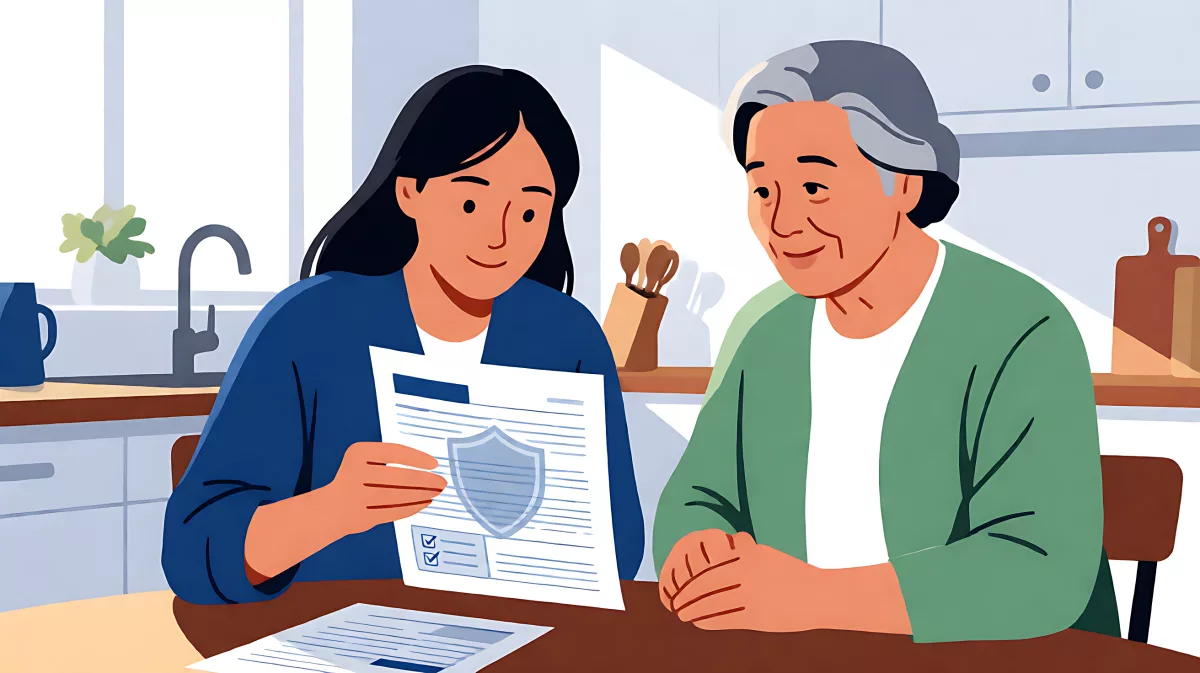
Home care fraud is a growing concern for families. Use AARP’s Fraud Watch Network insights to identify billing tricks, credential mismatches, and service manipulation that steal money and compromise safety.
Home care fraud often involves subtle billing errors, unverified credentials, and service manipulation that target vulnerable seniors. The AARP Fraud Watch Network advises families to audit invoices for duplicate charges, verify caregiver licensure through state registries, and monitor for sudden changes in care quality or billing amounts to prevent financial and physical harm.
What specific billing patterns indicate home care fraud?
Scammers often inflate services or bill for time not actually worked. The AARP Fraud Watch Network highlights that families should scrutinize itemized statements for "ghost shifts" where hours are recorded without corresponding care logs. Duplicate billing for the same date and time is a common technique used by dishonest agencies. If a caregiver is not present but the family is charged for their services, this is a clear sign of fraud. Families should cross-reference attendance sheets with invoices monthly.
How do I verify a caregiver's professional credentials?
Credential fraud is prevalent in the home health industry. Many scammers use forged licenses or claim to be registered nurses when they are merely companions. According to AARP guidelines, families must check state nursing boards to confirm active licensure. For personal care aides, verify certification through the state's registry of certified nursing assistants. A legitimate provider will willingly share their license number and insurance details. If a caregiver resists verification or cannot provide a valid employee identification number, stop services immediately and report the incident to local authorities.
Why is the absence of a written contract a major red flag?
Legitimate home care agencies operate under strict regulatory standards that require transparent service agreements. The AARP Fraud Watch Network notes that operations refusing to sign a detailed contract that outlines specific duties, hours, and rates are operating in the gray market of fraud. Without a written agreement, families have no legal basis to dispute excessive charges or demand accountability for substandard care. Ensure the contract specifies that the agency, not the individual worker, is responsible for all billing.
What role does the AARP Fraud Watch Network play in prevention?
The AARP Fraud Watch Network serves as a central resource for reporting and tracking elder financial abuse. It provides a dedicated map where users can log and view reported scams in their region. This data helps identify hotspots for home care scams. The network also partners with law enforcement and the FTC to share intelligence on emerging fraud tactics. By reporting suspected fraud to the AARP Fraud Watch Network, families contribute to a larger effort that helps shut down illegitimate care providers and protect the wider senior community.
When should I contact the FBI or local police?
While minor billing disputes may be resolved through agency management, systemic fraud requires legal intervention. The AARP advises contacting the FBI if you suspect a large-scale operation or identity theft involving government benefits. For local home care fraud, file a report with your state's Adult Protective Services agency. In the UK, similar reports go to the local council's safeguarding team or Action Against Elder Abuse. Prompt reporting helps agencies license or revoke the credentials of fraudulent providers before they harm more victims.
How can technology help detect care fraud in real time?
Modern home care solutions increasingly use digital check-in systems. The AARP suggests that families use GPS-enabled care apps that log arrival and departure times automatically. This removes the possibility of manual falsification of hours. If a caregiver claims to have spent eight hours at the home but the digital log shows only two, the discrepancy is immediate evidence of fraud. Additionally, review bank statements for unexpected withdrawals or transfers to the caregiver's personal account. Legitimate providers only accept payments to the agency's official account, never to individual workers via personal checks or cash.
What are the signs of financial exploitation by a caregiver?
Financial exploitation is a form of fraud where the caregiver steals assets directly. Look for unexplained large withdrawals, missing personal items, or sudden changes in the senior's will or power of attorney documents. The AARP Fraud Watch Network highlights that caregivers who isolate the senior from family and friends are often attempting to hide their exploitation. If a family member notices that the senior is unaware of their own financial situation or is being pressured to give money to the caregiver, it is a critical sign of abuse that requires immediate legal and protective action.
How do families in the UK report home care scams?
For UK residents, reporting channels differ from the US. Families should report suspected fraud to their local authority's adult social care department or contact Action Against Elder Abuse for guidance. In England, the Care Quality Commission regulates care services, and complaints about unregistered providers can be filed there. In Scotland, Wales, and Northern Ireland, specific safeguarding teams handle these reports. Always document all interactions and keep copies of bills and contracts as evidence for local police or social services.
FAQ
Is it legal for a home care agency to ask for cash payments?
Yes, it is common for home care agencies to accept cash payments, provided they issue a receipt and maintain accurate records. However, the payment should ideally be for a specific week or month of care. If a caregiver demands cash for extra services not in the contract or refuses to provide a receipt, this is a red flag for fraud. Always keep a log of all cash transactions and reconcile them with the service schedule.
What should I do if I find my parent signing up for a care service I did not approve?
This is a serious sign of potential financial exploitation or cognitive impairment. Immediately halt the service by contacting the provider in writing. Review the contract to see when it was signed and who authorized it. Contact your parent's primary care physician to assess their capacity to make legal decisions. The AARP recommends involving a trusted family member or legal guardian to take over financial decisions to prevent further fraud.
Can I get reimbursed if I discover fraud after paying?
Recovery of funds depends on the jurisdiction and the amount stolen. In many cases, small amounts are difficult to recover due to legal costs. However, filing a report with the AARP Fraud Watch Network and local police can sometimes lead to a restitution order against the perpetrator. Always document the loss with bank statements and correspondence. Some insurance policies, such as identity theft insurance, may cover losses from fraud, so review your coverage terms carefully.
How often should I audit my parent's care invoices?
The AARP recommends a monthly audit of all care invoices. This allows you to catch billing errors or duplicate charges early. Compare the invoice against the care schedule and attendance logs. If you notice a pattern of discrepancies over three months, it is likely systemic fraud rather than a clerical error. Regular auditing also builds a relationship of trust between the family and the care provider, which can deter fraudulent behavior.
Where can I find state-specific caregiver verification tools?
Most US states have online registries for Certified Nursing Assistants and Licensed Practical Nurses. These registries are free to access and allow you to check license status and history of disciplinary actions. In the UK, you can use the General Nursing Council register for nurses or the Care Quality Commission's register for agencies. These tools are essential for verifying that the individuals providing care are qualified and in good standing.