Social Security Security Questions For Seniors: Safe Answers
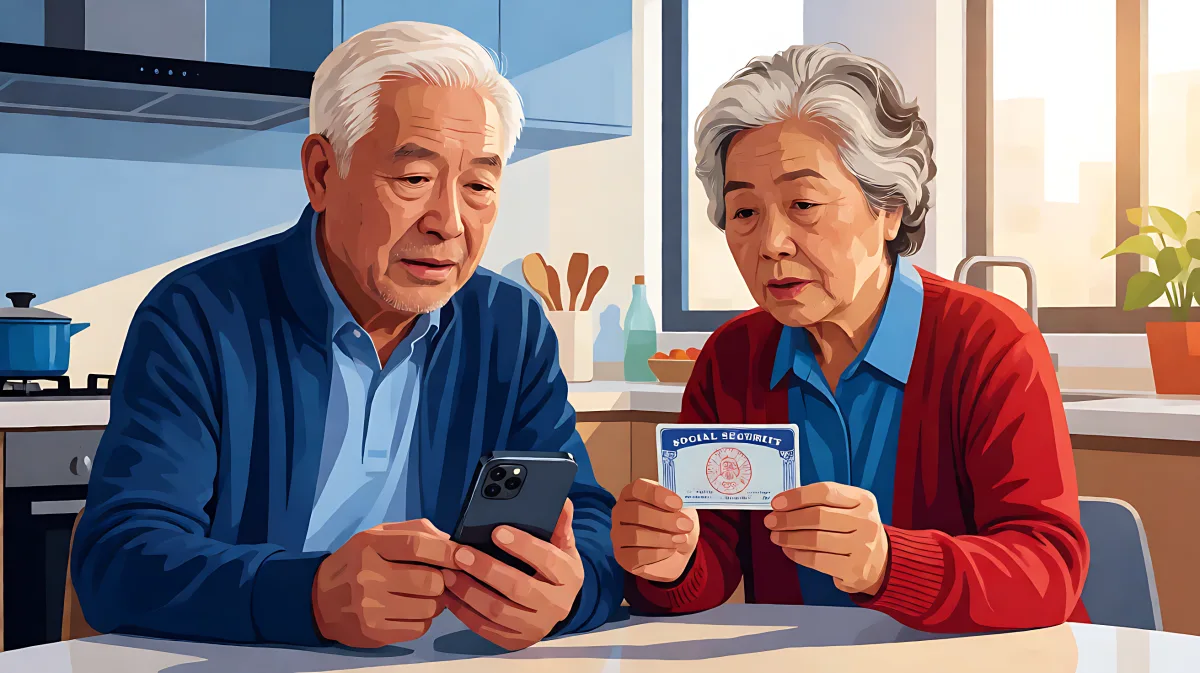
Social Security officials frequently call seniors with routine verification requests. Learn how to spot a legitimate inquiry, protect your personal data, and avoid common scams targeting retirees in 2026.
Social Security administration officials may call to verify personal details, but they will never ask for your full bank account number or request immediate payment via wire transfer. The U.S. Social Security Administration (SSA) clarifies that agents will not ask you to keep verification requests confidential or threaten immediate arrest if you do not comply. Protecting your identity involves knowing which data points are safe to share and which must remain private.
Which personal details can SSA agents ask for?
When a representative from the Social Security Administration contacts you, they may need to confirm basic identity markers to prevent fraud. According to AARP’s guidance on navigating Social Security services, legitimate agents might ask for your full name, address, and the last four digits of your Social Security number. They may also request your date of birth or a previous telephone number. However, these inquiries are usually routine checks or follow-ups on claims. The SSA emphasizes that these questions are meant to confirm that the person answering is the actual account holder, not to solicit new information for unverified applications.
What questions should make you stop immediately?
Scammers often exploit seniors by creating a sense of urgency. If a caller asks for your full Social Security number to a third party, your bank account details, or requests payment via gift cards or cryptocurrency, hang up immediately. The Federal Trade Commission (FTC) reports that identity theft involving seniors remains a critical concern, and fraudsters frequently mimic government agencies. AARP advises that you should never trust a caller who refuses to provide a callback number or asks you not to tell anyone else about the call. Legitimate government agencies do not operate in secrecy.
How can you verify the identity of a caller?
Do not rely on the name of the agent provided during the call. Instead, note the callback number if one is given, or dial the official SSA customer service line, 800-772-1213, yourself. The SSA website also offers a "My Social Security" portal where you can view your claim status and verify any pending inquiries. AARP recommends checking the SSA’s official contact details regularly, as phone numbers and URLs can be spoofed by criminals. In 2026, the SSA has enhanced its digital verification tools, allowing users to link their email and phone numbers securely to their profiles, reducing the need for phone-based verifications.
What is the "security question" myth?
Many families assume that security questions like "what is your mother’s maiden name?" are robust barriers against fraud. In fact, these details are often easily found through public records or social media and are insufficient for high-value account security. The SSA does not use "mother’s maiden name" as a primary verification factor for changing benefit addresses or payment methods. Relying on weak security questions is a common mistake that leaves seniors vulnerable to account takeover. Instead, focus on enabling two-factor authentication (2FA) on your digital account and monitoring your financial statements for unauthorized transactions.
- Enable Two-Factor Authentication: Log into your My Social Security account and add an authenticator app or text-message code verification. This adds a layer of security beyond your password.
- Monitor Your Credit: Place a credit freeze with the three major credit bureaus (Equifax, Experian, and TransUnion) to prevent new accounts from being opened in your name without your explicit consent.
- Review Statements Monthly: Check bank and pension statements for any debits you do not recognize. Report discrepancies to your financial institution immediately.
- Shred Sensitive Documents: Do not keep unused credit cards or old Social Security cards in your home. Shred them to prevent physical data recovery by thieves.
What steps should you take if you suspect fraud?
If you believe your Social Security number has been compromised or you have fallen for a scam, act quickly. The Identity Theft Resource Center provides a specific action plan for seniors. First, file a report with the FTC at IdentityTheft.gov. Second, contact the SSA directly to place a fraud alert on your record. Third, notify your bank and credit card issuers. AARP notes that the average cost of identity theft recovery for individuals over 60 is significantly higher than for younger adults, often requiring thousands of dollars in legal and administrative fees to resolve. Taking proactive steps in 2026, such as using digital payment methods that do not expose your SSN, can mitigate these risks.
Can you change your security questions proactively?
While the SSA uses its own internal verification protocols, you can strengthen your overall financial security by changing the security questions on your banking and email accounts. Choose questions that are not easily guessable and avoid using information that is publicly available, such as your birth year or street address. Diversify your security answers so that they are not linked to obvious personal details.
| Type of Question | Risk Level | Recommendation |
|---|---|---|
| Full SSN | High | Never share unless verifying with a known official via secure portal |
| Birth Date | Medium | Safe for basic identity confirmation, but use 2FA for sensitive changes |
| Bank Account Number | Critical | Never provide to phone callers; use direct deposit updates only |
Frequently Asked Questions
Will the SSA ever ask for a payment by phone?
No. The Social Security Administration will never request payment for benefits or claim fees via phone, wire transfer, or gift cards. All payments are deducted automatically from your bank account or direct deposit. If a caller demands immediate payment, it is a scam.
How often should I check my My Social Security account?
AARP experts recommend checking your account at least quarterly to ensure your mailing address and bank details are up to date. Reviewing your earnings record annually can also help identify any missing income that might affect your future retirement benefit estimates.
What should I do if I lost my Social Security card?
You should apply for a replacement card through the SSA’s online portal or local office. Only one free replacement card is issued per year. Keep the original card in a secure location, such as a safe, rather than in your wallet, to reduce the risk of it being stolen or photographed by thieves.
Are security questions on bank accounts safe?
They provide basic protection but are not foolproof. Criminals can often guess answers like "pet's name" or "first car." Use unique, non-public answers and ensure two-factor authentication is enabled on all financial accounts to add a stronger layer of defense.