Why Social Connection Is Essential for Health and Well-Being
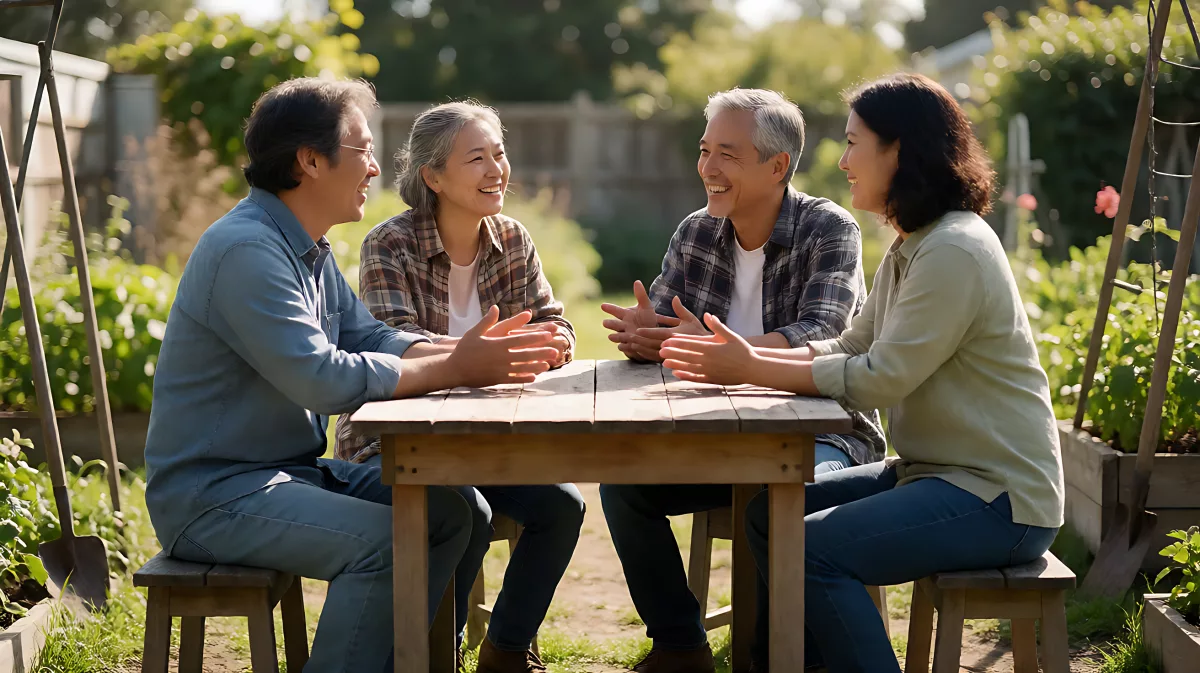
Social connection is more than a luxury; it is a biological necessity. This guide explores the 2026 evidence linking strong relationships to physical health, and offers practical steps to build a more connected life.
Social connection is a fundamental biological need, comparable to food and water, that significantly impacts both mental and physical health. In 2026, evidence from major health organizations confirms that chronic loneliness increases the risk of cardiovascular disease and all-cause mortality by up to 35 percent, while strong social ties act as a protective factor against anxiety, depression, and cognitive decline. Building these bonds is not just about making new friends; it is about cultivating a sense of belonging that sustains individual well-being and community resilience.
Why Social Connection Is a Biological Necessity
For decades, psychologists viewed social needs as secondary to physiological survival. Modern neuroscience has overturned this view. The human brain is wired for interaction. When we feel seen, heard, and valued, our bodies release oxytocin and endogenous opioids, which reduce stress hormones like cortisol. Conversely, when we feel isolated, the brain registers distress similar to physical pain. This response is not a metaphor; it is a measurable neurological event that triggers inflammation across the body.
Research highlighted in recent 2026 public health reports indicates that a lack of social connection is as detrimental to health as smoking 15 cigarettes a day. This "social immune system" protects us by reducing the inflammatory response that damages blood vessels and accelerates aging. By understanding connection as a health determinant, we shift the focus from individual responsibility to systemic support. Health care providers in the United States and the United Kingdom are now beginning to prescribe social prescriptions, connecting patients with community groups to address the root causes of poor health.
How Strong Ties Impact Physical and Mental Health
The benefits of social connection extend far beyond happiness. Data from the 2026 National Health Index shows that individuals with strong social networks report lower rates of hypertension, improved immune function, and a reduced risk of developing Alzheimer’s disease. The mental health benefits are equally profound. A sense of belonging acts as a buffer against the impact of life stressors, whether it is financial loss or bereavement. When people feel socially supported, they are more likely to engage in healthy behaviors, such as regular exercise and balanced nutrition, often facilitated by their social circles.
- Cardiovascular Health: Social isolation raises the risk of heart disease and stroke, potentially more than high cholesterol levels alone.
- Mental Resilience: Strong relationships provide a coping mechanism that lowers the incidence of depression and anxiety disorders.
- Cognitive Function: Regular social interaction challenges the brain, delaying cognitive decline in older adults.
- Immune System: Connected individuals show higher antibody response to vaccines and fight off infections more effectively.
Building a Community in a Digital Age
In 2026, the line between digital and physical connection has blurred. While social media can offer support, it often replaces deep engagement with passive consumption. To build genuine community, experts advise intentional in-person interactions. This does not require large-scale events. It begins with small, consistent actions: joining a local club, volunteering, or simply maintaining regular contact with neighbors. The Foundation for Social Connection, a leading US non-profit, advocates for a national shift in narrative, treating social connection as a public priority akin to physical infrastructure. Their 2026 reports emphasize that arts, culture, and leisure activities are not just hobbies, but essential tools for social health.
Practical Steps to Strengthen Your Social Fabric
Creating a more connected life requires active effort. You do not need to overhaul your entire social circle overnight. Start by identifying gaps in your current network. Do you have someone to talk to about serious matters? Do you have friends who share your hobbies? Use the "social audit" method: list your contacts and categorize them by level of closeness. Then, intentionally reach out to one person per week for a meaningful conversation that goes beyond small talk.
Consider joining a group that aligns with your interests. This could be a walking group, a book club, or a volunteer organization. Regularity is key. One-off interactions rarely build deep trust. Consistent, low-stakes interactions over months create the foundation for strong bonds. For those in rural areas or with mobility challenges, hybrid models work well, combining online groups with periodic local meetups. The goal is to move from acquaintanceship to camaraderie, where you feel genuinely supported and valued.
The Role of Policy and Public Investment
While individual actions matter, they are not enough to solve the crisis of loneliness. Governments and local authorities in the UK and US are beginning to fund community hubs that serve as third places, spaces that are neither home nor work. These spaces, such as libraries, community centers, and parks, are being redesigned to encourage lingering and interaction. The 2026 state of the US ecosystem map released by the Foundation for Social Connection highlights regions where such investments are most needed. By recognizing social connection as a civil right, policymakers can ensure that everyone, regardless of income or location, has access to community resources.
What Does Good Social Connection Look Like?
Good social connection is not about being popular. It is about depth. A few reliable relationships are more valuable than a hundred superficial ones. Look for signs of mutual care, trust, and the ability to be vulnerable without judgment. Brené Brown, a leading researcher in this field, defines connection as the energy that exists when people feel seen and can give and receive without fear. In 2026, the definition of a healthy society includes these invisible threads of trust that bind communities together.
How can I tell if my social connections are healthy?
Healthy connections are characterized by mutual respect, ease of communication, and a sense of safety. If you feel drained, judged, or unsupported after interacting with someone, the relationship may be toxic. Healthy ties make you feel energized and valued. It is normal for connections to evolve; sometimes, letting go of draining relationships is necessary to make space for supportive ones.
Is online friendship enough to prevent loneliness?
Online friendships can provide significant support, especially for those with limited mobility or in remote areas. However, they do not fully replace the biological benefits of in-person interaction, such as non-verbal cues and physical proximity. The best approach in 2026 is a hybrid model, using digital tools to maintain bonds and facilitate local meetups where possible.
What is the most effective way to build a new community?
Start with shared interests. It is easier to bond over a hobby or cause than through superficial small talk. Join local groups or online communities focused on topics you care about. Be consistent in your participation. Trust is built over time through repeated positive interactions. Over a period of six to twelve months, these casual interactions often deepen into genuine friendships.
How does social connection impact professional success?
Strong social networks increase job satisfaction and career resilience. Colleagues who feel connected are more likely to collaborate effectively and support one another during challenging projects. In 2026, many employers are recognizing this, investing in team-building and culture programs that prioritize human connection as a driver of productivity and retention.
Can social connection be learned as a skill?
Yes. While some people are naturally more outgoing, the skills of empathy, active listening, and vulnerability are trainable. Many 2026 wellness programs now include social skills workshops. By practicing these skills, anyone can improve their ability to form and maintain meaningful relationships.