Gut Microbiome and Cognitive Preservation: What Science Says
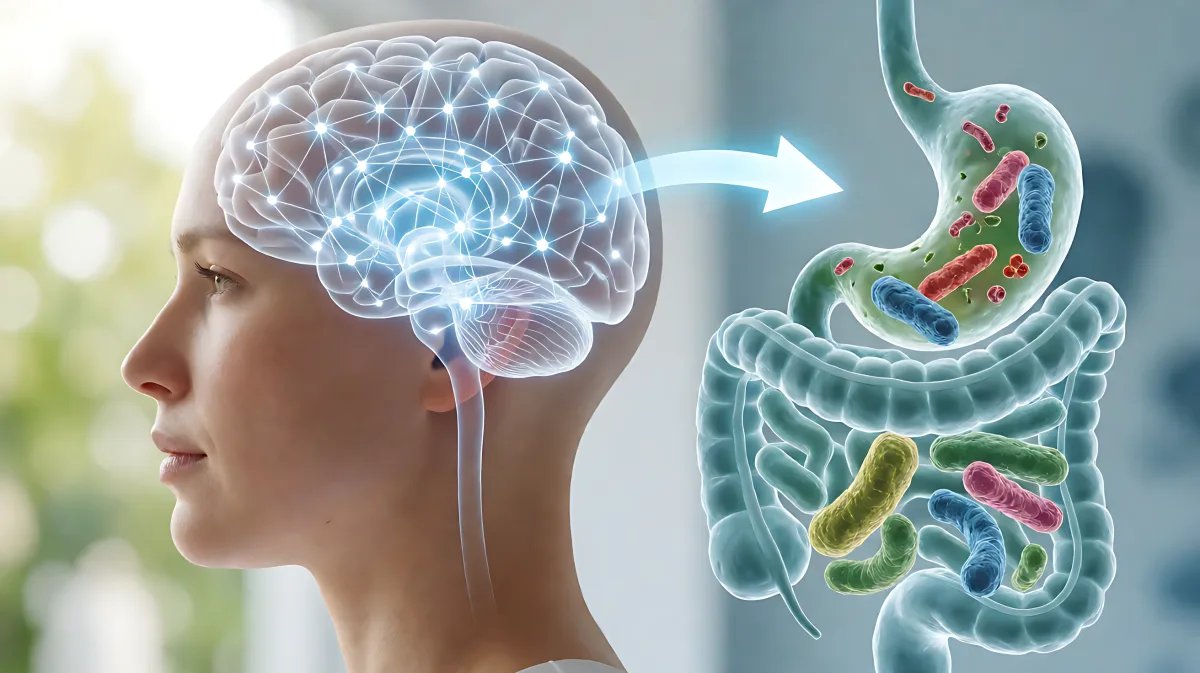
Recent research suggests that modulating the gut microbiome through diet and supplements may help preserve memory and slow cognitive decline in adults over 45.
Recent research published in 2026 indicates that a healthy gut microbiome can actively protect brain function by reducing inflammation. A systematic review in the journal Nutrition Research found that interventions like probiotics and dietary changes can improve memory in adults over 45, offering a potential pathway to prevent cognitive decline.
What is the connection between the gut and the brain?
The link between your digestive system and your mind is called the gut-brain axis. This bidirectional communication network allows the gut to influence the brain through nerves, hormones, and immune signals. Historically, scientists viewed the gut as a simple food processor, but modern microbiology reveals it as a complex ecosystem hosting trillions of microorganisms. These microbes do more than digest food; they produce neurotransmitters and metabolites that travel to the brain, affecting mood, memory, and cognitive processing.
As we age, the composition of these gut bacteria changes. This shift, known as dysbiosis, can weaken the intestinal barrier. When the barrier weakens, bacterial byproducts leak into the bloodstream, triggering a chronic low-grade inflammatory state. This systemic inflammation can eventually compromise the blood-brain barrier, exposing the brain to inflammatory triggers that contribute to the accumulation of harmful proteins like amyloid-beta, a hallmark of Alzheimer's disease.
How do gut changes affect memory and cognition?
Research suggests that specific types of gut bacteria play a role in maintaining neural integrity. A comprehensive review published in 2026 analyzed 15 studies involving over 4,200 participants. The findings showed that adults with cognitive impairment who underwent microbiome-targeted interventions demonstrated improved cognitive performance. The key mechanism is the reduction of neuroinflammation. By restoring the balance of gut bacteria, the body can lower the inflammatory markers that typically damage neuronal synapses and impair memory function.
It is not just about having more bacteria; it is about the diversity and specific strains present. The review highlighted that different interventions share common biological pathways that benefit the brain, suggesting that the specific type of microbiome shift is more important than the method used to achieve it.
What foods and supplements support a brain-healthy microbiome?
Fiber remains the cornerstone of gut health. A prominent study conducted by King's College London and published in Nature Communications utilized a placebo-controlled trial with 72 twins aged 65 and older. The researchers found that participants who took a daily fiber supplement containing inulin and fructo-oligosaccharides showed significant improvements in visual memory tests compared to those who took a placebo. The study focused on the Paired Associates Learning test, which is often used as an early marker for Alzheimer's disease. After just 12 weeks, the fiber group made fewer errors, indicating a protective effect on cognitive function.
Beyond fiber, the 2026 literature review identified several other effective interventions for adults at risk of dementia. These include:
- Probiotics and Prebiotics: Direct supplementation to increase beneficial bacterial populations.
- Mediterranean Diet: Rich in antioxidants and healthy fats, which support gut diversity.
- Omega-3 Fatty Acids: Essential for reducing systemic inflammation and supporting neural membrane health.
- Postbiotics: Metabolites produced by bacteria that can be ingested directly to support gut barrier function.
Experts note that while probiotics are widely available, the market is saturated with ineffective products. Dr. Boban Subhadra, a scientist and Chief Technology Officer in the microbiome field, emphasizes that the goal is to support the entire microbial ecosystem rather than just adding isolated bacterial strains. He advocates for systems-based approaches that combine microbes with nutrients and postbiotic compounds to mimic the natural complexity of the gut environment.
Is it too late to improve cognitive health with gut interventions?
Time is a critical factor in cognitive preservation. While dementia is progressive and often irreversible once it reaches advanced stages, the early phase of mild cognitive impairment (MCI) offers a window for intervention. The 2026 research emphasizes that changing the gut microbiome during early cognitive decline can help stabilize function and slow the progression of symptoms. The continuous dialogue between the microbiome, immune system, and brain means that perturbations in gut health can reverberate throughout the body, but conversely, restoring gut health can help reset these inflammatory loops.
For consumers, this means that focusing on gut health is not just about digestive comfort; it is a strategic component of long-term brain care. Whether through dietary changes, such as increasing intake of fermented foods and whole grains, or through targeted supplementation, the aim is to foster a diverse and resilient microbiome. As the global population ages, these microbiome-based strategies are emerging as a vital, non-pharmacological tool to support cognitive resilience.
Frequently Asked Questions
Can probiotics directly treat Alzheimer's disease?
Current research suggests that probiotics and prebiotics can support cognitive function and reduce inflammatory markers associated with neurodegeneration. However, they are not a cure for Alzheimer's disease. They are best viewed as a preventive or supportive measure for cognitive preservation, particularly in the early stages of cognitive decline.
How quickly can I see changes in my gut health?
While some benefits like improved digestion may occur within weeks, significant shifts in the gut microbiome composition typically take several weeks to months. The King's College London study showed measurable cognitive improvements in 12 weeks of fiber supplementation, but long-term adherence is usually necessary to maintain these benefits.
What is the best diet for gut-brain health?
A Mediterranean diet, characterized by high intake of vegetables, fruits, whole grains, legumes, and healthy fats, is consistently linked to a healthy gut microbiome. Additionally, reducing ultra-processed foods and adding fermented foods like yogurt or kefir can support microbial diversity.
Do I need a specific probiotic brand?
While many brands claim benefits, efficacy depends on the specific bacterial strains and their viability. It is generally recommended to choose products with clinically studied strains and to consult with a healthcare provider, especially if you have pre-existing digestive issues or are taking medications.