How to Build Senior Community Through Shared Interests
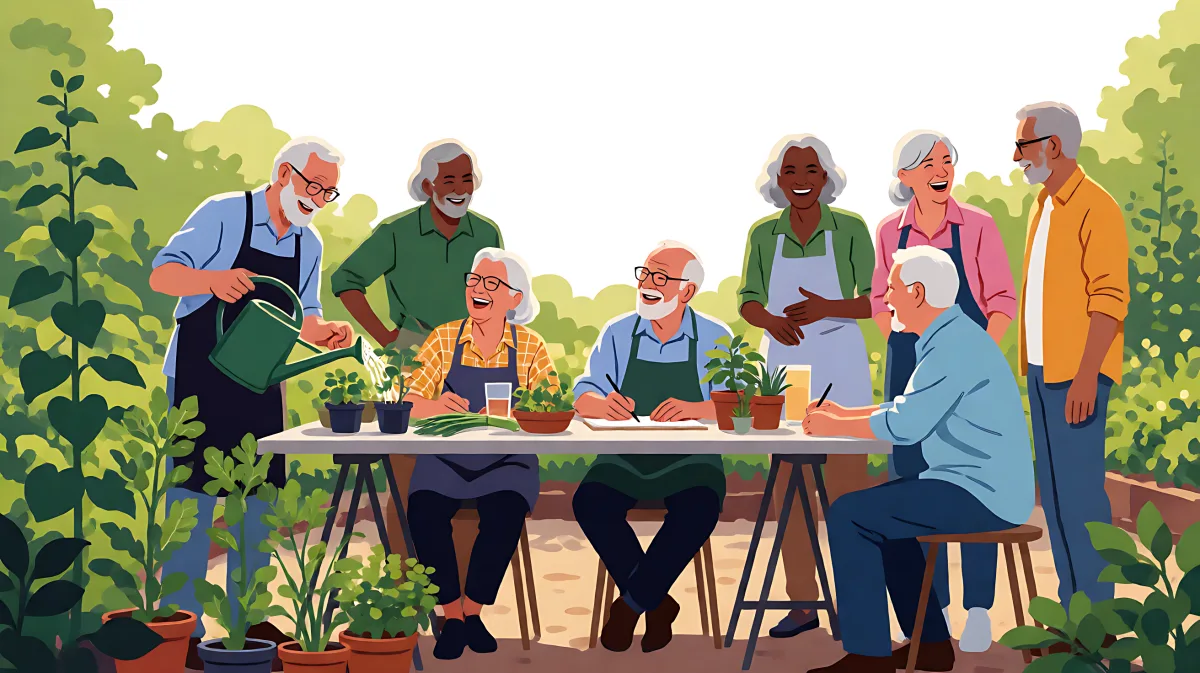
Isolation remains a challenge for many older adults. This guide explains how joining interest-based groups, from gardening clubs to tech workshops, can build meaningful connections and improve mental health.
For many older adults, loneliness is a persistent risk, but joining groups centered on shared interests is a proven way to build lasting community. By participating in activities like gardening clubs, book circles, or technology workshops, seniors create social bonds that improve mental health and reduce isolation. The key is finding a group where your hobbies align with others, turning casual interaction into meaningful friendship and a sense of belonging.
Why Shared Interests Matter for Senior Well-Being
Social isolation is not just an emotional challenge; it has physical consequences. According to the All Seniors Foundation, seniors who maintain vibrant social lives often experience better cognitive function and lower risks of depression. The organization emphasizes that community centers and local groups are evolving to offer more than just bingo and crafts. Today, these hubs provide technology lessons, art therapy, and health screenings, ensuring that social engagement aligns with physical capabilities and cultural interests.
When you connect over a specific passion, such as woodworking or bird watching, the conversation flows naturally. You do not need to force small talk. Instead, you share techniques, stories, and discoveries. This dynamic fosters a deeper sense of camaraderie compared to general socializing. YWCA Greater Los Angeles notes that investing in relationships with people who share your values contributes significantly to personal growth and the creation of a supportive network.
How Do Group Activities Reduce Loneliness?
Structured group activities provide a regular rhythm to the week, which combats the unpredictability of isolation. Whether it is a weekly chess club or a monthly hiking group, these recurring commitments create a safety net. Participants know they have somewhere to be and people to see. Research indicates that regular social engagement reduces the risk of cognitive decline. By engaging in thoughtful discussions and collaborative projects, seniors keep their minds sharp while building a circle of friends who care about their well-being.
Best Activities for Building Social Connections
Not all activities create the same level of connection. The most effective groups are those that require collaboration or shared learning. Here are some of the most effective ways to find community through shared interests.
- Gardening and Horticulture: Community gardens are surging in popularity because they combine physical exercise with a tangible result. Working alongside others to plant and harvest creates a shared purpose and a natural reason to check in on one another regularly.
- Arts and Crafts: From painting to quilting, creative workshops stimulate fine motor skills and encourage conversation. Intergenerational art projects, which pair seniors with youth, are particularly effective at bridging generational gaps and fostering mutual respect.
- Digital Literacy and Technology: Many seniors feel left behind by technology. Joining a digital literacy class not only helps you learn new skills, such as video chatting or using social media, but it also connects you with peers who face the same challenges. This shared struggle often turns into a strong bond.
- Volunteering: Service projects provide a sense of purpose. By working together to help a local charity or organize a community event, seniors build teamwork skills and form friendships based on shared values of kindness and service.
Senior living communities, such as those highlighted by American Retirement Homes, often organize these activities to foster emotional support. They note that volunteering and serving others nurture friendships and strengthen community ties. Even simple acts, like planning a community picnic together, can cement relationships that last for years.
Are Indoor or Outdoor Settings Better for Connection?
Both settings have their merits, and the best choice depends on your mobility and preferences. Outdoor groups, like walking clubs or hiking trails, promote cardiovascular health and provide a changing environment that keeps conversations fresh. Many local governments now curate senior-friendly trails with benches and shade, making these activities accessible to a wider range of fitness levels.
Indoor settings, such as community centers or libraries, offer comfort and consistency. They are ideal for bad weather or for individuals with limited mobility. Hybrid models are also becoming common, where seniors meet in person for part of the session and connect virtually for the rest. This flexibility ensures that no one misses out on the community experience due to transportation or health issues.
Practical Steps to Join a Group
Starting a new social circle can feel intimidating, but a structured approach makes it manageable. Here is a checklist to help you find your fit.
- Identify Your Core Interests: List three hobbies you genuinely enjoy. Do not choose something just to be social; passion is the fuel for consistent participation.
- Locate Local Hubs: Search for community centers, libraries, or senior-specific organizations in your area. Look for posted calendars of events that match your interests.
- Attend as a Guest First: Most groups allow drop-in attendance for the first visit. Use this time to observe the vibe and check if the group feels welcoming.
- Bring a Topic: Have one or two stories or questions related to the hobby ready to share. This helps you break the ice without the pressure of leading the conversation.
- Commit to a Minimum Number of Meetings: Give it at least four to six sessions before deciding if it is a fit. Relationships take time to build, and you need consistency to move beyond acquaintances.
For those in urban areas, organizations like YWCA offer specific enrichment programs for adults aged 55 and older. Their centers in locations such as Union Pacific and Walnut Park provide spaces where seniors can explore new activities, from fitness to arts, in a supportive environment.
How Can Technology Help You Connect?
Technology is a powerful tool for maintaining and expanding your social circle. Video calls allow you to stay close to distant family and friends. Online interest groups provide a platform to discuss your hobbies with people across the country, reducing feelings of isolation when local options are limited. Many seniors are now using virtual reality for social purposes, participating in group games or virtual travel experiences. This technology boosts cognitive engagement and provides a new layer of shared experience with friends.
Common Misconceptions About Senior Socializing
Many seniors assume that finding community requires a major lifestyle change, such as moving into a retirement community. But in fact, meaningful connections can be built right where you live through local clubs and volunteer groups. You do not need to move to a campus to gain the benefits of a support network.
Another common misconception is that social activities are only for the highly mobile. In reality, most community programs are adaptive. Chair aerobics, online book clubs, and tabletop games are designed to accommodate varying mobility levels. The focus is on participation and connection, not physical performance. If you have limited mobility, look for groups that offer virtual participation or seated activities. You can still be an active member of a community without standing for long periods.
Finally, many believe that joining a group is about having a large social circle. Quality matters more than quantity. A small group of three or four people you trust and enjoy being around is far more valuable for your well-being than a large, superficial network. Focus on depth over breadth.
FAQ
What are the best low-effort ways to find a community?
Joining an online interest group or a local library book club are low-effort ways to start. These settings are relaxed and do not require physical stamina or significant financial investment. You can participate at your own pace and build connections gradually.
How do I handle it if I don't get along with the group?
It is normal not to click with everyone. Give it a few sessions, but if the dynamic feels forced, it is okay to leave and try a different group. Social fit is subjective, and finding the right tribe may require trying two or three options before settling on the one that feels right.
Can I start a group if I can't find one that fits my interest?
Absolutely. Many community groups start with just two or three interested individuals. Contact a local community center or library to ask about hosting a club. Often, these organizations provide the space and marketing support you need to get started, and you will likely find others who share your niche interest.
Do senior living communities offer better social opportunities than living independently?
Senior living communities offer structured social opportunities and built-in common areas, which can reduce the friction of finding activities. However, independent seniors can build equally strong communities through local organizations, volunteer work, and intergenerational programs. The key factor is consistent engagement, not the housing type.