Smart Device Emergency Backup Plan 2026
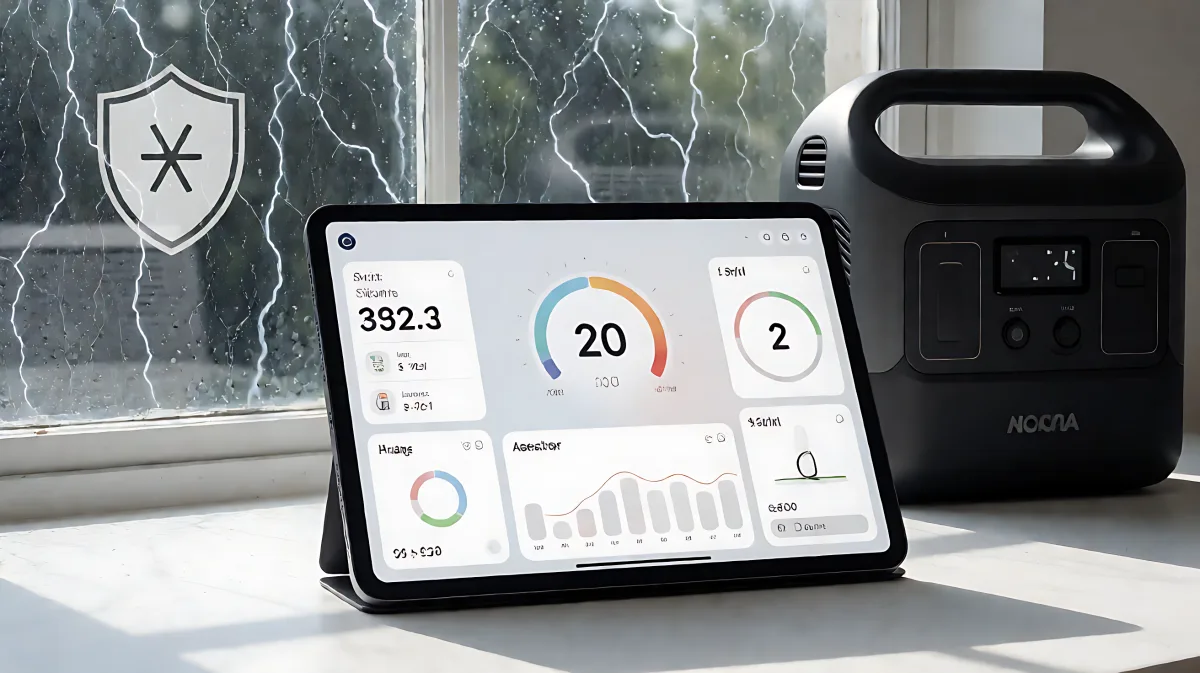
Power cuts and connectivity failures can render smart devices useless. Learn how to prioritize backup power, cellular communication, and battery storage to keep critical tech running.
Keeping smart devices operational during emergencies requires a layered approach to power and connectivity. You must prioritize backup energy sources like LiFePO4 battery stations and cellular communication overrides to ensure critical smart home and medical systems remain functional. By combining rapid-response Uninterruptible Power Supply (UPS) units with renewable charging options and automated failover protocols, households can maintain safety and digital access even when grid power and primary internet links fail.
Why do smart devices fail during emergencies?
Smart devices rely on continuous electricity and stable network connections to function. When the main electrical grid fails, Wi-Fi routers, smart locks, and security cameras immediately lose power. Furthermore, many modern "smart" features depend on cloud connectivity; if your internet provider is down, local control often becomes impossible. In the context of 2026, where more homes rely on fully automated climate control and security systems, a single hour of blackout can lead to frozen pipes, security vulnerabilities, or missed medical alerts. The failure of these systems is not just an inconvenience but a safety hazard, particularly for elderly residents or those with medical dependencies on powered equipment.
What is the core role of portable power stations in this plan?
Portable power stations serve as the first line of defense for high-demand devices. Newer models, such as the BLUETTI Elite 30 V2, offer 288Wh of LiFePO4 battery capacity with a 600W continuous output and 1500W power-lifting capability. This technology is critical because LiFePO4 batteries offer higher cycle life and thermal stability compared to older lithium-ion types, making them safer for residential use. The 10ms Uninterruptible Power Supply (UPS) feature in these units is a game-changer for smart home hubs and routers. Unlike traditional generators that take seconds to start, a 10ms UPS bridges the gap instantly, preventing the hard reset of sensitive electronics that occurs when power fluctuates or cuts out. This ensures that your smart lighting, video doorbells, and central processing units remain online without losing their settings or security configurations.
How can you secure medical and safety devices?
Medical alert systems and home safety monitors require more than just plug-and-play power; they need guaranteed uptime. Systems like those provided by LifeStation, which have supported over 100,000 families since their founding, now integrate advanced fall detection and 24/7 monitoring. However, these base stations rely on mains electricity. To create a robust backup, you should connect the base station of your medical alert system to a dedicated UPS or a smart power station. LifeStation's Sidekick Home and Pearl mobile devices operate on battery power, but the monitoring hub that receives the signals requires constant power. By ensuring the hub has at least 24 hours of backup capacity, you eliminate the risk of the system going silent during a prolonged outage. Additionally, consider that GPS-enabled mobile alerts can function independently of home Wi-Fi, but the central server connection must be maintained to dispatch help effectively.
Which communication strategies prevent digital isolation?
When cell towers are down or overwhelmed, VoIP and Wi-Fi services often fail. A resilient 2026 backup plan includes:
- Cellular Backup Routers: Many modern internet service providers now offer 5G backup modems. These devices automatically switch to cellular data when fiber or cable lines are cut, keeping smart devices online.
- Satellite Communication: For remote areas, satellite-to-device communication is becoming more accessible. This allows smart watches and emergency beacons to send location data even without terrestrial network coverage.
- Mesh Network Redundancy: Smart home experts recommend a mesh Wi-Fi system powered by battery backup. This ensures that if the main gateway fails, local devices can still talk to each other, maintaining basic automation for lighting and heating.
How does the smart grid infrastructure impact your home?
The global shift toward smart grids, as outlined by engineering platforms in Europe and the United States, changes how energy is distributed. Smart meters and advanced metering infrastructure allow for demand response, where your utility company might temporarily reduce power to your home during peak stress to keep the grid stable. While efficient, this can interrupt your smart devices. To counter this, you need local autonomy. Energy storage systems, whether battery arrays from electric vehicles or standalone units, decouple your home from grid fluctuations. By integrating renewable sources like solar panels into your power station, you can recharge during the day and deploy stored energy at night or during outages. This hybrid approach aligns with the modern smart grid definition, which emphasizes reliability, flexibility, and efficiency through distributed energy resources.
What are the financial and maintenance considerations?
Building this infrastructure requires an initial investment. Portable power stations in the 288Wh to 512Wh range, as seen in the 2026 market, are becoming more affordable due to improved manufacturing of LiFePO4 cells. However, you must factor in charging accessories, solar panels, and potentially a certified electrician to install transfer switches for larger home backup systems. Regular maintenance is vital. Test your UPS units quarterly to ensure batteries are healthy. For medical systems, review their battery health annually. Furthermore, if you have health insurance, look for discounts on monitoring services; providers like LifeStation offer up to 30% off for insured customers, which can offset the cost of premium 24/7 monitoring that pairs with your hardware backup plan.
FAQ
What is the best battery type for emergency backup?
LiFePO4 (Lithium Iron Phosphate) is currently the preferred technology for residential backup. It offers a longer lifespan, better safety profile, and faster charging times compared to traditional lead-acid or older lithium-ion batteries.
Do smart home devices work without the internet?
Most smart devices require a local hub to function. While they can sometimes operate locally if the hub is powered, the "smart" automation features usually depend on cloud connectivity. Keeping your hub and router on a UPS ensures local control remains available even if your internet provider is down.
How long does a portable power station last?
Durations vary by capacity and load. A 288Wh unit can power a router and smart hub for several days, but a heavy load like a medical ventilator or a small heater will deplete it much faster. Always calculate your specific watt-hour needs for critical devices.
Is a generator necessary if I have a battery station?
For short outages, a battery station is sufficient and quieter. For week-long disasters, a generator may be needed to recharge the batteries. However, for smart devices specifically, the silent and clean power of a battery UPS is often preferred to prevent fuel fume ingestion and equipment damage from voltage spikes.