Late-Life Eating Disorders: Signs & Risks for Seniors
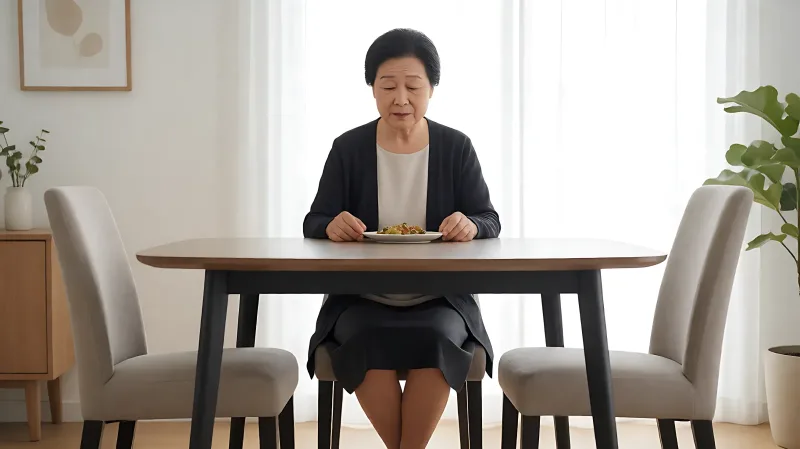
Eating disorders are not just a teen issue. Learn why anorexia and other conditions often go undiagnosed in seniors, the specific risk factors involved, and how families can spot the subtle signs.
Eating disorders often emerge in adulthood, yet they remain largely hidden in later life. The CDC notes that while these conditions are common in youth, up to 25 percent of cases are first diagnosed in adulthood. For seniors, the challenge is compounded by the fact that weight loss is frequently misattributed to aging or chronic illness rather than a psychiatric condition. This disconnect leaves thousands of older adults suffering in silence, unable to access the specialized care they need.
For more information, see NIA mental health resources from the National Institute on Aging.
The stigma surrounding body image and diet culture does not vanish after retirement. In fact, transitions like widowhood, moving into assisted living, or retirement can trigger new episodes of anorexia nervosa or binge eating disorder. Because the symptoms overlap so heavily with normal age-related health changes, clinicians must look deeper to identify the root cause of sudden weight fluctuations or social withdrawal in patients over 60.
Why Do Eating Disorders Go Undiagnosed in Seniors?
Healthcare providers frequently miss these conditions because they rely on stereotypes associated with adolescents. When a 70-year-old loses weight, a doctor may immediately suspect cancer, heart failure, or depression, rather than considering a restrictive eating disorder. This diagnostic bias is a significant barrier to care. Furthermore, older adults often normalize weight loss as part of the aging process, delaying their own reports of distress to medical professionals.
Medication interactions also complicate the picture. Many seniors take multiple drugs that affect appetite or digestion. If a patient stops eating to manage side effects, it can spiral into a disorder. The American Geriatrics Society emphasizes that weight loss in older adults requires a thorough evaluation to rule out intentional restriction, not just passive neglect. Without proactive screening, the underlying mental health crisis remains invisible.
What Role Do Life Transitions Play in Late-Onset Cases?
Midlife and late-life crises are powerful triggers. The loss of a spouse or partner, the end of a career, and the physical changes of menopause can shatter a person's sense of identity. For many, food becomes the last controllable variable in a chaotic life. Restrictive eating offers a sense of order and control when the rest of life feels out of reach. This psychological dynamic mirrors the mechanisms seen in younger patients, but it is often fueled by decades of accumulated body dissatisfaction.
Social isolation further exacerbates the risk. Studies indicate that lonely adults are more likely to develop disordered eating patterns. When regular meal times with family or community cease, the routine that previously governed food intake disappears. This void can be filled with either bingeing or extreme restriction, depending on the individual's history and coping mechanisms.
What Are the Specific Warning Signs for Older Adults?
Recognizing a disorder in a senior requires looking at the whole picture, not just the number on the scale. Clinicians and family members should watch for the following subtle cues that may indicate a struggle with food and body image:
- Sudden withdrawal from social events, specifically meals with others, to avoid scrutiny or judgment.
- Intense preoccupation with the word "healthy" or "clean" when discussing food, often bordering on obsessive thinking.
- Unexplained fatigue or frequent falls, which can signal severe nutrient deficiencies or muscle wasting from restriction.
- Verbal expressions of body disgust or shame related to aging, such as feeling "fat" or "creepy" despite normal weight.
- Excessive use of over-the-counter laxatives or diuretics to manage small weight gains.
Physical signs may also include cold intolerance, brittle nails, hair loss, or dry skin. These are often dismissed as aging, but in the context of poor intake, they are critical medical red flags. The National Alliance for Eating Disorders advises that if a senior has experienced a 5 percent or greater weight loss in two weeks, a psychiatric evaluation is essential.
How Does Social Anxiety Intersect with Eating Disorders in Seniors?
There is a strong link between social anxiety and disordered eating in older populations. Fear of being judged while eating can lead to avoidance of communal dining, leading to increased isolation. This mirrors the avoidance behaviors seen in social anxiety disorder, where individuals fear negative evaluation. When a senior fears that others will comment on their plate, they may stop eating in front of others entirely, isolating themselves in their rooms. This avoidance is a key diagnostic clue that points to a psychological, rather than purely physiological, cause for weight loss.
What Are the Risk Factors That Heighten Vulnerability?
Certain backgrounds make older adults more susceptible to late-onset eating disorders. A history of dieting during one's 40s or 50s is a significant predictor. Additionally, women who have survived anorexia or bulimia in their youth may see a recurrence of symptoms after menopause, as hormonal shifts can reignite old fears of weight gain. Men are also at risk, though they are less likely to seek help. Symptoms in men may manifest as extreme exercise regimens or rigid macro-tracking, which can be misinterpreted as fitness enthusiasm rather than pathology.
Comorbid conditions like depression or anxiety disorders increase the risk significantly. The presence of these mental health issues creates a fertile ground for disordered eating to take root as a maladaptive coping strategy. Recognizing these underlying vulnerabilities is crucial for early intervention.
What Are the Long-Term Health Consequences of Untreated Disorders?
The physical toll on the elderly body is rapid and severe. Because bone density decreases with age, prolonged restriction can lead to osteoporosis and fractures much faster than in younger adults. The CDC reports that adults over 60 lose muscle mass and bone density naturally, but malnutrition accelerates this process, leading to frailty. Cardiovascular issues, such as electrolyte imbalances and heart rhythm disturbances, are also heightened risks. In extreme cases, refeeding syndrome can occur when treatment begins, making medical supervision vital.
How Can Families Support an Older Adult With an Eating Disorder?
Approaching the conversation requires empathy and directness. Avoid shaming language about weight. Instead, focus on behavior and health. Say, "I've noticed you seem stressed about meals," rather than, "You look too thin." Encourage a medical check-up to rule out physical causes of weight loss, but insist on a psychiatric component. Support groups for older adults can provide community and reduce isolation. The National Eating Disorders Association offers resources specifically tailored to older demographics and their caregivers.
Treatment options include cognitive-behavioral therapy, nutritional rehabilitation, and psychiatric medication management. It is vital to find a therapist who has experience with older adults, as the dynamics of aging and food are unique. With the right support, recovery is possible at any age.
Frequently Asked Questions
Is anorexia nervosa common in adults over 60?
While less common than in adolescents, anorexia nervosa does occur in seniors. It is often a late-onset form triggered by life changes or a recurrence of earlier symptoms. It is a serious medical condition that requires immediate attention.
Can weight loss in older adults be a sign of depression instead?
Yes, depression and eating disorders often co-occur, and both can cause weight loss. However, the intent behind the weight loss differs. In depression, it is often due to lack of appetite or energy. In an eating disorder, it is driven by fear of weight gain or rigid rules about food. A comprehensive evaluation is needed to distinguish between the two.
Where can I find a therapist who treats seniors with eating disorders?
Look for clinicians who specialize in geriatric mental health or eating disorders. The National Alliance for Eating Disorders and the National Eating Disorders Association maintain directories of providers. Telehealth options are also increasingly available for those with mobility issues.
Why do men have a harder time getting diagnosed?
Men often hide their symptoms better. They may engage in rigid dieting or excessive exercise that looks like a health habit. Since the stereotype of an eating disorder is associated with thinness in women, providers may overlook the intense internal distress and control behaviors in male patients. Awareness of these atypical presentations is key.