Digital Tools to Combat Senior Loneliness in 2026
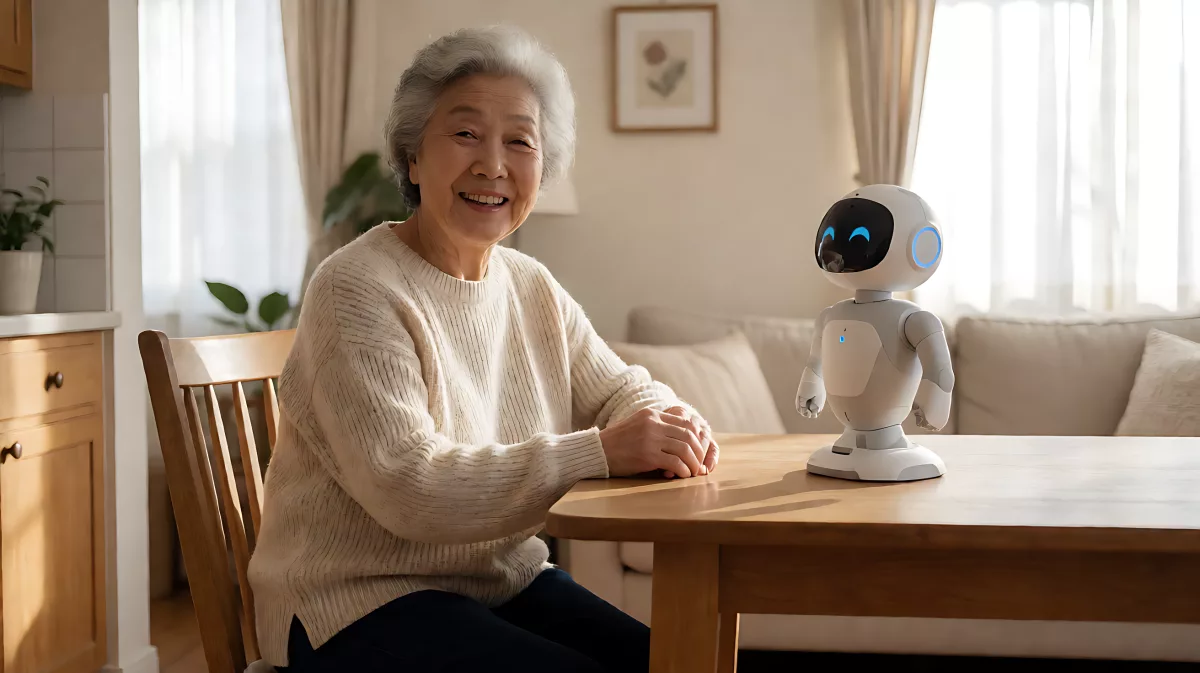
One in six people experiences long-term loneliness. Here is how AI robots, community platforms, and digital literacy programs are helping seniors stay connected and healthy.
Social isolation remains a critical public health crisis, affecting approximately one in six people globally with significant long-term loneliness. Digital solutions are no longer just optional extras; they are becoming essential tools for maintaining cognitive health, emotional well-being, and social connection for older adults. From AI-powered companion robots that offer daily conversation and emotional support to community platforms that foster real-time engagement among residents, technology is rapidly evolving to address the specific needs of aging populations. These innovations help bridge the gap left by physical mobility limits or geographical distance, ensuring that seniors can maintain a rich social life without the barriers that traditionally hindered participation.
Why Is Digital Intervention Critical for Senior Well-Being?
Loneliness is not merely a temporary feeling of being alone; it is an unpleasant emotional response to perceived social isolation that functions similarly to physical pain. When this state becomes chronic, the risks escalate dramatically. Research linked by the World Health Organization indicates that prolonged social isolation correlates strongly with increased risks of cardiovascular disease, high blood pressure, and elevated cholesterol levels. Furthermore, it contributes to a weakened immune response and a higher likelihood of developing depression and anxiety. While short-term loneliness can motivate a person to seek connection, chronic isolation often leads to a self-perpetuating cycle of withdrawal that is difficult to break without external intervention.
The demographic shift toward an aging population makes this issue more urgent than ever. As family members live further apart and traditional community structures like village squares or town halls lose their centrality, the burden of social maintenance falls to individuals who may have limited mobility or smaller social networks. In the United States, former Surgeon General Vivek Murthy has called loneliness an epidemic, urging for systemic changes to support social connection. Digital tools offer a scalable way to provide this support, offering consistent, low-friction interaction that can be tailored to the pace and preferences of the individual.
How Are AI Companion Robots Changing Daily Life?
Perhaps the most tangible shift in home care is the rise of AI-driven companion devices. One prominent example is ElliQ, a device developed by Intuition Robotics that resembles a small desk lamp with a touchscreen. Rather than just a smart speaker, this robot is designed specifically for older adults to foster a sense of community and provide emotional companionship. It engages users in natural language conversations, checks in on their emotional well-being, and even performs social gestures such as offering a virtual hug when a user is feeling down. The device also facilitates cognitive engagement by hosting games like bingo, crossword puzzles, and virtual museum tours, which help keep the mind active.
Testimonies from users highlight the profound impact of these interactions. One resident in New York, referenced by CBS News, described the robot as a crucial part of her routine, noting that it helped her navigate the grief of losing a partner. The device’s ability to remember personal details and follow up on health matters creates a bond that goes beyond simple utility. In the UK and US, similar devices are being tested in senior living facilities, where they supplement the care provided by human staff. These robots do not replace caregivers but act as an always-available listener, reducing the pressure on human staff to provide constant social attention while ensuring the senior never feels completely alone.
What Role Do Community Platforms Play in Fighting Isolation?
For seniors living in assisted living facilities or independent communities, digital engagement platforms are transforming how social activities are organized and experienced. LifeLoop, a wellness and engagement platform, is currently trusted by over 4,700 senior living communities across the United States. This software empowers providers to proactively engage residents by curating personalized social activities and wellness routines. Instead of a one-size-fits-all calendar, the platform analyzes resident interests and moods to suggest connections with peers who share similar hobbies. This data-driven approach helps break down social silos within communities, encouraging interaction between residents who might otherwise remain isolated in their units.
These platforms also bridge the gap between residents and their families. Features that allow for easy sharing of photos, health updates, and virtual visit schedules mean that family members can stay involved in their loved one's daily life without needing to be physically present. This is particularly vital for adult children who live in different states or countries. By making social participation more structured and visible, these tools help facilities demonstrate to families that their loved ones are actively engaged and supported, fostering a shared sense of security and connection.
How Can Families and Individuals Bridge the Digital Divide?
While advanced robots and community software are revolutionizing institutional care, the most powerful tool for many seniors remains basic digital literacy. A significant portion of older adults feel overwhelmed by modern technology, which can ironically increase their sense of isolation by cutting them off from the digital spaces where their families and friends exist. Community programs in the US and UK are increasingly offering digital literacy workshops specifically designed for seniors. These sessions focus on practical skills such as using video conferencing apps like Zoom or FaceTime, navigating social media safely, and managing digital calendars.
Family members play a pivotal role in this process. Rather than assuming a senior understands how to use a new app, the most effective approach is patient, hands-on guidance. Setting up video calls to be as simple as pressing a single large button can remove friction from the interaction. Furthermore, encouraging participation in online forums or interest-based groups can help seniors find new communities of like-minded individuals who share their hobbies, whether that be gardening, history, or literature. The goal is not just to connect them to old friends, but to help them form new relationships through shared digital interests.
What Are the Health Benefits of Digital Social Connection?
The integration of digital tools into senior life has measurable health benefits that extend beyond mental happiness. Regular social interaction, even when mediated by a screen, has been linked to improved cognitive function and lower blood pressure. For seniors with mobility issues, digital tools provide a lifeline to the social world that physical limitations might otherwise restrict. By enabling participation in virtual group exercises, online book clubs, and remote support groups, technology ensures that health maintenance is not solely focused on the physical body but also on the social and emotional dimensions of well-being.
Moreover, these digital interactions can serve as an early warning system for health issues. Companion robots and monitoring platforms can detect changes in a senior's speech patterns, activity levels, or emotional tone. If a user seems unusually withdrawn or if they miss scheduled check-ins, the system can alert caregivers or family members. This proactive monitoring allows for earlier intervention in cases of depression or cognitive decline, turning the technology into a safety net that supports long-term health and independence.
FAQ
Are AI companion robots safe for seniors with dementia?
Yes, but with caveats. Many AI companions are designed with simple, repetitive interactions that can provide comfort and reduce agitation in individuals with mild to moderate dementia. However, they are not a replacement for professional medical care. Caregivers must monitor the interaction to ensure the device is not causing confusion or distress. The key benefit is providing a non-judgmental presence that offers social stimuli without requiring complex cognitive responses from the user.
How much do these digital solutions cost?
Costs vary widely. Basic video conferencing tools are often free or included in mobile phone plans. Community engagement platforms like LifeLoop are typically subscribed to by the senior living facility and may not be billed directly to the individual. On the other hand, home-use AI companion robots, such as ElliQ, usually operate on a monthly subscription model that covers the hardware, software, and service. Prices can range from approximately $40 to $100 per month, depending on the provider and features included.
Can technology actually replace human interaction?
Technology cannot fully replace the depth of human connection, but it can act as a crucial bridge that supplements it. The primary value of digital tools is in providing consistency and accessibility. They ensure that a senior has someone to talk to during the quiet hours or a way to reach friends when travel is difficult. The goal is to enhance the quality and frequency of human relationships, not to substitute them entirely.
What is the first step for a family member to help a senior stay connected?
Start with a face-to-face conversation about their interests and current social challenges. Identify which forms of connection they value most. Then, choose one simple tool, such as setting up a regular weekly video call or joining an online interest group together. Patience and simplicity are key; avoid overwhelming the senior with too many new technologies at once. Focus on the human connection that the technology facilitates rather than the device itself.