Digital Banking Scams: Prevention Guide
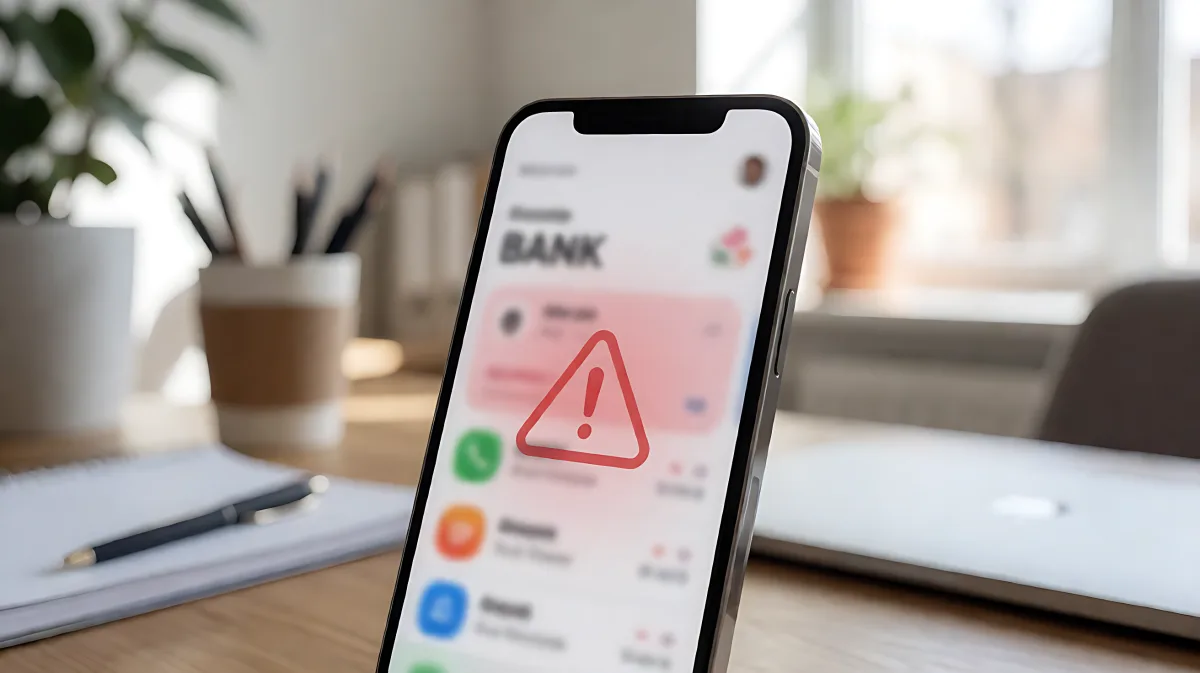
As mobile payments and digital wallets become standard, the risk of targeted fraud increases. This guide breaks down the most common digital banking scams of 2026 and provides a clear action plan to keep your money safe.
Digital banking scams are primarily engineered social attacks that trick users into revealing credentials or approving fraudulent transfers. In 2026, with the proliferation of instant payment systems and AI-driven fraud tools, the threat landscape has shifted from simple phishing to sophisticated mobile takeover attempts. To stay safe, you must verify the source of every financial request through a known, independent channel and strictly avoid clicking links in unexpected messages.
What Are the Most Common Digital Banking Scams in 2026?
The modern banking landscape is highly digitized, offering convenience at the cost of increased attack surface. Fraudsters are increasingly using organized groups equipped with artificial intelligence to bypass traditional security measures. Understanding the specific vectors of attack is the first step in protection.
How Do Phishing and Social Engineering Attacks Work?
Phishing remains the entry point for many larger fraud schemes. In 2026, these attacks have evolved beyond generic emails to include "vishing" (voice phishing) calls and "smishing" (SMS phishing) texts. Attackers impersonate trusted banks or government agencies, creating a sense of urgency by claiming your account is under investigation or will be suspended. They include links to fake websites that mimic legitimate bank interfaces. Once you enter your login details, the data is instantly stolen. A related tactic is social engineering, where fraudsters exploit human psychology to gain trust, often pretending to be bank support agents or even close friends in distress.
Why Are Mobile Banking and Payment Apps So Targeted?
Mobile banking is the primary target for fraudsters in 2026 due to the speed of transaction clearing. Scammers often use "SIM swapping" to hijack your phone number, allowing them to intercept the two-factor authentication (2FA) codes sent via SMS. Once they control your number, they can reset passwords and drain accounts. Additionally, fake banking apps are distributed through unofficial app stores. These malicious applications mimic real banks, stealing credentials and potentially injecting malware that captures keystrokes or displays fake overlay screens during transactions.
What Is Card-Not-Present (CNP) Fraud?
CNP fraud involves the use of stolen credit or debit card details to make online purchases without the physical card. This is facilitated by skimming devices attached to ATMs or point-of-sale terminals, which copy magnetic stripe data. With the rise of digital wallets and e-commerce, the volume of CNP transactions has surged, making it a major revenue stream for organized crime groups. The Consumer Financial Protection Bureau (CFPB) has noted significant losses in this area, with lawsuits against major banks over their handling of payment app scams.
How Can You Identify a Malicious Attempt to Access Your Account?
Fraudulent attempts often follow specific patterns that differ from legitimate bank communications. Recognizing these red flags can prevent account takeover before significant damage is done.
- Unsolicited Links: Legitimate banks almost never send emails or texts with links asking you to "verify" your account or login. If you receive such a message, it is a scam.
- Urgency and Threats: Messages claiming your account will be closed immediately unless you act are classic social engineering tactics to bypass your logical defenses.
- Unfamiliar Devices: Bank alerts showing logins from new locations or devices you do not recognize indicate an active breach.
- Payment App Demands: Anyone asking for money via Venmo, Cash App, or Zelle from an unknown source or an account you have not verified through a different channel is likely a scam.
What Step-by-Step Protocol Should You Follow to Secure Your Finances?
Protection requires a proactive approach. The following checklist summarizes the essential security measures recommended by financial experts for 2026.
- Enable App-Based Multi-Factor Authentication: Disable SMS-based two-factor authentication. Instead, use an authenticator app or biometric verification (fingerprint/face ID) for your banking app. SMS codes are vulnerable to SIM swapping; app-based codes are not.
- Verify All Banking Contacts Independently: Never call a phone number provided in a suspicious message. Always find your bank's customer service number on your card or the official website and call that number directly.
- Monitor Transaction Velocity: Set up real-time alerts for all transactions, including small ones. Review your statements weekly. If you see a transaction you did not initiate, report it to your bank immediately.
- Secure Your Wi-Fi Networks: Avoid performing sensitive banking transactions on public or unsecured Wi-Fi. Attackers can use man-in-the-middle techniques to intercept data on open networks. Use your personal mobile data for critical financial activities if possible.
- Use Unique Passwords and a Manager: Reusing passwords across banking and email accounts is dangerous. Use a reputable password manager to generate and store complex, unique credentials for every financial service.
Many Families Assume That Bank Liability Covers All Scams, But In Fact...
A widespread misconception is that banks are always liable for any loss from unauthorized transactions. For credit cards, federal law provides strong protections. However, for checking accounts and digital payment apps like Zelle, the rules are different. Once you voluntarily transfer money via a payment app, it is often treated as a legitimate transaction, and you may be personally responsible for the loss. As Liz Cackowski, a certified financial crimes investigator at Vanguard, notes, "You are responsible for any deposits made to your account." This means that if you are tricked into wiring money or using a payment app, recovering those funds is significantly harder and depends on the bank's fraud review process.
How Do Banks Detect and Prevent These Threats in Real Time?
Financial institutions in 2026 are deploying advanced AI-driven systems to detect anomalies. These systems monitor user behavior and transaction patterns to flag suspicious activity in real time. For example, if a user who typically spends $50 per month suddenly attempts a $5,000 wire transfer to a new international account, the system may trigger a mandatory step-up verification. While these tools are powerful, they rely on human cooperation. If you fail to report suspicious messages or if your device is compromised by malware, the bank's detection systems may not catch the fraud in time. Insider threats also remain a challenge, as employees with access to sensitive data can potentially facilitate fraud, making strict internal audits and access controls vital for institutional security.
FAQ
What should I do if I accidentally clicked a link in a phishing email?
Do not panic. If you entered your credentials, immediately log in to your bank's official website or app from a secure device and change your password. Contact your bank's fraud department directly using a number you know to be legitimate. Inform your IT provider if this happened on a work device to ensure malware is not present.
Are biometric logins safer than passwords?
Yes, in most cases. Biometrics such as fingerprints or facial recognition are difficult to steal remotely compared to passwords, which can be phished or leaked in data breaches. However, use biometrics in conjunction with multi-factor authentication, not as a replacement for strong passwords, to maintain layered security.
How can I protect my children from mobile payment scams?
Educate them on the "never share" rule: passwords, PINs, and 2FA codes are never shared with anyone, not even "bankers." Teach them to verify requests for money through a secondary channel, such as a phone call. Monitor their usage of payment apps if they have access to your cards, and ensure they understand that sending money via apps is irreversible.
What is the difference between a credit card and debit card regarding fraud liability?
Credit card purchases generally offer zero liability protection under federal regulations, meaning you are not responsible for unauthorized charges. Debit cards draw from your actual bank account. While banks often reimburse fraud, the process can be lengthy, and you may lack access to your funds during the investigation. Credit cards are generally safer for online transactions.