How Muscle Protein Synthesis Fights Sarcopenia in Older Adults
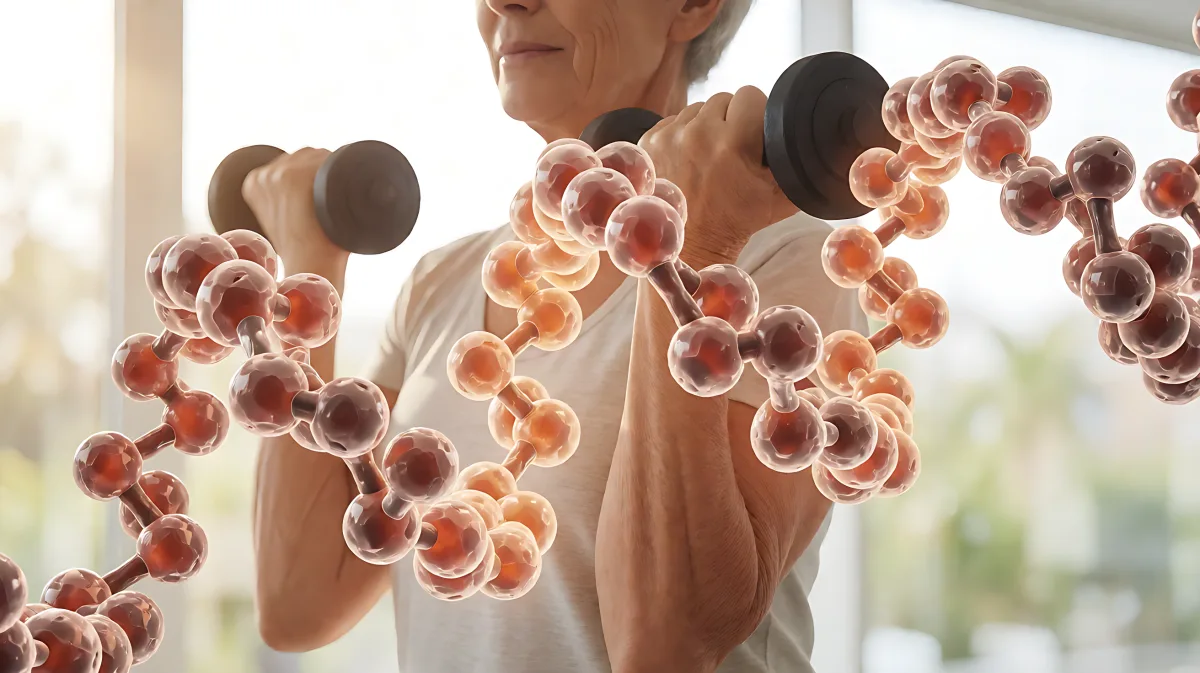
Age-related muscle loss, or sarcopenia, affects nearly half of adults over 80. By understanding the mechanics of muscle protein synthesis and pairing adequate protein consumption with resistance training, individuals can actively preserve strength and independence.
Combating sarcopenia, the age-related loss of muscle mass and strength, requires a deliberate strategy to stimulate muscle protein synthesis. This biological process, where the body builds new muscle tissue, becomes less efficient as we age. By increasing dietary protein intake and engaging in consistent resistance training, older adults can effectively signal their bodies to repair and rebuild muscle fibers. This dual approach is crucial for maintaining independence, reducing frailty, and lowering the risk of falls, which remains a leading cause of injury among the elderly in the United States and United Kingdom.
Why is muscle protein synthesis critical for healthy aging?
As the human body matures, the physiological response to both nutritional and mechanical stimuli diminishes. This phenomenon, often referred to as anabolic resistance, means that older adults need higher levels of essential amino acids to trigger the same muscle-building response that younger individuals achieve with smaller amounts. According to data from the American Geriatrics Society, sarcopenia is now recognized as a medical condition rather than just a normal part of aging. The condition impacts nearly 50% of adults over the age of 80, significantly increasing the likelihood of disability and loss of social participation.
What is the optimal protein intake for maintaining muscle mass?
While the general Recommended Dietary Allowance (RDA) for protein is set at 0.36 grams per pound of body weight for the average adult, research suggests this baseline is often insufficient for preserving muscle in older populations. A study published in the Journal of Nutrition, Health & Aging found that approximately 46% of individuals aged 51 and older did not meet their daily protein recommendations. To combat this deficit, experts now advocate for a higher threshold, often cited in recent clinical guidance as 0.5 to 0.7 grams per pound of body weight for older adults engaging in strength training. For a person weighing 165 pounds, this translates to approximately 80 to 115 grams of protein daily. It is equally important to distribute this intake evenly across meals, as the muscle protein synthesis pathway is most responsive when amino acids are available consistently throughout the day rather than in a single large bolus.
How does resistance training interact with protein synthesis?
Protein provides the raw materials, but mechanical tension provides the signal for the body to utilize those materials. Without regular resistance training, the body has no reason to upregulate the protein synthesis pathway to a degree that offsets natural breakdown. The interaction between these two factors is synergistic; lifting weights or performing bodyweight exercises creates micro-tears in muscle fibers, which the body then repairs using dietary protein. Clinical trials registered on platforms like ClinicalTrials.gov have increasingly focused on combined interventions, demonstrating that nutrition and exercise yield superior results compared to either modality alone. The European Society of Clinical Nutrition and Metabolism recommends at least two to three sessions of progressive resistance exercise per week to maximize this effect in older adults.
What are the best food sources for stimulating muscle growth?
Not all proteins are created equal when it comes to stimulating muscle protein synthesis. Complete proteins that contain all nine essential amino acids are most effective. Leucine, in particular, plays a pivotal role in activating the mTOR pathway, which is the master switch for muscle building. High-leucine sources include:
- Dairy Products: Greek yogurt and cottage cheese offer high-quality protein and are easily digestible.
- Lean Meats and Fish: Beef, chicken, and salmon provide essential amino acids and additional nutrients like iron and omega-3 fatty acids.
- Plant-Based Options: Soy, quinoa, and hemp seeds are strong alternatives, though combining them with other plant sources ensures a complete amino acid profile.
For those who struggle to meet these targets through whole foods alone, protein supplements can be a useful adjunct. However, it is critical to monitor sugar content in commercial powders, as some brands contain up to 23 grams of added sugar per scoop. Medical professionals often recommend consulting a registered dietitian to tailor a supplementation strategy that aligns with individual kidney health and metabolic needs.
What are the risks of excessive protein consumption?
While higher protein intake is beneficial for muscle preservation, it is not without limits. Consuming very high amounts, exceeding roughly 0.9 grams per pound of body weight, can lead to dehydration and may place additional strain on the kidneys, particularly for individuals with pre-existing chronic kidney disease or a history of kidney stones. The balance is key; the goal is to hit the target for anabolic stimulation without crossing into the territory of metabolic stress. Regular blood work, monitoring creatinine and blood urea nitrogen levels, is advisable for older adults significantly increasing their protein intake.
| Factor | Younger Adults | Older Adults (60+) Strategy |
|---|---|---|
| Protein Per Meal | 20-25g | 30g or more to overcome anabolic resistance |
| Daily Intake | 0.36g/lb (RDA) | 0.5-0.7g/lb (Optimized) |
| Training Stimulus | Variable | Progressive Resistance 2-3x/week |
Frequently Asked QuestionsHow quickly can muscle mass be regained after a period of inactivity?
Muscle memory, or myonuclear retention, allows older adults to regain strength and mass faster than it took to lose it. However, consistent protein intake and re-introduction to resistance training are required to activate this pathway. Visible and measurable changes in strength can often be detected within four to six weeks of resuming a structured exercise and nutrition program.
Does the source of protein matter more than the total amount?
Yes, the leucine content of the protein source significantly impacts the speed of protein synthesis. Animal proteins generally have a higher leucine content per gram compared to many plant proteins. Therefore, older adults aiming for maximum muscle preservation should prioritize high-leucine sources or use combinations of plant proteins to ensure sufficient amino acid availability.
Is it safe to take creatine supplements alongside protein?
For most older adults with healthy kidneys, creatine supplementation is safe and may enhance the effects of resistance training by improving phosphocreatine resynthesis in the muscles. However, because creatine affects hydration status, it is crucial to maintain adequate fluid intake and to consult with a healthcare provider before starting, especially if you have pre-existing renal conditions.