Cognitive Wellness Micro-Doses: A Practical Guide
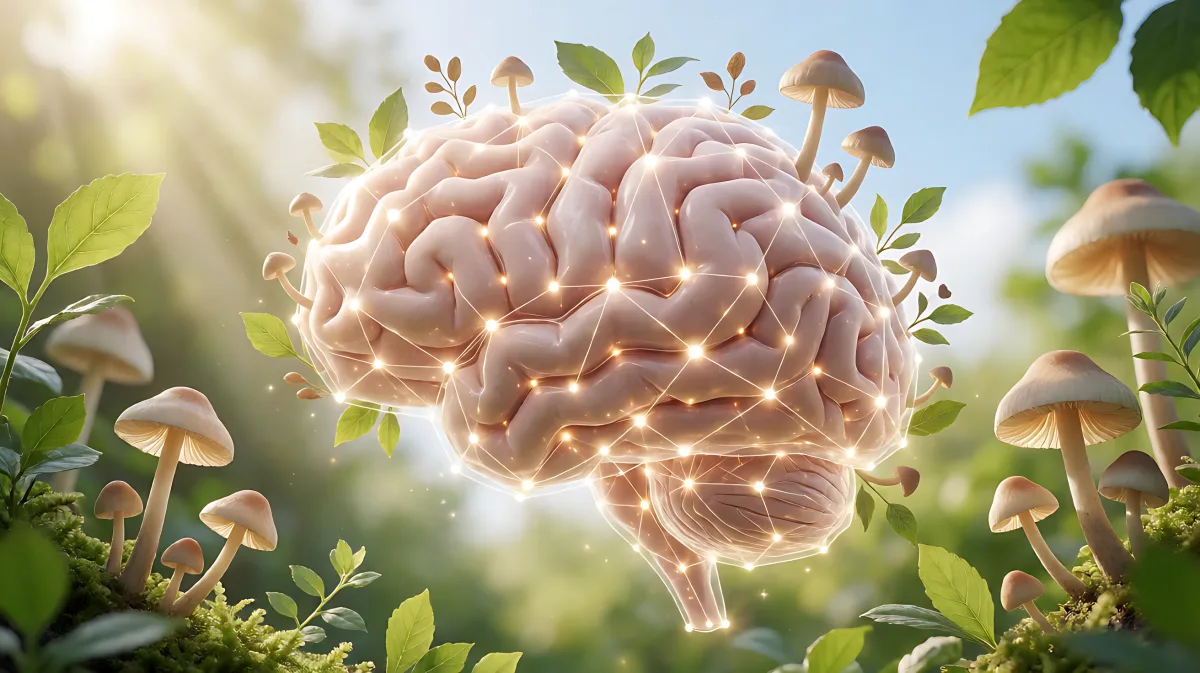
Discover how cognitive wellness micro-doses—small, non-intoxicating daily rituals—can support focus, mood, and mental clarity.
Cognitive wellness micro-doses are small, non-intoxicating, daily rituals that support mental clarity, mood, and focus. In 2026, a growing number of wellness experts and researchers highlight the value of these "micro" approaches as a practical way to maintain sharp thinking without relying on high-dose psychedelic interventions.
What exactly is a cognitive wellness micro-dose?
Unlike traditional recreational or clinical psychedelic use, a cognitive wellness micro-dose refers to tiny, frequent doses of cognitive or wellness-supporting practices. This could mean a two-minute breathing exercise, a short gratitude journaling session, or consuming specific bioactive supplements. The core idea is to use minimal input to create measurable shifts in mental clarity, emotional balance, and sustained attention over time.
In the context of psychedelic microdosing—which was heavily researched and popularized in recent years—the dose is always set below the threshold that causes perceptual changes. For example, researchers at major institutions have identified that microdoses of psilocybin (typically 0.1 to 0.3 grams of dried mushrooms) or LSD (5 to 20 micrograms) can be taken on a recurring schedule, such as every three to four days, without impairing normal functioning. The goal isn't an "experience" or a high, but a subtle background shift in cognitive baseline.
How can micro-doses improve cognitive performance?
The premise of cognitive micro-dosing is that consistency and low impact yield better long-term results than infrequent, high-intensity interventions. By engaging the brain in small, manageable ways, users can build neuroplasticity and emotional resilience.
- Mood and Emotional Regulation: Multiple large-scale surveys, including a 2026 analysis of over 4,000 participants, have found that individuals engaging in regular wellness micro-dosing routines report lower levels of anxiety and depression compared to those who don't. Even without psychoactive substances, structured daily wellness micro-doses—like brief mindfulness practices—help stabilize mood by reducing the brain's reactivity to minor stressors.
- Creativity and Problem-Solving: Studies published in major journals have measured improvements in both divergent thinking (brainstorming) and convergent thinking (logical execution). For many users, a small cognitive "nudge" in the morning helps maintain a flexible mindset throughout the day.
- Focus and Attention: By integrating a short, specific cognitive ritual—such as a timed focus sprint or a targeted supplement stack—individuals can train their attention spans. Users frequently report feeling less distracted and more "even-keeled" in high-pressure environments.
What role do bioactive compounds play in cognitive micro-dosing?
For those looking to take microdosing beyond behavioral routines, bioactive compounds from fungi and botanicals are the most common tools. Companies and researchers are developing non-intoxicating blends specifically for cognitive targets.
A prime example is the integration of Lion's Mane (Hericium erinaceus) into daily micro-doses. Known for its neuroprotective properties, Lion's Mane increases Nerve Growth Factor (NGF) in the brain, which supports neural growth and reduces inflammation. When combined with smaller amounts of psilocybin-containing mushrooms (like Golden Teacher) and niacin, these stacks are marketed for improving memory, focus, and self-efficacy.
Common Cognitive Micro-Dose Compounds in 2026
The following table outlines the key compounds often included in cognitive wellness micro-dosing protocols, based on the latest consumer and clinical data:
| Compound | Typical Micro-Dose Range | Primary Cognitive Benefit |
|---|---|---|
| Lion's Mane | 500mg | Enhances nerve growth and memory |
| Psilocybin (sub-sensorial) | 0.1–0.3g dried mushrooms | Improves mood and creative focus |
| Niacin (Vitamin B3) | 25mg | Supports vascular health and brain perfusion |
Is it just a placebo effect?
The most contentious question in the 2026 cognitive wellness space is whether these benefits are purely pharmacological or largely psychological. Research from top-tier publications indicates that the placebo effect in this area is exceptionally powerful. In large self-blinding studies, participants who unknowingly took placebo capsules often reported the exact same improvements in mood and cognitive function as those who took the actual compound.
This suggests that the ritual of paying attention to one's mental state and establishing a wellness routine is, in itself, a therapeutic intervention. For cognitive micro-dosing, the "belief" of improvement may be doing as much heavy lifting as the molecule.
How should I safely begin a micro-dosing routine?
Start with behavioral micro-doses. Dedicate two to three minutes a day to a focused, non-distracting mental task, such as a short mindfulness meditation or a written reflection on your goals. This builds the habit loop without chemical risk.
If you move to supplement-based micro-dosing, prioritize quality and consistency. A typical safe starting protocol involves a single 500mg capsule of a neuroprotective blend like Lion's Mane, taken daily. Monitor your response for two to three weeks before adjusting. For any protocol involving psychedelics, strict legal and clinical guidelines in your region must be followed.
FAQ
What is the safest way to use cognitive micro-doses in 2026?
The safest and most legal approach is behavioral micro-dosing, which includes short daily mindfulness practices, cognitive training apps, or targeted nutritional supplements like Lion's Mane. If you are considering bioactive compounds, always verify legal status and consult a healthcare professional.
How long does it take to see cognitive improvements?
Many users report feeling a subtle shift in focus and mood within two weeks of a consistent daily routine. However, significant neuroplastic changes and measurable cognitive enhancements typically take between four to six weeks of sustained practice.
Can I use micro-doses to treat diagnosed mental health issues?
Cognitive micro-doses are designed for general well-being and optimization, not for treating clinical disorders. If you are experiencing persistent symptoms of anxiety, depression, or ADHD, a medical professional should always guide your treatment plan.
What is the difference between a micro-dose and a full dose?
A full dose is designed to induce a noticeable, often transformative psychological or perceptual experience. A micro-dose is specifically kept below the threshold of perception. Its purpose is to provide a subtle, background boost to mood or cognition without altering your baseline state of consciousness.