How To Switch Careers: Digital Marketing & Senior Care Options
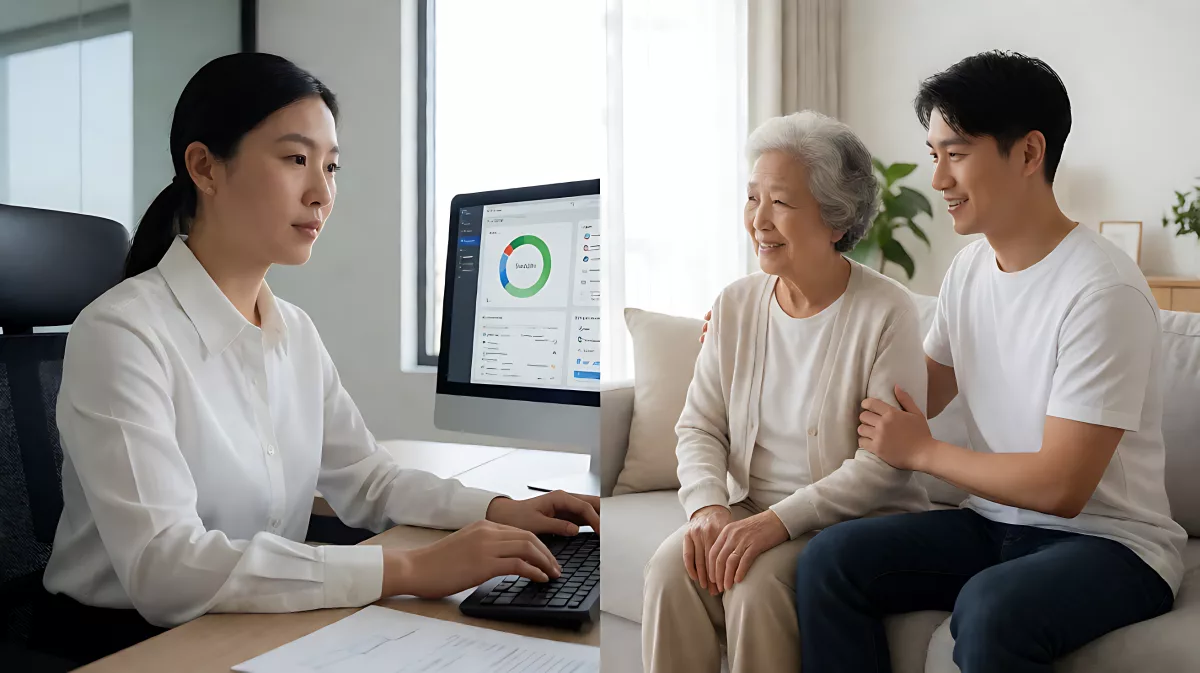
Feeling stuck in your current role? This guide explores two of the most dynamic sectors for a 2026 career change: high-growth digital marketing and the recession-proof senior care industry.
Switching careers in 2026 is often driven by the search for financial stability or professional fulfillment. Two of the most promising paths for a successful transition are digital marketing and senior care. Digital marketing offers high growth potential in a data-driven economy, while the senior care sector provides recession-resilient opportunities fueled by demographic shifts. Choosing between these fields depends on whether you prefer a tech-oriented, performance-based environment or a service-oriented, human-centric role.
Why Digital Marketing Remains a Top Choice for Career Changers
Digital marketing has evolved into a cornerstone of the global economy, allowing professionals from diverse backgrounds to pivot into high-demand roles. Unlike many traditional industries, this sector values practical skills and measurable results over years of theoretical experience. In 2026, the integration of artificial intelligence and advanced analytics has made the role of the digital marketer more strategic, requiring a blend of creative thinking and data interpretation.
What are the specific benefits of moving into digital marketing?
The primary advantage is scalability. A skilled digital marketer can manage campaigns for small local businesses or multinational corporations, giving them unique leverage to negotiate salaries. Industry surveys suggest that a significant portion of the workforce remains dissatisfied with their current roles, and many view marketing as a gateway to better compensation. The sector's growth rate has been robust, outpacing traditional office roles because every business, regardless of size, now requires an online presence. Training programs have adapted to this demand, offering curricula that cover everything from search engine optimization to social media personal branding and paid advertising platforms.
How the Senior Care Industry is Reshaping Job Security
While digital marketing thrives on technology, the senior care sector is powered by an undeniable demographic reality. The generation of baby boomers is reaching their mid-70s, creating what experts call a wave of demand for home-based healthcare. This segment of the economy is distinct because it is relatively immune to economic downturns. Even during recessions, families prioritize the safety and care of their elderly relatives, ensuring that demand for home health aides and care coordinators remains steady.
Is the senior care market big enough to support a long-term career?
The market size is projected to exceed seventy billion dollars annually in the United States alone, with expectations of continued growth through 2030. For career switchers, this means a vast array of opportunities ranging from direct care provision to business ownership. Franchise models have become particularly popular, allowing individuals to transition from corporate employees to business owners who manage local care teams. This path offers a dual benefit: the financial upside of business ownership and the social impact of improving the quality of life for older adults.
Which Path Suits Your Long-Term Goals?
Selecting the right path requires an honest assessment of your personality and financial goals. Digital marketing suits those who thrive in fast-paced, competitive environments and enjoy mastering new software tools. It is a field where your income can often scale directly with your performance. Conversely, senior care appeals to individuals who find meaning in direct human connection and prefer a sector with lower volatility. It is a stable, growing field where the need for services is guaranteed by the aging of the population.
For many, the decision is not absolute. A background in business or management can be valuable in both fields. For example, the University of Manchester's global MBA program, which was highly ranked in recent international surveys, prepares mid-level professionals to lead organizations. Alumni from such programs often cite that the strategic thinking they developed helps them manage complex teams, whether in a marketing agency or a healthcare franchise.
How Can You Prepare for a Smooth Transition?
Regardless of the field, preparation is key. For digital marketing, focus on building a portfolio. Online courses are widely available and cover the essentials, from website fundamentals to marketing analytics. Look for programs that include interview coaching and personal branding strategies. In senior care, business acumen is critical. If you are considering owning a franchise, review the operational requirements and the support structures provided by the parent company. Networking is also vital in both sectors; connecting with current practitioners can provide insight into the day-to-day realities of the job.
FAQs About Career Switching in 2026
Is it too late to switch into digital marketing if I am over forty?
No, age is rarely a barrier in digital marketing. The industry values adaptability and results over youth. Many professionals switch in their forties and fifties, leveraging their existing industry knowledge to become niche specialists. Your experience in another field can actually make you more valuable to clients who need someone who understands their specific market.
What is the earning potential in the senior care business?
Earning potential varies greatly depending on whether you work as an employee or an owner. The industry is valued at over seventy billion dollars, indicating significant revenue. For franchise owners, profitability depends on location and management efficiency, but the consistent demand from the aging population provides a solid foundation for sustainable income.
Can I transition to these fields without a degree change?
Yes. Both fields rely heavily on practical skill acquisition. Digital marketing skills are often learned through certifications and hands-on experience. In senior care, while some administrative roles prefer degrees, many operational roles focus on training and licensing. Business leadership courses can complement your existing education without requiring a complete educational restart.
Which sector is more resilient to AI automation?
Senior care is generally considered more resistant to automation because it involves complex, unpredictable human interactions that require empathy and physical presence. While AI tools are transforming digital marketing by automating ad placements and content creation, the strategic and creative aspects of marketing still require human oversight. Both sectors will integrate AI, but the nature of the work in senior care makes full automation unlikely in the near future.