Careers in Senior Care: Salary, Skills, and Growth Prospects
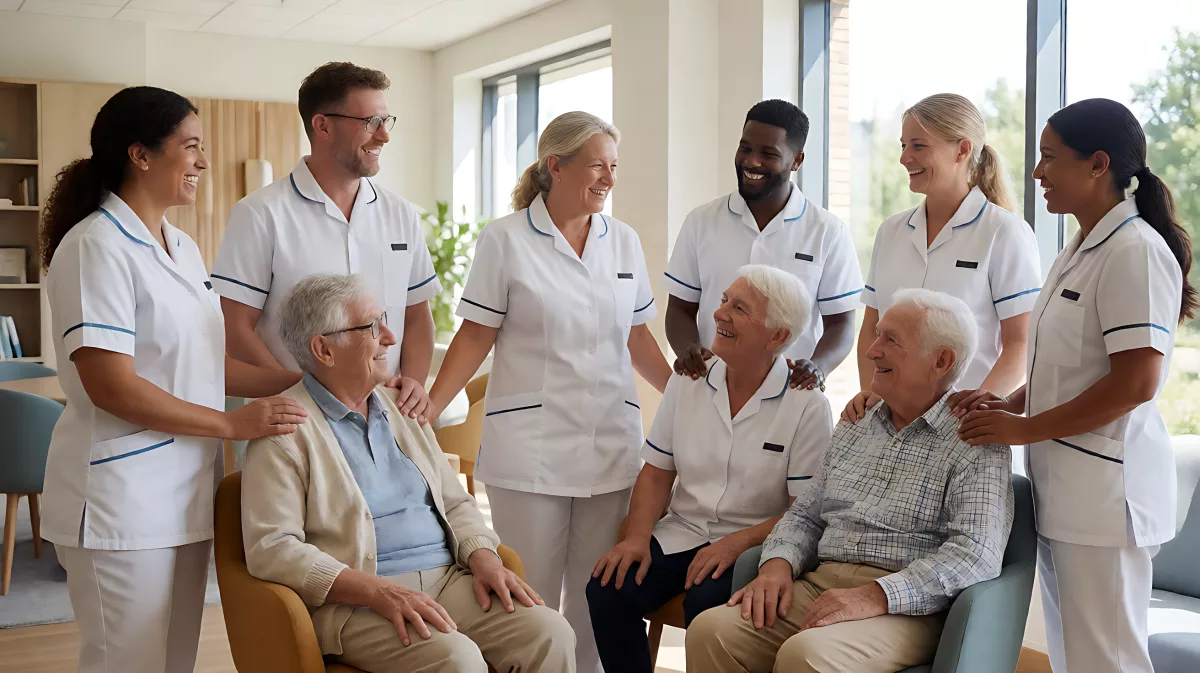
The senior care sector is expanding rapidly due to demographic shifts. This guide covers the skills needed for success in eldercare, financial incentives like scholarships, and why this field remains stable even during economic downturns.
A career in senior care offers stable employment and meaningful impact as the global population ages. The demand for healthcare professionals specializing in eldercare is projected to grow significantly through 2030 and beyond, driven by the large Baby Boomer generation reaching their peak care years. This field provides recession-resistant job security and numerous pathways for advancement in nursing, social work, and community management.
Why is senior care a promising career choice in 2026?
The demographic landscape is shifting dramatically. As of 2026, the number of individuals aged 65 and older continues to rise, creating a sustained need for in-home care and community-based services. Industry analysts note that the senior care sector has become a multi-billion dollar market, with estimates suggesting the industry value has surpassed $70 billion annually in the United States alone. This growth is not just a trend; it is a structural change in society that ensures long-term job stability for those entering the field. Unlike many other sectors that fluctuate with consumer spending, the need for healthcare and personal assistance does not disappear during economic downturns. This resilience makes eldercare a smart financial bet for early and mid-career professionals looking for consistency.
What specific skills are required to succeed in eldercare?
Success in this field goes beyond medical knowledge. It requires a unique blend of emotional intelligence, logistical planning, and technical proficiency. Professionals must be able to navigate complex ethical and legal landscapes while maintaining the dignity of their clients. Below are the core competencies that define a strong senior care professional:
- Communication and Empathy: The ability to listen actively and speak clearly is vital. Many seniors face sensory changes, so adapting communication styles is a key skill.
- Crisis Management: Caregivers must remain calm during emergencies, knowing exactly when to seek medical assistance and how to de-escalate stressful situations.
- Medication and Safety: Understanding dosage schedules, potential drug interactions, and fall-prevention protocols is essential for daily operations.
- Cultural Competence: Respect for diverse backgrounds and beliefs ensures care is personalized and appropriate for every individual.
- Autonomy Support: Professionals must strike a balance between providing necessary help and respecting the client's desire for independence and decision-making power.
How can financial aid support your education in gerontology?
For those pursuing degrees in nursing, social work, or health administration with a focus on aging, financial barriers are often a concern. Fortunately, numerous organizations offer dedicated funding to support this pipeline of talent. These scholarships help reduce the burden of student loans and encourage more people to enter the workforce.
| Scholarship Name | Focus Area | Eligibility |
|---|---|---|
| John A. Hartford Foundation | Geriatric Medicine and Nursing | Students in geriatric medicine or nursing programs |
| Gerontological Society of America | Aging and Gerontology Studies | Graduate students in related fields |
| Health Resources and Services Administration | Healthcare Careers | Students focusing on underserved populations, including the elderly |
| Kott Gerontology Scholars Program | Advanced Aging Research | Individuals advancing the field of aging through internships |
| Seniorcare.com Aging Matters | Community and Care | Students who care for aging loved one or work in senior communities |
These programs are supported by major institutions such as the National Institute on Aging, which also offers research training and career development opportunities. By leveraging these resources, aspiring professionals can offset tuition costs and gain valuable early exposure to the field.
What role do professional networks play in career advancement?
In the scientific and medical fields, career mobility is often driven by personal connections rather than just job listings. Research indicates that early-career professionals who build international or national networks during their undergraduate years have a higher propensity for career mobility. These connections provide access to unadvertised opportunities and mentorship. Fellowships from organizations like the Alexander von Humboldt Foundation or the Marie Curie Schemes are excellent ways to trigger these connections. They allow researchers to move between institutions with relative financial security, fostering a global perspective that is highly valued in advanced healthcare roles.
How do economic cycles affect senior care employment?
The senior care industry is considered recession-resistant. While luxury goods and discretionary travel suffer during economic downturns, the need for medical care and daily assistance remains constant. Families continue to seek solutions for aging parents regardless of market conditions, proving the sector's stability throughout recent economic cycles.
Is a degree required for all senior care jobs?
Not all roles require a four-year degree. Many entry-level caregiver positions require certification and on-the-job training. However, roles in management, clinical supervision, and research typically demand advanced degrees in nursing, social work, or public health.
What are the main challenges in this career path?
The physical demands of the job, such as assisting with mobility and transfers, can lead to strain. Additionally, the emotional toll of witnessing decline can be significant. Burnout is a real risk, so professionals are encouraged to develop strong self-care routines and seek peer support.
How can I start my career in eldercare immediately?
You can begin by completing a home health aide certification, which is available in many community colleges and vocational schools across the US and UK. This entry point allows you to gain practical experience while studying for a higher degree if you wish to move into clinical or administrative roles later.