How to Accelerate Your Career: Job Search, Promotions & Changes
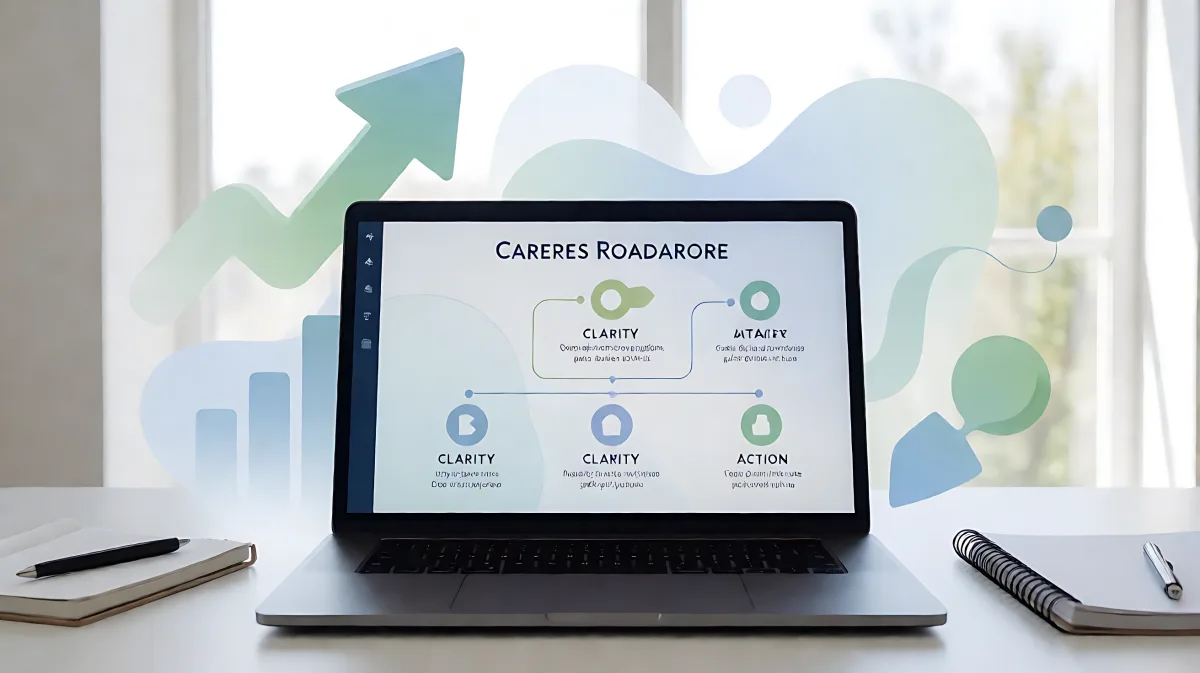
Modern careers are fluid. Learn how to navigate job hunting, secure promotions, or switch industries with data-driven strategies and expert coaching.
You can accelerate your career by aligning your skills with market demands, using data-driven job search tools, and mastering salary negotiation. Whether you are hunting for a new role, aiming for a promotion, or pivoting to a new industry, success comes from targeted preparation and strategic visibility rather than random applications.
Why the traditional job search no longer works
The landscape of professional mobility has shifted dramatically. In the past, careers often followed a linear path within a single company. Today, the average professional switches roles multiple times a decade, and industries like tech and healthcare evolve at a pace that makes skill obsolescence a real risk. A study on scientific mobility in Europe highlighted that legal frameworks and family contexts still dictate movement, but for private sector workers, the barrier is often information asymmetry and lack of targeted visibility.
Simply browsing job boards is inefficient. Instead, modern career strategies rely on AI-enhanced matching and human coaching. Platforms now offer tools that analyze your resume against specific job descriptions, ensuring your credentials pass automated screening systems. This is not just about keyword stuffing; it is about proving value. For instance, professionals who actively align their past achievements with the specific problems of a target company have a significantly higher interview rate.
How to prepare for a high-impact job search
Before you apply, you need a clear professional narrative. This involves two main steps: optimizing your documentation and targeting the right roles.
- Resume Optimization: Use automated tools to tailor your resume for each application. Highlight metrics, such as percentage increases in efficiency or revenue generated. A generic CV is less effective than a customized one that mirrors the language of the job posting.
- Targeted Applications: Focus on roles where your skills intersect with high-growth areas. If you are in marketing, look for roles requiring data analytics. If you are in engineering, highlight cloud-native experience.
- Network Activation: Recruiters frequently hire through internal referrals. Identify professionals in your target company who share your background and initiate meaningful conversations rather than asking for jobs directly.
Consider the statistics from major career platforms. Recent data suggests that over 11 million users worldwide are actively managing their career paths through digital companions. These tools track applications, suggest salary ranges, and even simulate interview questions. Utilizing these resources reduces the time spent on administrative tasks, allowing you to focus on the actual interview performance.
Strategies to land a promotion in your current role
Not every career move requires a job change. Many professionals stagnate because they do not clearly communicate their impact. To secure a promotion, you must shift from being a task-doer to a strategic partner.
What should you do to get promoted?
Start by documenting your value. Keep a running log of achievements, quantified where possible. For example, instead of saying "I managed the project," say "I led a cross-functional team to deliver the project two weeks early, saving the company approximately $50,000 in operational costs."
Next, align your goals with business objectives. During performance reviews, discuss how your next step directly benefits the company's bottom line. If you are aiming for a leadership role, demonstrate you have already been acting as a leader by mentoring junior colleagues or streamlining workflows without being asked.
Salary negotiation is also a critical component of career advancement. Do not accept the first offer. Research market rates using salary analyzers that compare your role against industry standards in your region. Data from career platforms indicates that professionals who negotiate their compensation routinely see income increases of 5 to 15 percent over the first few years post-negotiation.
How to manage a successful career change
Changing careers is one of the most significant decisions a professional can make. It requires a risk assessment of your transferable skills. You likely possess more relevant experience than you think. For example, a teacher transitioning to corporate training utilizes communication, curriculum development, and public speaking skills. A nurse moving to healthcare administration applies patient flow management and regulatory knowledge.
To make the switch less risky, follow a phased approach:
- Skill Gap Analysis: Identify the hard and soft skills required in your target field. Use online assessments to benchmark your current level.
- Bridge Roles: Look for positions that sit at the intersection of your current and desired industries. These roles allow you to learn the new field while retaining your income.
- Certifications: In many sectors, short-term certifications can signal your commitment and up-to-date knowledge to employers.
Research into skilled migration and mobility shows that individuals with strong professional networks are more likely to transition successfully. Engage with communities of practice in your target field. Attend webinars, join professional associations, and contribute to online discussions to build credibility before you formally apply.
FAQ
How many resumes do successful job seekers create?
While specific numbers vary by platform, top performers often maintain 2 to 3 versions of their resume: a master version, a tailored version for the target role, and a condensed one-page summary. The key is customization, not volume.
Is it better to change jobs or get a promotion?
It depends on your growth ceiling. If your current company has a flat structure or slow pay raises, a job change typically offers faster salary growth. However, internal promotions provide stability and institutional knowledge. Compare the speed of growth in both scenarios before deciding.
How important are AI tools in the job search?
Very important. Most large companies use applicant tracking systems (ATS) that scan resumes for keywords. Using AI tools to optimize your resume ensures it passes this initial filter, significantly increasing your chances of being seen by a human recruiter.
What is the best time to change careers?
There is no single "best" time, but industry standards suggest early in the year (January to March) for job applications, as companies set new budgets. For career changes, it is often wise to wait until you have secured a new role or have a financial cushion of six months to reduce pressure during the transition.