How to Build Cognitive Reserve for Healthy Aging
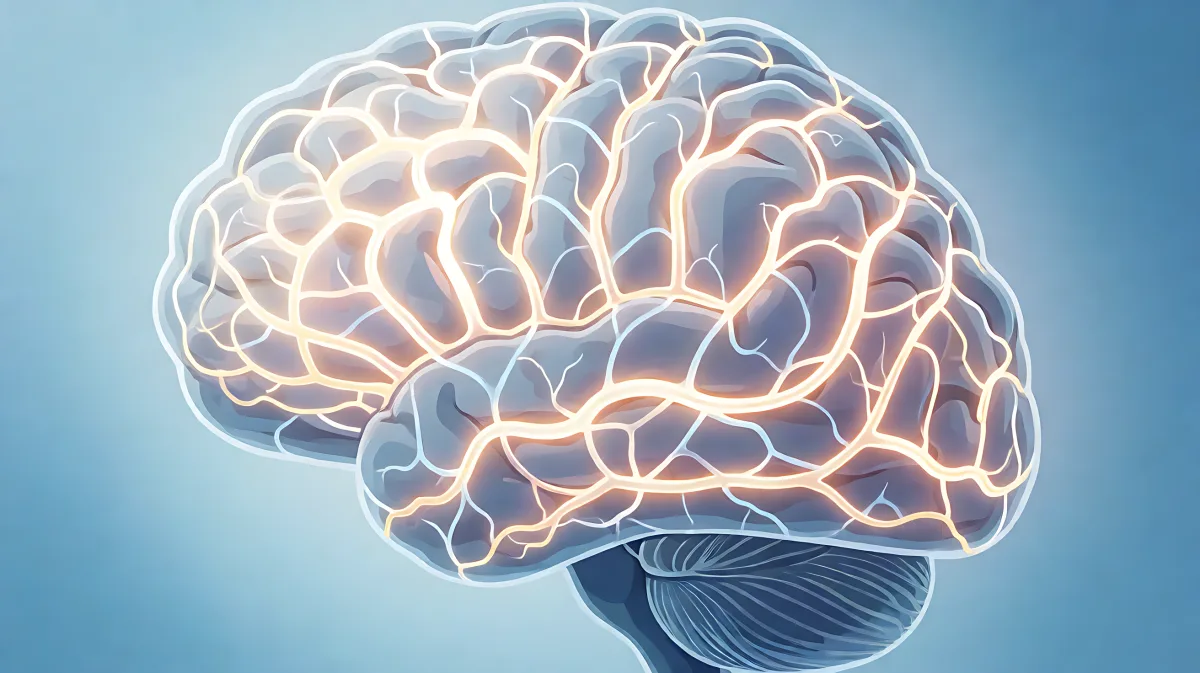
Cognitive reserve is your brain’s ability to improvise and maintain function despite age-related changes. Discover actionable steps to build this resilience and keep your mind sharp.
Cognitive reserve is the brain’s ability to flexibly use alternative neural pathways to maintain mental function when facing age-related damage, stress, or disease. It acts as a buffer that allows individuals to remain cognitively sharp even if their brains show physical signs of aging. By actively building this resilience through lifelong learning and dynamic physical challenges, you can significantly delay the onset of cognitive decline and maintain independence well into older years.
What Is Cognitive Reserve and Why Does It Matter?
Many people assume that brain aging is inevitable and linear, but neuroscience reveals a more complex picture. Cognitive reserve refers to the brain's capacity to improvise and find new ways to get a job done. While brain reserve is the physical hardware you are born with, such as neuron count and brain size, cognitive reserve is the software. It is the adaptive machinery that allows your brain to recruit different networks when a primary route is blocked or damaged.
This concept explains why two people with similar levels of biological brain changes can have vastly different functional outcomes. Research led by Dr. Yaakov Stern, among others, has shown that individuals with high cognitive reserve can engage alternate neural networks to compensate for areas affected by conditions like Alzheimer's disease. Consequently, they may exhibit fewer symptoms of cognitive impairment for longer periods compared to those with lower reserve, even if the underlying pathology is similar.
How Does the Brain Build This Resilience?
Building cognitive reserve requires more than passive relaxation or routine mental maintenance. The brain needs to be challenged in ways that drive neuroplasticity, the physical remodeling of synapses. Standard advice often points to static puzzles, but recent insights suggest that these activities mainly deepen existing neural grooves rather than creating new backup routes. To truly build reserve, you need activities that induce mild frustration and novelty, forcing the brain to construct new connections.
The NIH-funded ACTIVE study, which tracked participants over 20 years, provided critical evidence for this approach. The research found that programs focused on speed of processing and adaptive challenges cut long-term dementia risk by up to 25%. This effect is driven by implicit learning, where the brain processes complex environments and reacts in real time, improving connectivity across the entire brain rather than just isolating specific memory centers.
What Are the Best Activities to Strengthen Cognitive Reserve?
To maximize your brain's resilience, you must combine cognitive load with physical movement and sensory engagement. The following strategies are supported by recent data on brain health and cognitive fitness:
- Complex Dance and Rhythm: A landmark study published in the New England Journal of Medicine found that regular dancing reduced the risk of dementia by 76%, a benefit significantly higher than that of reading. Dance forces the brain to recall sequences, navigate space, and process rhythm simultaneously, keeping it off autopilot.
- Agility and Reactive Training: Traditional linear cardio supports heart health but does not challenge the brain's processing speed. Agility drills, such as rapid direction changes or reactive sports like pickleball, demand intense visual-spatial processing and executive attention. These activities force the neuromuscular system to adapt to unpredictable targets.
- Novel Skill Acquisition: Learning a difficult, unfamiliar skill, such as a new language or a complex musical instrument, creates a "frustration deposit" in the brain. This struggle drives the formation of new synaptic density and structural resilience.
- Sensory Maintenance: Aggressively correcting mild hearing and vision loss is crucial. If the brain spends excessive energy decoding weak sensory signals, it has fewer resources available for building cognitive reserve and adaptive networks.
Harvard Medical School researchers also emphasize that these cognitive challenges work best when integrated into a broader lifestyle framework. Their model highlights six cornerstones for brain health: eating a plant-based diet, exercising regularly, getting enough sleep, managing stress, nurturing social contacts, and continuing to challenge the brain. These factors do not work in isolation; they function in concert to yield durable results.
Common Misconceptions About Brain Training
Many families assume that doing daily crosswords or sudoku puzzles builds cognitive reserve. The science suggests this is a partial truth. While these activities maintain existing pathways, they do not typically build new ones because they do not push the user out of their comfort zone. For true reserve building, the activity must involve a degree of novelty and cognitive load that causes mild frustration, compelling the brain to rewire and adapt.
Another misconception is that cognitive health is strictly a mental exercise. The cutting edge of longevity science shows that the most potent reserve builders involve cognitive-motor dual-tasking. This means combining physical movement with executive functions. For example, when performing Tai Chi or shadow boxing, the frontal cortex and cerebellum must maximize communication efficiency to navigate complex physical space while maintaining balance and spatial orientation. This dual demand creates a more robust neural web than mental exercises alone.
How Can You Implement a Cognitive Reserve Plan?
Implementing these changes does not require a drastic overhaul of your life, but it does require intentionality and consistency. Think of your cognitive reserve as a retirement account that you fund with daily habits. The following checklist provides a practical starting point for integrating these strategies into your weekly routine:
- Weekly Novelty: Dedicate one hour per week to learning something completely new, such as a basic coding concept, a new foreign language, or a musical instrument.
- Dual-Task Movement: Replace one standard workout with a reactive activity like ball sports, agility ladder drills, or structured dance classes.
- Sensory Check-Up: Schedule regular eye and hearing exams to ensure your brain is not expending unnecessary energy on decoding impaired sensory input.
- Social Engagement: Engage in complex social interactions, such as group discussions or collaborative projects, to stimulate multiple brain regions simultaneously.
- Stress Management: Incorporate mindfulness or stress-reduction techniques to prevent chronic stress from degrading cognitive flexibility.
Does cognitive reserve ever stop building?
No, the brain retains neuroplasticity throughout life. While the speed of learning may change, you can continue to build cognitive reserve at any age by engaging in novel, challenging, and multi-sensory activities. It is never too late to start investing in brain resilience.
What is the difference between cognitive reserve and brain reserve?
Brain reserve refers to the physical hardware of the brain, such as total volume and neuron count, which is largely determined at birth. Cognitive reserve is the software; it is the brain's efficiency in using that hardware and its ability to find alternative pathways when primary routes are compromised. You can improve cognitive reserve regardless of your baseline brain reserve.
Are static puzzles like crosswords useful for brain health?
Static puzzles are useful for maintaining existing neural pathways and providing mental engagement, but they are less effective at building new cognitive reserve because they lack novelty and do not typically push the user out of their comfort zone. To build significant resilience, dynamic and novel challenges are required.
How much dance or exercise is needed to see benefits?
While the landmark study highlighting a 76% risk reduction in dementia associated with dancing did not specify a minimum duration, consistency is key. Engaging in regular, structured activity that combines physical movement with cognitive challenge, such as weekly dance classes or daily agility drills, is recommended to maximize the benefits for cognitive flexibility.