Smart Home Guide 2026: Best Devices & Safety
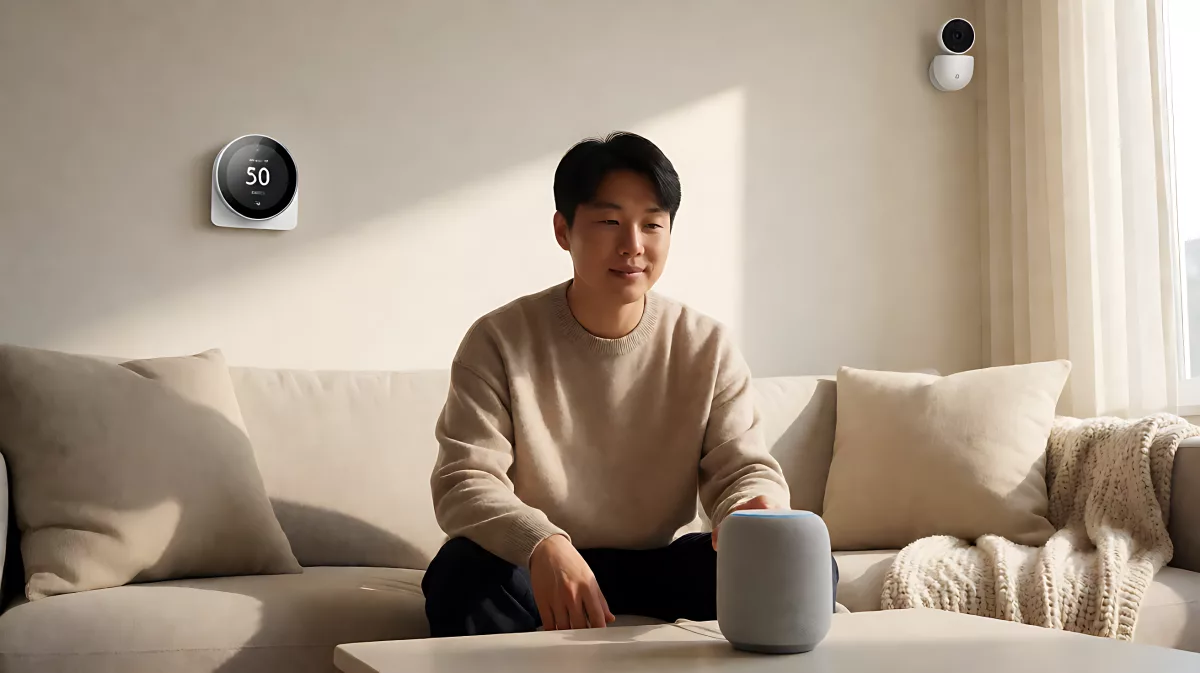
From enhancing daily comfort to protecting aging family members, this guide explores the latest smart home innovations. See how AI and connected devices work together to create a safer, more efficient living space in 2026.
A modern smart home blends seamless convenience with advanced safety, using AI-driven devices to manage energy, security, and even healthcare. In 2026, the focus has shifted from simple automation to proactive intelligence, where systems like those from Apple and Amazon predict needs rather than just reacting to commands. This article explores how to integrate top-tier hardware and AI monitoring to create a space that is both efficient and secure for all ages.
What defines a modern smart home setup in 2026?
The landscape of connected living has evolved significantly. It is no longer just about plugging in a light bulb; it is about creating an ecosystem where devices communicate to optimize your daily routine. Leading retailers and tech reviewers have highlighted that the best setups now prioritize interoperability and user privacy. According to recent industry analyses, consumers are looking for devices that save energy without sacrificing performance. A robust smart home typically begins with a central hub or a strong wireless protocol like Matter, which ensures that gadgets from different brands work together smoothly. This connectivity allows for automated lighting that adjusts to your presence and temperatures that regulate based on real-time weather data.
How do smart thermostats impact energy bills?
Smart thermostats are among the most impactful upgrades for energy efficiency. These devices learn your habits and adjust heating and cooling cycles to prevent waste. Data from energy management sectors suggests that optimized thermostat settings can reduce household heating and cooling costs by up to 15 percent. Major brands continue to release models that integrate with utility programs, allowing them to automatically shift usage to off-peak hours when electricity prices are lower. For residents in colder regions, this means a cozy home without the shock of a high utility bill at the end of the month.
Is AI-driven security the new standard for home protection?
Security is the primary concern for most homeowners, and in 2026, artificial intelligence has become the backbone of modern defense. Traditional motion sensors often triggered false alarms, but current systems use computer vision to distinguish between a pet, a delivery driver, and a potential intruder. Leading security firms report that AI-driven cameras now offer 99 percent accuracy in threat detection, drastically reducing unnecessary alerts. These systems can also detect non-intrusive hazards, such as smoke or water leaks, and notify you instantly via smartphone. The integration of thermal imaging is also becoming common, allowing devices to identify hidden heat sources that might indicate electrical faults or insulation failures.
What are the top security brands to consider?
When choosing security hardware, reliability and privacy are key. While many options exist, established names like Philips Hue for lighting and Eufy for cameras continue to dominate market share due to their strong emphasis on local data processing. This local processing means that video footage is often analyzed on the device itself rather than sent to a cloud server, which addresses privacy concerns. Consumers in the US and UK are increasingly favoring systems that offer end-to-end encryption, ensuring that even if the device is compromised, the data remains secure.
How can smart home technology support senior care?
A compelling trend in 2026 is the use of smart home technology for aging in place. Companies like SmartPeep have introduced non-intrusive AI monitoring systems designed specifically for seniors. These systems use Wi-Fi sensors and computer vision to detect anomalies in behavior without requiring the user to wear a bracelet or have live video streaming to staff. The technology identifies falls, periods of inactivity, or unusual absences from routine locations in the home. When an anomaly is detected, the system alerts a care team who can then contact the senior or dispatch emergency services. This approach allows older adults to maintain independence while giving their families peace of mind.
Does AI monitoring invade privacy?
Privacy is a major concern, but modern senior-care AI is designed to be discreet. Unlike standard security cameras that record video, these systems often use edge processing to analyze behavior in real-time and discard the raw data immediately. Only alert notifications are stored for investigation purposes. Studies on consumer trust indicate that families are more likely to adopt such technology when it is explicitly marketed as privacy-first, with no live streaming to third parties.
What mistakes should you avoid when installing smart devices?
Many homeowners make the error of buying devices from incompatible ecosystems. It is crucial to check compatibility standards before purchasing. Another common mistake is neglecting your Wi-Fi infrastructure. Smart homes rely heavily on stable internet connections, and a weak router can cause lag or disconnections in devices. Experts recommend upgrading to a mesh Wi-Fi system if your home is large. Additionally, do not overlook the importance of regular firmware updates. Manufacturers frequently release patches to fix security vulnerabilities, and failing to update your devices can leave your home open to cyber threats.
How much does a basic smart home cost?
The cost of upgrading a home varies widely. A basic setup with a few smart bulbs, a thermostat, and a doorbell can range from $150 to $300. A more comprehensive system, including multiple security cameras, smart locks, and a central hub, can cost between $1,000 and $2,500. Specialized systems for senior care or whole-home automation can exceed $5,000. However, these investments often pay for themselves over time through energy savings and reduced insurance premiums.
Frequently Asked Questions
Which smart home ecosystem is best for beginners?
For beginners, the Apple HomeKit or Amazon Alexa ecosystems are the most user-friendly. They offer extensive app support, easy setup, and a wide range of compatible devices. Both platforms support the Matter standard, ensuring that your investment will remain relevant as new devices are released.
Can smart home devices actually cause fires?
While rare, smart home devices can pose a fire risk if they are cheap, unverified, or used near flammable materials. According to safety research, the risk is low for certified devices from reputable manufacturers. It is essential to buy from trusted brands and ensure that plugs are not overloaded. Regular inspections of your smart devices for physical damage are also recommended.
Do I need a new router for a smart home?
You likely do not need a new router if you have a modern one, but you may need a mesh system. A mesh network covers larger areas and prevents dead zones, which is critical for devices like smart locks and cameras that must remain connected at all times. A standard router may struggle to handle the bandwidth required for multiple high-definition streams and simultaneous device connections.
Is AI monitoring suitable for dementia patients?
Yes, AI monitoring is particularly effective for dementia patients. These systems can detect unusual movement patterns that precede a fall or a wandering episode. Because the technology is non-intrusive and does not require the patient to interact with it, it is well-suited for individuals who may not have the cognitive ability to manage complex devices.
How can I secure my smart home network?
Secure your network by using a strong, unique password for your Wi-Fi and enabling two-factor authentication for your router. Disable WPS on your router, as it is a known security weakness. Additionally, keep all firmware up to date and isolate IoT devices on a separate guest network to prevent them from accessing your personal files and computers.