AI Voice Assistants for Senior Medication Reminders
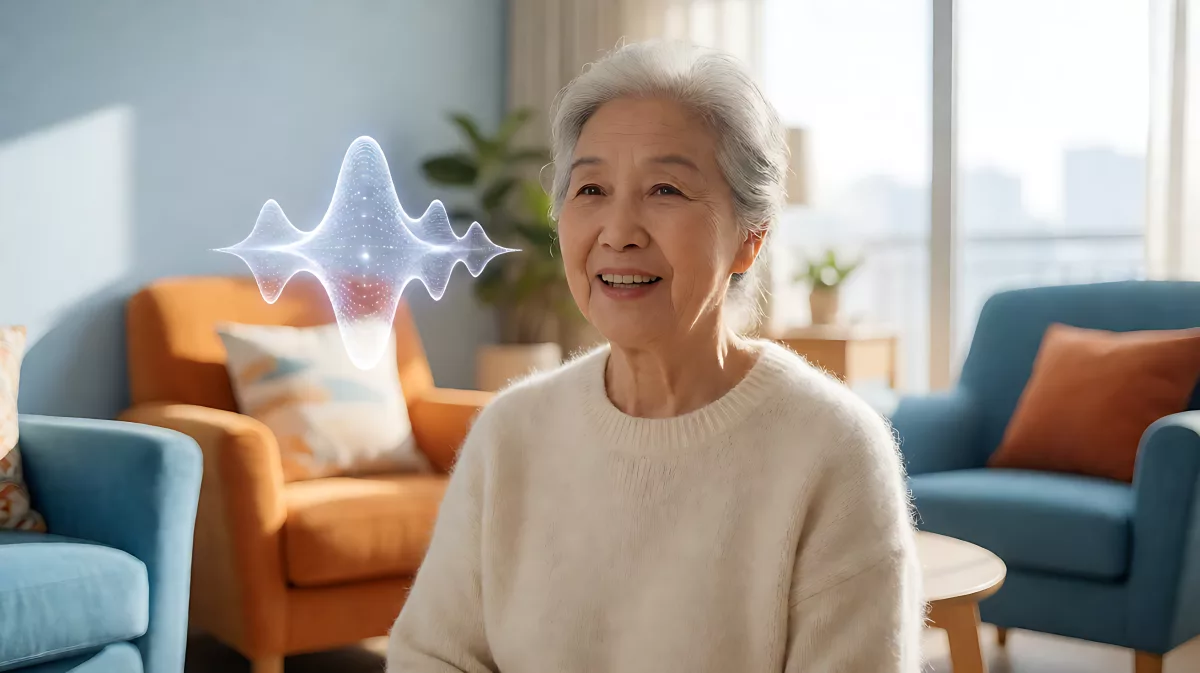
AI voice assistants are transforming elderly care by making medication reminders accessible and reliable. These tools help reduce missed doses, which account for a significant portion of preventable hospital admissions, while giving family members peace of mind through automated check-ins and alerts.
AI voice assistants are revolutionizing medication management for seniors by replacing complex app interfaces with natural, conversational phone calls and smart speaker interactions. By delivering reminders via voice, these systems ensure that older adults who may struggle with smartphones or vision issues can still manage their health reliably. This approach addresses a critical gap in healthcare, as missed doses remain a leading cause of preventable hospital admissions among the elderly. For caregivers, these tools offer a seamless way to monitor adherence without constant supervision, fostering independence while maintaining safety.
Why Voice-Based Reminders Are Essential for Older Adults
Technology often alienates the very people it is designed to help. For seniors, the barrier is not just access to smartphones, but the cognitive load required to navigate apps. According to data from the US Centers for Disease Control and Prevention, medication non-adherence contributes to approximately 125,000 deaths annually in the United States. A significant portion of this failure stems from the complexity of modern digital interfaces. Voice assistants bypass the need for typing, tapping, or visual focus. They allow users to interact through simple speech, making the system accessible to individuals with visual impairments, arthritis, or mild cognitive decline.
How Do AI Agents Interact With Users?
Modern AI voice agents do more than just beep or chime. They engage in two-way conversations. For example, a system like CareCob’s assistant, Grace, can call a senior at their medication time, ask if they have taken their dose, and listen for confirmation. If the user sounds confused or indicates they have not taken the pill, the system can repeat instructions or alert a designated caregiver. This conversation-based approach transforms a static alert into a dynamic check-in, capturing nuance that a simple phone alarm cannot. Organizations like Gnani AI have highlighted that voice interactions allow patients to express context, such as side effects or financial barriers, which can be flagged for clinical review.
The Core Benefits of Automated Voice Reminders
Implementing AI voice systems in elderly care yields measurable improvements in both health outcomes and caregiver well-being. The technology automates the most stressful part of family caregiving: the daily monitoring of medication intake.
What Are the Key Advantages for Health and Safety?
- Reduced Hospitalization Risk: Consistent dosing is critical for managing chronic conditions like diabetes and hypertension. AI systems ensure that doses are not missed due to forgetfulness, directly lowering the risk of acute health events.
- Early Warning Signs: Advanced voice recognition can analyze tone and speech patterns. If a senior sounds unusually tired, stressed, or disoriented during a check-in, the system can flag this for a human caregiver, providing early intervention before a crisis occurs.
- Caregiver Support: Family members no longer need to make daily phone calls to verify medication status. Real-time alerts are sent only when a dose is missed or a concerning pattern is detected, reducing the mental load on loved ones.
Comparing AI Voice Tools to Traditional Apps
While traditional medication apps like Medisafe or MyTherapy are useful for tech-savvy users, they often fail for the broader senior demographic. The following table compares the effectiveness of different reminder methods for older adults.
| Feature | Traditional Medication App | AI Voice Assistant |
|---|---|---|
| Interaction Method | Tap, type, swipe on screen | Speak, listen, converse via phone or speaker |
| Accessibility for Visual Impairment | Low (relies on screen text) | High (audio-first interface) |
| Confirmation Method | User taps 'taken' button | User replies to voice prompt; AI logs response |
| Caregiver Oversight | Requires app login and manual check | Automated alerts and dashboard updates |
| Learning Curve | Medium to High (menu navigation) | Low (natural language commands) |
AI voice solutions are particularly advantageous for seniors who do not own smartphones or who prefer traditional landlines. Systems can be configured to call any phone number, removing the hardware barrier entirely. Furthermore, AI agents can handle language accessibility, speaking in the user's preferred language, which is a significant feature for multicultural families.
Is a Smart Speaker Enough for Medication Reminders?
Devices like Amazon Alexa and Google Home are popular entry points. They allow users to say, "Remind me to take my blood pressure pill at 8 AM." However, they have limitations. They typically only work within the range of the speaker, meaning they do not alert the user if they leave the room. They also lack the conversational depth of dedicated AI agents; a smart speaker announces the reminder but does not ask for confirmation or analyze the user's response for health signals. For a robust safety net, dedicated voice AI services that call out to the user's phone offer superior coverage and data logging.
How Families Can Implement These Systems
Adopting AI voice technology for an aging relative requires a thoughtful approach. It is not about replacing human care but augmenting it with reliable automation.
Start by mapping out the senior's medication schedule. Identify which doses are critical and which are manageable if slightly delayed. Next, choose a platform that fits the senior's comfort level. If they are tech-friendly, a smart speaker setup might suffice. If they prefer simplicity or use basic phones, a service that places automated voice calls is more appropriate. Finally, establish clear protocols for escalation. Define who receives the alert if a dose is missed twice in a row. This ensures that the AI acts as a sentinel, but a human remains the primary decision-maker for health actions.
Privacy is also a paramount concern. Leading providers now host data on secure, encrypted clouds compliant with regulations like GDPR and HIPAA. Families should verify that the vendor they choose uses end-to-end encryption and does not sell personal health data.
FAQ
Can AI voice assistants detect if a senior is sick?
Yes, advanced systems can analyze voice patterns for indicators of fatigue, stress, or distress. While they do not provide a medical diagnosis, they can flag anomalies to caregivers, prompting a human check-in if the user sounds unwell during a routine medication reminder.
Do these systems work without a smartphone?
Absolutely. Many AI voice services can place calls to standard landlines or basic mobile phones. The interaction is fully voice-based, requiring no app installation, internet connection on the user's device, or digital literacy, making it highly accessible for non-technical seniors.
How accurate are the medication reminders?
Accuracy depends on the integration with the pharmacy or electronic health record. When properly configured, the system knows exactly what the patient is prescribed. The AI ensures the delivery of the reminder and the logging of the response, reducing the margin of error compared to human memory, which is prone to forgetting amidst daily distractions.
Is there a cost to using these AI services?
Costs vary by provider. Some smart speakers have a low upfront cost and no subscription. Dedicated AI care platforms often operate on a subscription model, ranging from free basic tiers for personal use to enterprise plans for care facilities that include advanced analytics and multi-user dashboards. Families should look for free trials to test the fit before committing to a paid plan.