AI Medication Reminders: How to Improve Adherence
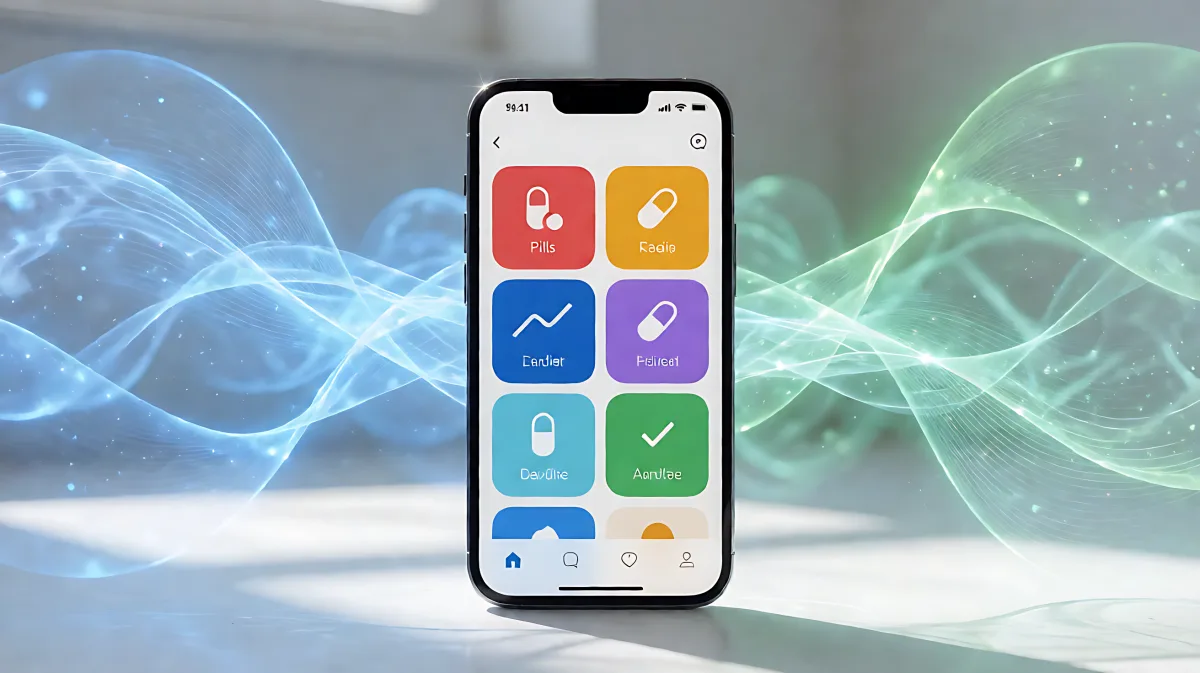
AI medication reminder apps go beyond simple alerts. Learn how smart health tools track doses, monitor stock, support caregivers, and improve overall health outcomes through personalized reminders and real-time data.
AI-powered medication reminder apps now use smart algorithms to schedule doses, track adherence, and monitor health indicators in real time. These tools help users stay consistent with treatment plans while offering caregivers clear visibility into medication habits and refill needs.
How do AI reminder apps improve medication adherence?
Traditional pill reminders often fail because they lack context. They do not consider a patient's routine, missed doses, or stock levels. AI-driven apps solve this by analyzing user behavior and creating personalized schedules. For instance, if an app notices that a user consistently checks their phone at 7 a.m., it may schedule a morning reminder for that specific time. This approach makes reminders more likely to be noticed and acted upon. Additionally, these systems can flag potential drug interactions and adjust timing to avoid conflicts between different prescriptions.
What features should you look for in a smart medication app?
- Prescription Scanning: Advanced apps use artificial intelligence to extract details from doctor-prescribed documents. Users can simply take a photo, and the system automatically builds a schedule based on dosage and timing.
- Adherence Tracking: The app records when doses are taken or missed. It calculates an adherence score, which helps users and healthcare providers see trends over time.
- Stock Monitoring: Smart algorithms estimate remaining medication supply. The system sends alerts when it is time to refill a prescription, preventing gaps in treatment.
- Health Timelines: Some apps integrate lab results and vital signs. Users can upload blood test photos, and the AI extracts key data to build chronological graphs of health indicators like glucose or vitamin levels.
How do these tools help caregivers and families?
For families managing a relative's health, many AI platforms offer a "caregiver mode." This feature allows family members to monitor a loved one's medication habits remotely. The system tracks dose completion and can send alerts if a dose is missed or if the user's adherence score drops. This visibility helps caregivers intervene early, preventing potential health issues. Some apps also include a shared dashboard, which keeps everyone in the care circle informed without requiring constant phone calls.
What does the data say about AI-driven personalization?
According to an OECD report, failure to follow medical advice leads to a significant number of premature deaths in Europe annually. Studies also show that roughly half of all patients do not take their medication as prescribed. AI aims to close this gap by offering tailored interventions. In clinical trials, patients using AI-assisted adherence tools have shown improved medication self-efficacy. The technology uses predictive analytics to anticipate needs, making care more efficient and less error-prone. Organizations like Abbott have highlighted how AI can reduce medical errors and support better clinical decision-making.
Which specific tools are leading in this space?
Several platforms are pioneering this technology. For example, CareMan is an AI-powered medication management app that turns prescriptions into medication plans. It tracks adherence quality and monitors medication stock. Similarly, CareAI focuses on connected senior care, offering multilingual support and role-based access for care teams. These tools do not replace doctors but provide a steady stream of data that helps medical professionals make better decisions between visits. Medisafe is another example, which tracks patient progress and shares that information with healthcare providers to improve chronic illness management.
How does AI handle complex medication schedules?
Many people, especially seniors, take five or more medications at once. This complexity increases the risk of adverse drug events. AI systems are designed to manage this by analyzing the entire medication list. They identify potential conflicts and adjust schedules to ensure safety. Some systems also use wearable data, such as heart rate or sleep patterns, to determine the best time to take a specific medication. This level of personalization is difficult to achieve with manual tracking and helps ensure that each dose is taken at the most effective time.
Is it safe to rely on AI for health management?
These apps are designed to support care, not replace professional medical advice. They use privacy-conscious design to protect user data. AI outputs are generally supportive and informational, meaning the system suggests actions rather than making diagnoses. It is important to remember that in a medical emergency, users should always contact local emergency services. The goal of these tools is to prevent issues before they become emergencies by maintaining consistent and safe medication habits.
Frequently Asked Questions
Do AI medication apps work without a smartphone?
Most advanced apps require a smartphone for data syncing and AI processing. However, some services offer phone-based companions or simplified interfaces for seniors who do not use technology regularly. These systems can send reminders via standard calls or simple text messages, ensuring accessibility for all users.
How accurate are AI prescription scanners?
Modern AI scanning technology is highly accurate for standard handwritten and printed prescriptions. It extracts dosage, frequency, and duration with high precision. Users should always review the generated schedule to ensure it matches their doctor's instructions before relying on it for long-term management.
Can these apps track multiple users in a family?
Yes, many platforms offer caregiver or family modes. This allows a primary user to set up profiles for dependents or clients. The caregiver can then monitor adherence scores and receive alerts for missed doses, providing a centralized view of the family's medication needs.
What happens if a dose is missed?
The app typically logs the missed dose and may send a follow-up reminder a short time later. It also updates the adherence score and alerts designated caregivers if a pattern of missed doses is detected. This helps ensure that no critical medication is forgotten without anyone noticing.