AI Personalized Nutrition vs Generic Senior Diets: A Guide
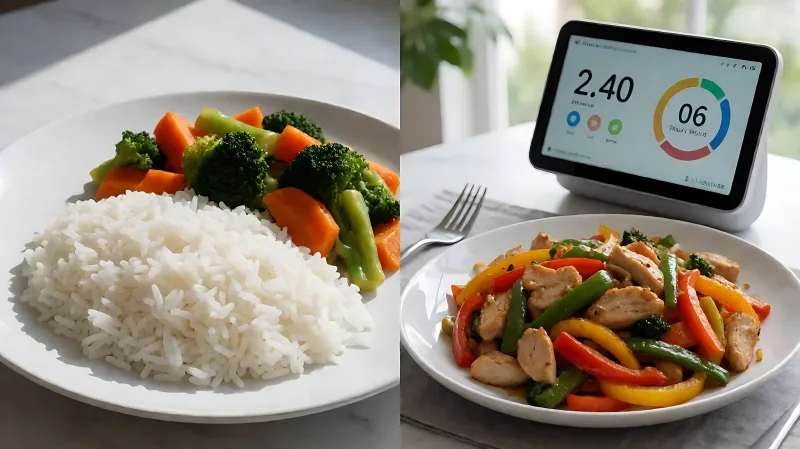
As aging populations grow, the debate between one-size-fits-all diets and AI-driven hyper-personalization is intensifying. Here is how new technology is tailoring nutrition to individual health needs.
AI-generated personalized nutrition plans outperform generic senior diets by tailoring meal recommendations to individual health data, reducing waste, and improving chronic condition management. While traditional diets follow standardized guidelines, AI systems dynamically adjust to biometric feedback.
Why generic senior diets are falling short
Traditional nutritional care in senior living facilities and at home has long relied on a one-size-fits-all model. These standard menus are designed to meet average caloric and nutrient requirements, but they often fail to account for the complex, overlapping health conditions common among older adults. Residents and patients frequently struggle with combinations of diabetes, heart disease, and kidney issues, making a static diet ineffective. According to the latest available data from Prime Source Expense Experts, generic menus often miss critical nutrient needs, leading to poor health outcomes and a lack of individualization that is difficult for care teams to manage manually. Staffing shortages in nursing homes exacerbate this problem, as human dietitians cannot constantly monitor and adjust meal plans for hundreds of residents in real-time.
How AI creates a truly personalized plan
Artificial Intelligence changes the approach by using machine learning to analyze vast amounts of individual data. Instead of guessing what a senior might need, AI systems process clinical lab results, wearable device metrics, and personal food preferences to generate unique dietary strategies. Startups like Suggestic, founded in California in 2014, use proprietary AI to allow users to swap meals based on continuous data from wearables and lab tests. This dynamic adjustment ensures that the diet remains aligned with the user’s current physiological state, rather than a snapshot from weeks ago.
What role do wearables play in this process?
Wearable technology is a key input for AI nutrition platforms. Devices that monitor blood sugar levels, hydration, and general wellness provide real-time data. AI systems can integrate this feed to adjust meal timing and content immediately. For instance, if a user’s glucose spike is detected post-meal, the AI can modify the next day’s carb content or suggest alternative foods with a lower glycemic index. This level of responsiveness is impossible with traditional manual meal planning.
Which companies are leading the charge?
Several startups are scaling rapidly in the AI nutrition space, bringing sophisticated tools to the consumer and healthcare markets. Season Health, headquartered in Texas and raised $43.6 million in funding, focuses on helping users manage chronic conditions through a combination of AI meal recommendations and advice from registered dietitians. Their latest funding round supported the acquisition of Wellory, aiming to make healthy eating more accessible. Similarly, BetterMeal AI, a California-based startup, uses AI to identify foods that heal specific gut issues and manage Type 2 Diabetes. Founded by Swathi Arulguppe Nagendra, the company aims to deliver personalized nutrition programs faster and at a lower cost than traditional methods.
What are the benefits for senior care facilities?
For nursing homes, AI offers more than just better nutrition; it improves operational efficiency. Predictive analytics can forecast food consumption patterns, allowing facilities to order ingredients more precisely and reduce waste. A system that automates meal planning frees up staff to focus on direct resident care and personal interaction. By taking over data-heavy tasks, AI acts as a tool to empower caregivers rather than replace them. The technology also helps maintain a personal connection by allowing dietitians to use AI-generated insights to make informed, human-guided decisions.
| Feature | Generic Senior Diet | AI-Generated Personalized Plan |
|---|---|---|
| Input Data | Age, basic health status | Genomics, lab tests, wearables, preferences |
| Adjustment Speed | Weekly or monthly review | Real-time or daily |
| Chronic Condition Support | Standard restrictions | Targeted molecular level interventions |
| Waste Reduction | Static ordering | Predictive analytics |
Does AI guarantee better health outcomes?
While AI enhances the precision of nutritional care, it is not a standalone cure. The technology improves the probability of meeting nutritional targets and managing conditions like kidney disease or diabetes. However, adherence and individual biological variability still play significant roles. The goal of these platforms is to reduce the trial-and-error phase of dietary management, providing a more tailored start that can be fine-tuned by medical professionals.
What should you look for in an AI nutrition service?
When selecting an AI-based nutrition plan, especially for seniors or those with chronic conditions, look for services that integrate with clinical data. Companies like EatLove, which raised $2.5 million in a seed round before 2026, focus on making good nutrition accessible by offering dynamic meal recommendations that can be mixed and matched based on family or individual needs. It is also important to verify that the AI system works in conjunction with registered dietitians or medical professionals. The technology should serve as a decision-support tool, not a replacement for human judgment. Ensure the platform has clear data privacy policies, as it will be handling sensitive health information.
Frequently Asked Questions
Can AI handle dietary restrictions and allergies?
Yes, AI systems can learn specific exclusions and allergies. Platforms like Suggestic allow users to exclude specific foods from their meal plans, and the AI automatically adjusts the remaining recommendations to ensure nutritional balance is maintained without the forbidden items.
How much does a personalized AI diet plan cost?
Costs vary significantly. Consumer-facing startups may offer plans for a one-time fee of $37 or subscription models, while enterprise solutions for nursing homes and hospitals are priced based on the scale of implementation and integration with existing health records systems.
Is AI nutrition safe for elderly people with multiple conditions?
It is safe when used under medical supervision. AI platforms like Season Health connect users with registered dietitians who review the AI-generated recommendations. The technology provides the data-driven suggestions, but a human professional ensures the plan is safe and appropriate for complex medical histories.
Do I need a smartwatch to use these services?
While wearables enhance the personalization by providing real-time biometric data, many AI nutrition platforms can also work with static data such as clinical lab tests and self-reported preferences. However, the more data inputs the system has, the more accurate the dynamic adjustments will be.