Aging in Place Safety Retrofit: Complete Home Modification Guide
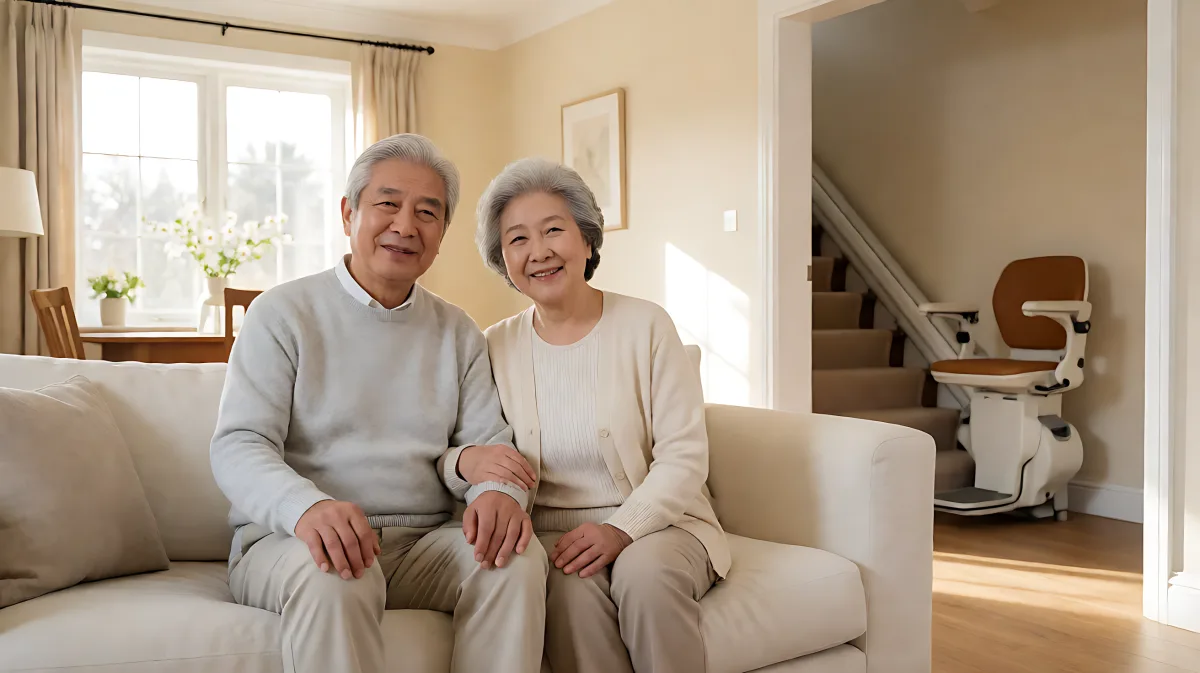
Stay independent and secure with these expert-backed home safety retrofits. From bathroom upgrades to smart monitoring, see how small changes create a safer living environment for older adults.
In 2026, more than 88% of older adults prioritize "aging in place" services, meaning they prefer to remain in their own homes for as long as possible. However, maintaining safety in an older home requires proactive modification. A professional safety retrofit involves updating structural elements, lighting, and technology to prevent falls and support mobility. By implementing targeted changes like installing grab bars, widening doorways, and integrating smart monitoring systems, seniors can significantly reduce injury risks while preserving their independence and comfort in familiar surroundings.
Why Home Safety Modifications Are More Critical Than Ever
As the global population ages, the demand for safe, accessible living environments has surged. Falling is the leading cause of injury among older adults, yet many homes are not designed to mitigate this risk. According to data from the National Institute on Aging, more than half of all people aged 65 and older will fall each year, and one in four falls results in a serious injury. The shift toward aging in place is no longer just a preference; it is a strategic necessity for maintaining health and social connection.
Recent research from the Healthy Aging & Resilient Places Lab highlights that older adults view their homes as central to their identity and well-being. Studies conducted through The Gerontologist and the Journal of Applied Gerontology confirm that physical spaces fostering a sense of belonging and health are essential for mental and physical resilience. In 2026, this understanding has driven a boom in accessible home technologies and structural retrofits that go beyond basic compliance, focusing on user-centric design and proactive safety measures.
What Are the Top Structural Retrofits for Independence?
Structural changes form the backbone of any aging-in-place plan. These modifications address physical barriers that can limit mobility or increase fall risks. One of the most impactful updates is the installation of stairlifts, which allow residents to move between floors without straining their knees or backs. Similarly, widening doorways to a minimum of 32 inches is crucial for wheelchair and walker access, ensuring that hallways and entry points do not become bottlenecks.
Bathroom renovations are often the most critical, as this is where the highest number of falls occur. Converting a standard tub to a curbless, roll-in shower removes the high barrier that typically poses the greatest risk. For those opting to keep a tub, installing walk-in tubs with internal seats and rapid-drain features can greatly improve safety. Additionally, replacing standard toilets with raised seats that stand between 18 and 24 inches high makes sitting and standing significantly easier. Support frames and bidet attachments also help maintain hygiene and reduce strain on the hips and lower back.
- Stairlifts: Ideal for multi-story homes, these devices provide safe, automated vertical transportation.
- Curbless Showers: Eliminate the need to step over a high ledge, reducing trip hazards.
- Widened Doorways: Ensure smooth passage for mobility aids and emergency responders.
- Flooring Upgrades: Replacing slippery hardwood or tile with non-slip, anti-fatigue flooring in key areas.
How Can Smart Home Technology Improve Daily Safety?
Technology plays a vital role in the 2026 aging-in-place landscape. Smart home systems are no longer just about convenience; they are critical safety tools. Passive monitoring systems use radar and infrared sensors to track movement without invading privacy through cameras. These systems can detect falls, changes in routine, or prolonged periods of inactivity, alerting family members or medical professionals immediately.
Voice assistants and automation routines are also becoming standard in senior households. For instance, automated lighting that turns on in response to movement in dark hallways or bathrooms can prevent trips in the middle of the night. Door sensors can monitor whether a resident has opened the front door to check for mail, a simple metric that can indicate a day of normal activity. According to industry leaders in smart home automation, creating these "routines for safety" provides peace of mind for both the resident and their caregivers. The integration of these devices is becoming more seamless, with many systems now operating on a single, easy-to-use dashboard that family members can access remotely.
What Financial Options Exist for Funding These Upgrades?
The cost of a comprehensive safety retrofit can vary widely, but understanding the available financial support is the first step. Many home modifications, when prescribed by a physician to mitigate a specific disability, may qualify for tax deductions as medical expenses. In the United States, families can often claim these costs on their tax returns if they exceed a certain percentage of their adjusted gross income. In the United Kingdom, similar allowances may be available through disability living allowances or specific housing grants.
Beyond individual tax benefits, various grant programs and insurance policies now cover accessible home modifications. Reverse mortgage programs, such as those offered in the US market, allow homeowners over the age of 62 to convert home equity into cash for improvements. Additionally, some health insurance plans and Medicare Advantage programs are beginning to cover non-skid mats, grab bars, and portable toilets, recognizing them as preventive healthcare rather than just home repairs. It is advisable to consult with a financial planner or a certified aging-in-place consultant to navigate these options fully.
How Do You Prioritize the Safest Home Changes?
Not every retrofit needs to be done at once. A staged approach is often more manageable and less disruptive. Start by conducting a thorough home assessment, ideally with a professional who specializes in accessibility. Identify the most hazardous areas first—usually the bathroom and stairs. After addressing these critical zones, move on to lighting, flooring, and technology integration.
Consider your future mobility needs, not just your current ones. A stairlift installed in a single-story home today may become essential in five years. Likewise, smart monitoring systems can be scaled up over time as needs change. The goal is to create a home that is not only safe for today but resilient for the future. Remember that aging in place is about maintaining a lifestyle, not just a location. The right combination of physical modifications and digital support ensures that your home remains a place of thriving, not just sheltering.
Frequently Asked Questions
What is the most effective modification to prevent bathroom falls?
Installing grab bars near the toilet and in the shower, combined with non-slip flooring and a raised toilet seat, are the most effective immediate steps. A curbless shower is the best long-term investment for those who use a wheelchair or have limited balance.
Are stairlifts worth the investment for a two-story home?
Yes, if the resident or their visitors have difficulty navigating stairs. Stairlifts significantly reduce the risk of falls and allow older adults to maintain their independence. Costs are often offset by the increased home value and the ability to remain in the home longer.
How can I pay for these safety retrofits?
You can use a combination of personal savings, home equity loans, and specific tax deductions for medical home modifications. Check with your health insurance provider, as some accessible devices and installations may be covered under preventable care benefits in 2026.
Do smart monitoring systems invade my privacy?
Modern passive monitoring systems use radar and infrared technology rather than cameras. They track movement and falls without recording video, ensuring that your privacy is protected while still providing essential safety alerts to your designated contacts.