Best Adaptive Smart Home Devices for 2026
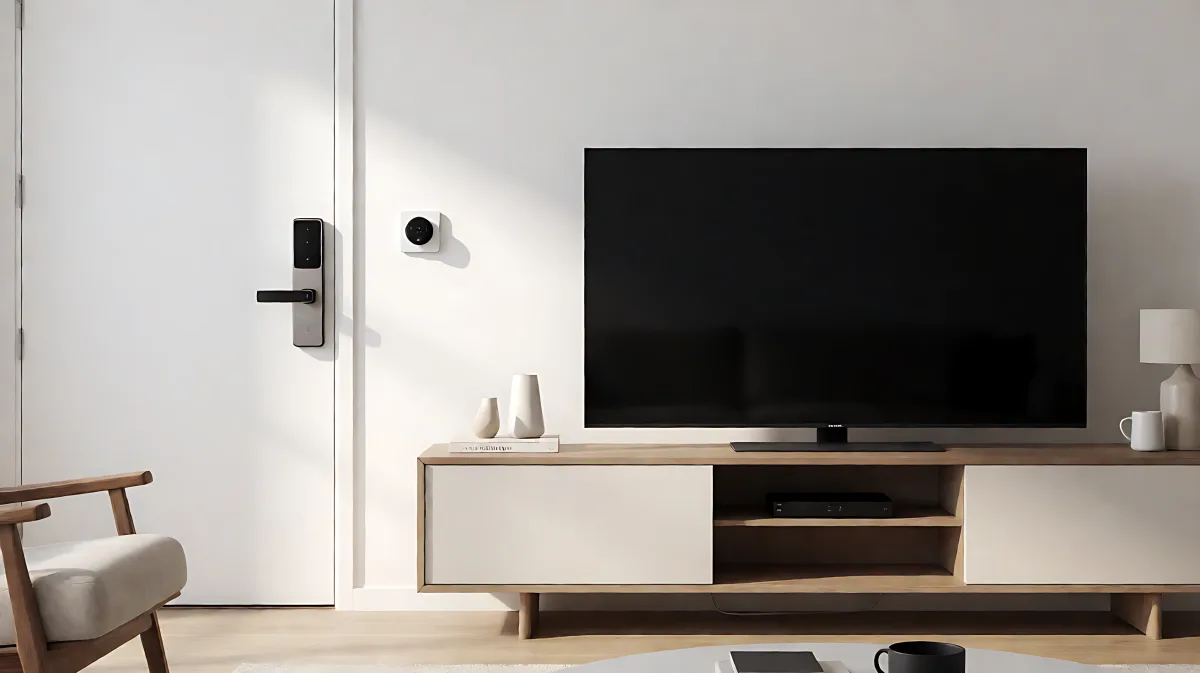
Smart home tech is shifting from rigid setups to adaptive ecosystems. Learn how new devices from Aqara and Shelly, along with modern smart TVs, tailor automation to your daily routines without heavy cloud dependence.
Adaptive smart home devices are redefining living spaces in 2026 by moving beyond static commands to dynamic, context-aware automation. Unlike older systems that require rigid scheduling, today’s leading hardware uses local processing and spatial intelligence to adjust lighting, temperature, and security in real-time based on your actual presence and habits. This shift prioritizes responsiveness and privacy, allowing ecosystems from major manufacturers like Aqara and Shelly to operate efficiently without mandatory cloud subscriptions. For homeowners in the US and UK, this means a home that anticipates your needs, from unlocking doors as you approach to optimizing energy use, all while keeping data local to your network.
What Makes a Smart Home Device Truly Adaptive?
The core difference in current-generation hardware is the move from simple connectivity to spatial awareness. Traditional smart devices often acted on a single trigger, such as a timer or a manual app command. Adaptive devices, however, integrate multiple sensor inputs to understand the context of a room. For instance, new sensor models now combine presence detection with environmental data to determine if a light should stay on, dim, or turn off entirely. This level of granularity is what allows a smart home to feel intuitive rather than automated in a mechanical sense. The focus in 2026 is on local processing, where the 'brain' of the automation sits on your home hub rather than a distant server, ensuring faster response times and greater user control.
How Do Aqara’s New Devices Enhance Home Adaptability?
Aqara has positioned itself as a leader in privacy-conscious, high-precision automation. Their recent releases, such as the Spatial Multi-Sensor, are designed to expand coverage without sacrificing personal data security. By using local AI processing, these sensors can map a room’s usage patterns and trigger adjustments to lighting or climate control with high accuracy. Aqara’s ecosystem emphasizes that no subscription is required for core functions, a significant selling point for users tired of monthly cloud fees. The company’s new thermostat hubs also adapt to individual comfort preferences, learning optimal temperatures over time. This adaptability extends to their smart locks, which now feature approach-based unlocking, adjusting security levels based on whether the homeowner or a stranger is detected near the door.
Are Aqara Devices Compatible with Major Smart Assistants?
Yes, Aqara maintains strong integration with major platforms including Apple Home and Google Home. Their hardware supports the Matter protocol, which acts as a universal language for smart home devices, ensuring that Aqara sensors and locks can communicate seamlessly with other brands’ hubs. This interoperability is crucial for creating a cohesive adaptive environment where devices from different manufacturers work together. The US market benefits from this widespread compatibility, allowing users to build a mixed-ecosystem home that prioritizes ease of use and advanced automation features without being locked into a single vendor’s platform.
What Role Does Shelly Play in Local Automation?
While Aqara focuses on polished consumer hubs, Shelly is known for its flexibility and strong local-first approach, particularly popular among DIY enthusiasts and tech-savvy homeowners. The Shelly ecosystem supports a wide range of devices, from simple plugs to advanced energy monitors and climate controllers. In 2026, the community and developer support for Shelly continues to grow, with libraries and tools that allow users to monitor and control devices entirely within their local network. This means that even if the internet goes down, your lights, switches, and sensors remain functional. Shelly devices are particularly useful for retrofitting older homes with smart functionality without requiring major rewiring. They support protocols like MQTT and WebSockets, enabling sophisticated, custom automation logic that can adapt to very specific user needs.
Can Shelly Devices Work Without the Internet?
Absolutely. One of the primary advantages of Shelly hardware is its ability to run locally. By using mDNS and MQTT discovery, devices can find each other on your local network and exchange status updates without any cloud dependency. This ensures reliable operation and enhanced security, as data does not leave your home router. For users in the UK and US, this local control is increasingly appealing as a way to mitigate privacy concerns associated with cloud-connected home systems. The ability to coexist with cloud apps while retaining local control offers the best of both worlds: convenience when online, and reliability when offline.
How Are Smart TVs Becoming More Adaptive?
Adaptability isn’t limited to sensors and switches; it extends to major display technology. Modern smart TVs, such as the Hisense Mini LED models available in 2026, use AI engines to adapt to viewing conditions and content in real-time. These TVs feature AI upscaling that improves standard definition content to near-4K quality and adjust brightness automatically based on ambient light to save energy. Gaming modes adapt frame rates to match consoles, ensuring tear-free performance. While these are primarily entertainment devices, their adaptive capabilities contribute to the overall smart home experience by integrating with other media devices and responding to room lighting. The inclusion of features like Filmmaker Mode allows the TV to adapt its display settings to match the original intent of the content creator, providing a more authentic viewing experience.
Do Smart TVs Connect with Other Smart Home Devices?
Yes, modern smart TVs often serve as a central hub for entertainment and control. They can be integrated with voice assistants like Alexa or Google Assistant, allowing users to control lights, thermostats, and cameras using their voice. This centralization makes the TV a key adaptive device, as it can dim when the user requests 'movie mode,' which might also trigger curtains to close and other lights to turn off. The synergy between high-end display technology and smart home automation creates a more immersive and responsive living environment.
What Are the Benefits of Privacy-First Smart Homes?
As adaptive technology becomes more sophisticated, the risk of data misuse grows. This has led to a significant shift toward privacy-first devices in 2026. Manufacturers like Aqara and Shelly highlight local processing as a key feature, ensuring that sensitive data such as movement patterns and entry logs remain on the user's hardware. This approach not only enhances security but also improves reliability. When data is processed locally, there is no latency caused by internet round-trips, making the home feel more responsive. For consumers in the US and UK, choosing privacy-first devices means having greater control over their personal information while still enjoying the convenience of automation. It is a move away from the 'free service in exchange for data' model that dominated the early days of the smart home industry.
FAQ
Are adaptive smart home devices expensive?
Prices vary widely, but many core adaptive devices like sensors, plugs, and locks are now available at accessible price points. While premium hubs and multi-sensor systems can be a larger initial investment, they often eliminate the need for expensive cloud subscriptions. Over time, the energy savings from adaptive lighting and heating, along with the convenience, can offset the initial cost. In 2026, the market offers options for every budget, from basic DIY retrofit kits to full-suite professional installations.
Do I need a hub for my smart home?
It depends on your setup. Simple devices like Wi-Fi plugs may work directly with your router, but for advanced adaptive features and local control, a hub is recommended. Hubs like those from Aqara or Shelly create a local backbone that ensures devices communicate quickly and reliably. A hub also allows you to create complex routines that combine multiple sensor inputs, making the system truly adaptive rather than just reactive. Without a hub, you may be limited to cloud-dependent commands, which can be slower and less secure.
Can I mix brands in my smart home?
Yes, thanks to the adoption of the Matter protocol, it is easier than ever to mix brands. Devices from Aqara, Shelly, and other major manufacturers can now communicate on a common standard. This allows you to use the best device for each task—for example, a Shelly plug for a lamp and an Aqara lock for the front door—while managing them all through a single app or voice assistant. Interoperability is a major driver of the 2026 smart home market, ensuring that consumers are not locked into a single ecosystem.
What is the advantage of local-only smart devices?
Local-only devices offer superior reliability and privacy. Because they do not rely on an internet connection to function, they continue to work during internet outages. Additionally, keeping data local means that your personal information about your home habits is not stored on remote servers, reducing the risk of data breaches. For homeowners who prioritize security and control, local-first devices are the preferred choice in 2026.