Web Development Explained: Front-End, Back-End, and Modern Stacks
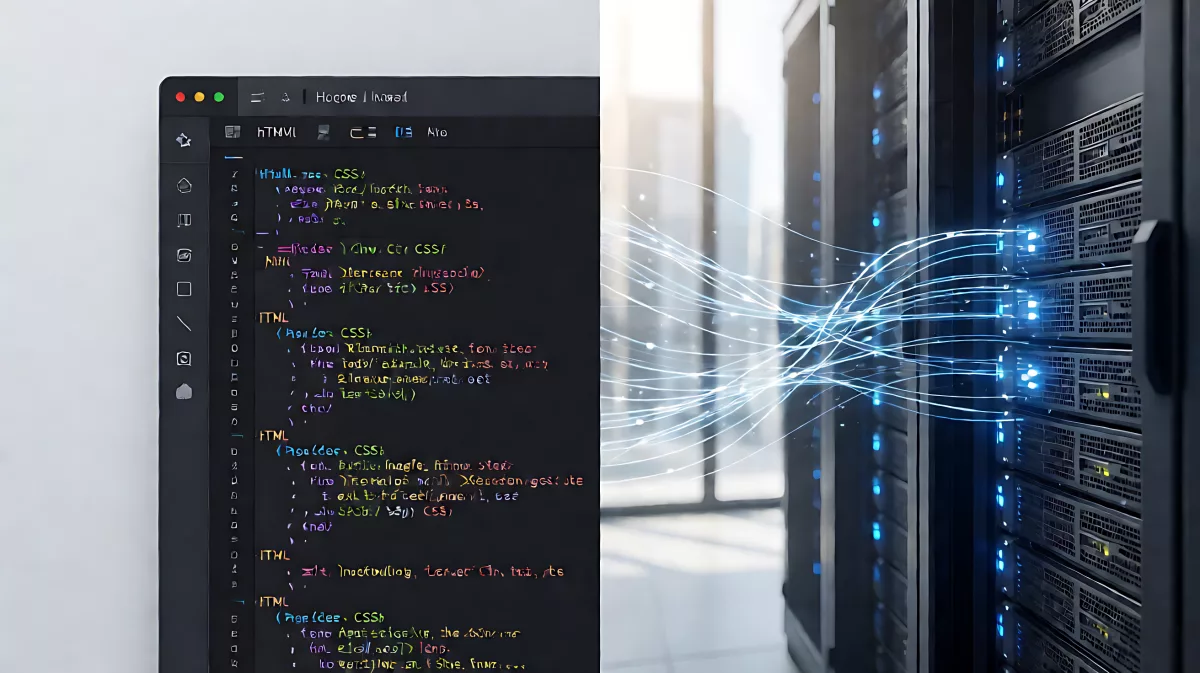
Web development is the process of designing, building, and maintaining websites and applications. It spans two main areas: front-end, which focuses on the user interface, and back-end, which handles server-side logic and data.
Web development is the end-to-end process of creating, designing, and maintaining websites and web applications. It involves writing code that runs in browsers (front-end) and on servers (back-end). As of 2026, it is a vast field that includes everything from static pages to complex, real-time interactive apps.
What does web development actually involve?
At its core, web development is about turning ideas into functional digital products. This goes far beyond just typing code. It includes visual design, user experience planning, and the technical infrastructure that keeps a site running smoothly. Professionals usually split their work into two primary categories: the front-end, which is what users see and touch, and the back-end, which is the engine working behind the scenes. Many developers also work as "full-stack" engineers, handling both sides of the project.
How is web development divided into front-end and back-end?
The distinction is simple but crucial. Front-end development is the art of building the user interface. This includes the layout, the colors, and the animations. Developers use markup languages to structure the content and styling languages to make it look beautiful. Back-end development is the science of the server side. It involves managing databases, processing requests, and ensuring the security of the application. For a website to work, these two layers must communicate seamlessly.
What are the essential technologies every developer needs?
While the ecosystem changes fast, the foundation remains stable. Three languages form the backbone of nearly every web project you will encounter in 2026.
- HTML: This is the skeleton. It defines the structure of a page, telling the browser where the headings, paragraphs, and images go.
- CSS: This is the skin. It controls the visual presentation, such as spacing, fonts, and responsiveness across different screen sizes.
- JavaScript: This is the muscle. It adds interactivity, allowing buttons to respond to clicks and data to load without refreshing the page.
Modern development often uses frameworks that wrap these core languages to make coding faster and more organized. On the server side, languages like Python, Node.js, and PHP are popular choices for handling the logic that drives the application.
How do databases and APIs connect the pieces?
A website without data is just a brochure. To store user accounts, product lists, or transaction history, developers use databases. These can be relational, like MySQL and PostgreSQL, which organize data into neat tables, or NoSQL, like MongoDB and Redis, which handle flexible, large-scale data formats.
The front-end and back-end talk to each other through APIs, or Application Programming Interfaces. Think of an API as a waiter in a restaurant. The customer (front-end) places an order, the waiter (API) takes it to the kitchen (back-end), and the kitchen sends the meal back to the table. This communication usually happens using data formats like JSON, which is lightweight and easy for machines to read.
What does a modern web stack look like in 2026?
The modern web is faster and more app-like than ever before. In 2026, developers are prioritizing performance and accessibility above all else. The rise of Progressive Web Apps means websites can feel like native mobile apps, allowing users to install them on their home screens. We are also seeing deeper integration of AI, with coding agents helping developers write and debug code more efficiently.
Performance metrics, such as Interaction to Next Paint, are now core requirements. This means developers must optimize not just for looks, but for speed and responsiveness. Security is also a major focus, with strict standards ensuring that data travels securely between the user's browser and the server.
Why is web development a strong career choice?
Web development remains one of the most in-demand skills in the tech industry. The internet is the global marketplace, and every business needs a digital presence. From small startups to massive enterprises, there is a constant need for developers who can build and maintain digital products. The barrier to entry is low, but the ceiling for growth is high, making it an excellent path for those who enjoy problem-solving and building things that people use every day.
FAQ
Do I need to know both front-end and back-end?
Not necessarily. Many professionals specialize in one area. A front-end expert focuses heavily on user experience and visual design, while a back-end expert focuses on system architecture and data management. However, understanding both gives you a complete picture of how a web application works.
What is the difference between a website and a web app?
A website is primarily for reading and viewing static content, like a blog or a brochure. A web application is interactive, allowing users to perform tasks, store data, and change state, like an email client or a social media platform.
Is HTML a programming language?
No, HTML is a markup language. It structures content but does not perform logic. Programming languages like JavaScript are required to create dynamic behavior and complex functionality on a page.