Spending Explained: Public and Private Economic Impacts
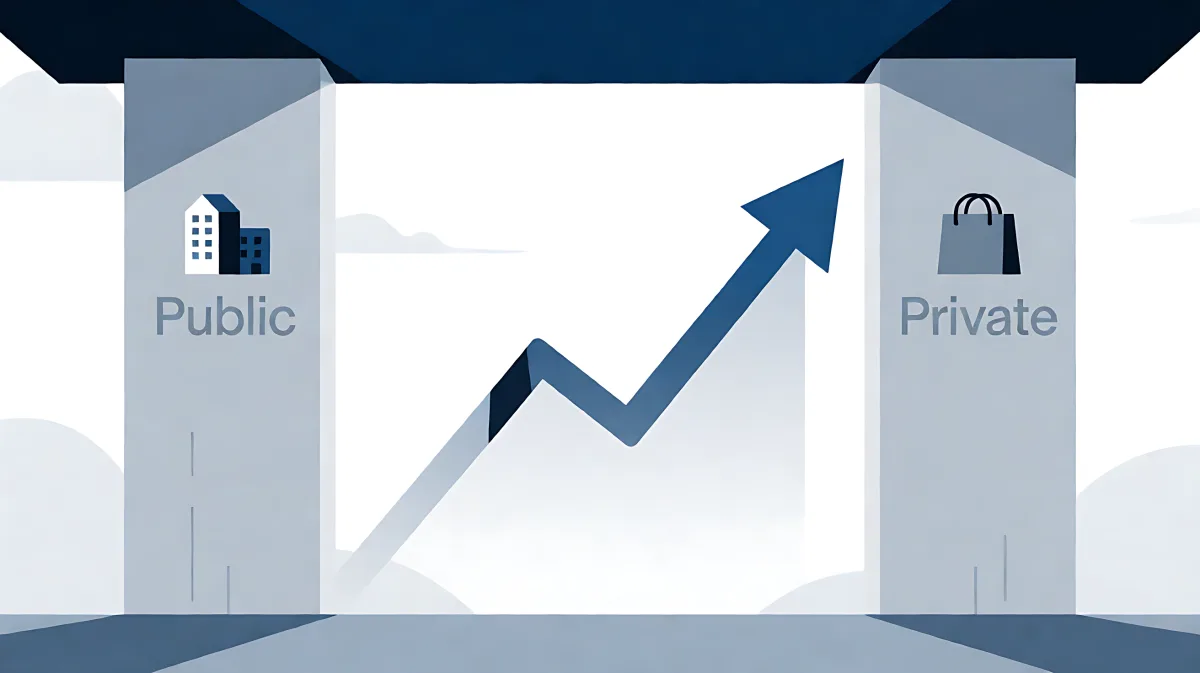
Spending drives economies. Explore how public and private expenditures interact, influence GDP, and impact consumer confidence in the modern global economy.
Spending is the total outflow of funds by governments and households on goods and services. It functions as a primary engine of economic growth, directly influencing Gross Domestic Product through components like final consumption and investment. In 2026, understanding the balance between public fiscal measures and private consumer confidence is essential for tracking economic stability in the US and UK.
What Defines Spending in Economic Terms?
Spending encompasses both the act of disbursing money and the resulting economic impact on markets. It is broadly categorized into two main types: private consumer spending and government expenditure. Each plays a distinct role in national income accounting, contributing to the total production of goods and services within an economy.
How Does Consumer Spending Drive the Economy?
Consumer spending represents the total money individuals and households allocate to final goods and services. It is the largest component of Gross Domestic Product in many developed nations. This spending is divided into induced consumption, which fluctuates with income levels, and autonomous consumption, which remains steady regardless of income changes. In the United States, data from the Bureau of Economic Analysis tracks this through durable goods, nondurable goods, and services. High consumer confidence typically leads to increased investment and demand, while negative sentiment can cause households to prioritize savings over purchases, dampening economic momentum.
What Role Does Government Spending Play?
Government spending includes all public consumption, investment, and transfer payments. It is a critical tool of fiscal policy used to stabilize the macroeconomic business cycle. Governments fund public goods such as healthcare, education, and infrastructure, which private markets may not provide efficiently. When a government issues its own currency, it is nominally self-financing, but to avoid inflationary pressures, it must raise revenue through taxes, borrowing, or the sale of resources. This expenditure directly supports employment and creates future economic benefits through capital formation.
How Do Public and Private Expenditures Interact?
The interaction between public and private spending is complex. Increases in government spending can stimulate demand, but they may also lead to higher taxes or deficit spending, which could negatively impact private consumption and investment. This phenomenon is often referred to as the crowding-out effect. Conversely, economic stimulus packages, such as rebates or checks, aim to boost private spending. However, their effectiveness varies; during periods of uncertainty, households may save stimulus funds rather than spend them, limiting the immediate economic impact.
What Factors Influence Current Spending Trends?
In 2026, several factors shape spending patterns. Consumer sentiment remains a powerful predictor of economic activity, reflecting the general attitude toward fiscal markets and job security. Tax policies designed by governments directly affect net disposable income, influencing how much consumers can spend. Additionally, the composition of public expenditure is shifting toward infrastructure and digital services, aligning with modern economic needs. Organizations like the International Monetary Fund and national statistical agencies monitor these trends to provide accurate forecasts and policy recommendations.
How Is Spending Measured and Reported?
Spending is measured through national income accounting frameworks. For consumers, surveys and financial data track expenditure by category, such as housing, healthcare, and transportation. For governments, reports detail final consumption expenditure and gross fixed capital formation. These metrics allow economists to compare spending across countries and over time, highlighting disparities in income inequality and public social spending. In the US, the top 10% of earners have accounted for a significant portion of consumer spending, a trend that continues to influence market strategies and economic planning.
What Are the Key Categories of Consumer Spending?
The Bureau of Economic Analysis classifies consumer spending into three broad categories: durable goods (vehicles, furniture, equipment), nondurable goods (food, clothing, energy), and services (housing, healthcare, finance). This classification helps track specific economic sectors and consumer behavior trends.
How Do Taxes Affect Net Spending?
Taxes reduce disposable income, directly limiting the amount households can allocate to consumption. Government tax policies are tools for adjusting the economy; higher taxes can suppress spending, while tax cuts can stimulate it. The precise impact depends on household budgeting habits and overall economic confidence.
Why Is Fiscal Policy Important for Stability?
Fiscal policy, involving government spending and taxation, stabilizes the macroeconomic business cycle. By adjusting expenditure, governments can counteract recessions or cool down overheating economies. This ensures that public goods remain available and that economic growth is sustainable, preventing severe fluctuations that harm both consumers and businesses.
What Is the Difference Induced and Autonomous Consumption?
Induced consumption changes with income levels; as people earn more, they spend more. Autonomous consumption is the minimum spending required for basic needs, independent of income. Understanding this distinction helps economists predict how changes in wages or bonuses will affect overall market demand.
FAQ
What is the primary difference between public and private spending?
Public spending is executed by governments to fund public goods and services, while private spending is conducted by households and businesses for personal consumption and investment. Both contribute to GDP but serve different economic functions.
How does consumer sentiment impact economic growth?
Consumer sentiment acts as a leading indicator of economic activity. Positive confidence encourages spending and investment, driving growth, while negative sentiment leads to increased savings and reduced demand, potentially slowing the economy.
What role does debt play in government spending?
Government debt allows for spending beyond immediate revenue, facilitating large-scale projects and economic stimulus. However, it requires interest payments and future tax obligations, which can impact long-term fiscal sustainability and private sector borrowing costs.
How do tax cuts affect consumer spending?
Tax cuts increase disposable income, potentially boosting consumer spending. However, the effect depends on whether households use the extra funds for consumption or savings. In times of uncertainty, the multiplier effect of tax cuts may be lower than expected.
What are the main components of Gross Domestic Product related to spending?
The main components are private consumption (C), private investment (I), government spending (G), and net exports (NX). Together, they form the equation GDP = C + I + G + NX, providing a comprehensive view of economic activity.