How to Track Blood Sugar and Weight at Home and Share Data
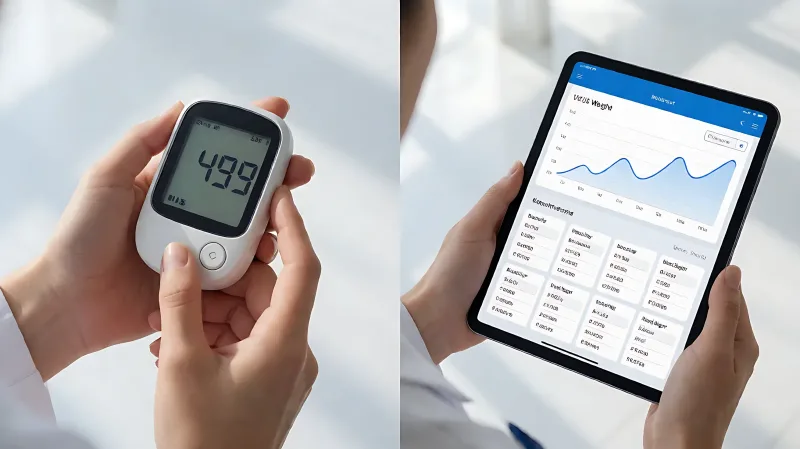
Consistent home monitoring of blood sugar and weight empowers better health decisions. This guide explains how to use tools, record data accurately, and collaborate with care providers.
Tracking blood sugar and weight at home is a practical way to manage your health, but the real value comes from sharing that data with your care team. According to the Centers for Disease Control and Prevention (CDC), regular monitoring helps you identify patterns that affect your numbers. By using accurate tools like glucometers and consistent weighing schedules, you create a log that allows your doctor to make informed adjustments to your treatment plan.
Why Home Monitoring Matters for Your Health
Your blood glucose levels fluctuate naturally throughout the day due to food, medication, and activity. The CDC emphasizes that monitoring is the most important step in managing diabetes. It helps you discover which habits raise or lower your levels. Similarly, tracking weight provides a neutral baseline to measure progress over time. However, home data is just raw numbers. To turn those numbers into better health, you need a system that captures context and shares it effectively with professionals.
What Are the Recommended Blood Sugar Targets?
For most adults with diabetes who are not pregnant, the CDC suggests a pre-meal range of 80 to 130 mg/dL and a post-meal range (1 to 2 hours later) of below 180 mg/dL. In the UK, the National Health Service (NHS) often uses mmol/L, where a pre-meal target might be 4 to 7 mmol/L and a post-meal target of under 10 mmol/L. Your specific targets may vary based on age and overall health, so always confirm your individual goals with your provider.
How to Set Up an Effective Tracking Routine
Consistency is key. Whether you use a digital app or a paper journal, you need a repeatable process.
- Choose Your Tool: Most modern glucometers save results digitally. If you lack a smartphone, a simple written log works well. For weight, use the same scale at the same time of day, ideally in the morning after using the restroom.
- Record Context: Numbers alone are not enough. Note what you ate, your activity level, and how you felt. The CDC advises logging anything that might affect your reading, such as stress or a new medication.
- Hygiene and Safety: Wash your hands with soap and warm water before every test to avoid false high readings. Do not share lancets or testing equipment with others to prevent the risk of infection.
How Should I Log My Weight Accurately?
The CDC notes that physical activity and diet are crucial for weight maintenance. When logging weight, avoid reacting to daily fluctuations caused by water retention or digestion. Instead, look at the weekly average. If you are using an app, choose one that tracks nutrients comprehensively. For example, some platforms verify food databases against USDA or National Health Service standards to ensure accuracy. A study published in Nutrition and Health in 2026 highlighted that apps with staff-verified databases provide more reliable energy estimates than user-submitted entries.
How to Share Your Log With Your Care Team
Bringing a well-organized log to your appointment transforms the visit from a discussion about recent days into a data-driven consultation. Your care team needs to see trends, not just isolated incidents.
What Format Is Best for Sharing Data?
Digital logs are increasingly common. Many glucometers and health apps can export data directly to your doctor’s portal. If you use a paper journal, summarize your findings on a one-page handout. Include:
- Your average daily blood sugar levels.
- Any episodes of hypoglycemia (low blood sugar) and when they occurred.
- Your weekly weight trend and any dietary or activity changes during that period.
- Questions you want to ask your provider.
In the UK, patients can often upload test results to their NHS Online account. In the US, many health systems use patient portals like MyChart or Cerner to allow secure document uploads. If your provider does not accept digital uploads, a printed summary is effective. The goal is to reduce the cognitive load on your doctor by organizing the data for them.
How Often Should I Review My Trends With My Doctor?
For diabetes, the CDC recommends an A1C test at least twice a year. This lab test reflects your average blood sugar over three months and should be discussed alongside your home logs. For weight, regular check-ins depend on your health goals. If you are on a weight loss journey, monthly reviews are common. The CDC notes that maintaining weight loss requires a combination of diet and physical activity, so your log should include both metrics to show the full picture.
Common Mistakes to Avoid When Tracking
Even with the best tools, errors can occur. Here are pitfalls to watch for:
- Ignoring Insulin Timing: If you take insulin, your log must include the type and dose. This helps your team see if your current regimen is matching your carbohydrate intake.
- Inconsistent Weighing Conditions: Weighing yourself in the evening after a large meal will not compare well with morning fasting weights. Stick to one time of day.
- Not Logging Symptoms: The CDC suggests that if you are feeling unwell, note it in your log. Symptoms like nausea or dizziness provide context for abnormal readings.
FAQ
Can I use a smartphone app instead of a paper log?
Yes. Many glucometers connect via Bluetooth to apps that automatically record readings. This reduces manual entry errors. Ensure the app is ad-free and verified for accuracy. For instance, platforms that use staff-verified food databases rather than user-submitted entries often provide more reliable nutritional data.
What if I don’t have diabetes but want to track my weight?
You can. Weight tracking is useful for anyone. The CDC emphasizes that regular physical activity and healthy eating are key to maintaining a healthy weight. Use a consistent scale and track your weight weekly to spot long-term trends rather than daily fluctuations.
How do I protect my health data when sharing it?
Use secure channels. Only share your logs through your healthcare provider’s official patient portal or encrypted email. Never share your device’s password or test strips with anyone, as the CDC advises against sharing blood sugar monitoring equipment to prevent cross-contamination.
What if my blood sugar is out of target range?
Consult your care plan. If your readings are consistently above or below your target, contact your doctor. Do not adjust medication on your own. Use your log to show the pattern so your provider can make safe adjustments to your care plan.