Preventing Peristomal Skin Breakdown With Home Catheters
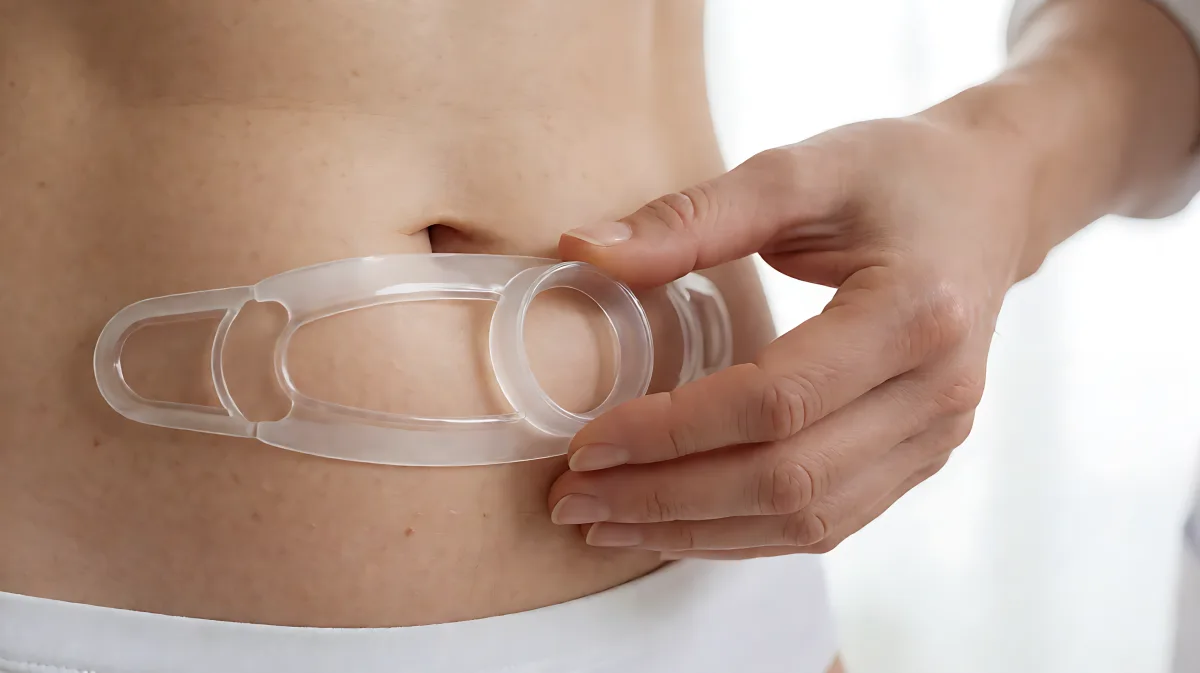
Peristomal skin issues are a leading cause of discomfort for ostomy patients. This guide outlines a standardized four-step approach to maintaining skin integrity and preventing the vicious cycle of leakage and irritation.
Peristomal skin breakdown is a preventable complication that often arises from the delicate balance between securing a pouching system and protecting fragile tissue. For patients managing ostomies or catheter systems at home, the risk of irritation is high because skin integrity is the foundation of a reliable seal. By adopting a standardized hygiene protocol that prioritizes gentle cleansing and thorough assessment at every change, caregivers can significantly reduce the incidence of dermatitis and fungal infections.
Why Does Skin Breakdown Around a Stoma Happen?
When the skin surrounding a stoma is compromised, it creates a vicious cycle. Damaged skin cannot hold the adhesive of the pouching system effectively, leading to leakage. That leakage exposes the skin to digestive effluent or urine, which causes further irritation and breakdown. According to data from Convatec, this cycle often begins subtly, with micro-leaks that are not immediately visible to the patient. Research published in the Journal of Wound, Ostomy and Continence Nursing highlights that medical adhesive-related skin injuries are a widespread issue in this population. The goal is to interrupt this loop by focusing on prevention rather than just reaction. By maintaining a dry, intact surface, you ensure that the pouch adheres properly, reducing the mechanical stress on the skin during routine changes.
What Is the Standardized Hygiene Protocol for Home Care?
Experts recommend a four-step framework known as Peristomal Hygiene to ensure consistency in home care settings. This approach moves beyond ad-hoc treatments and establishes a reliable routine.
- Cleanse: Gently clean the skin to remove all output and residue. Use warm water or a pH-balanced cleanser specifically designed for peristomal care. Avoid soaps that leave oily residue or chemical agents that can irritate sensitive tissue.
- Assess: Examine the skin before applying the new barrier. Look for early signs of redness, moisture, or texture changes. Compare the peristomal area with adjacent healthy skin to spot subtle differences.
- Secure: Apply the pouching system carefully to ensure a consistent seal. Use non-traumatic adhesives and remove them gently to prevent skin stripping.
- Live: Support the patient’s confidence by teaching them how to manage their care independently. This reduces anxiety and ensures the skin is handled with appropriate care during daily activities.
Following these steps at every pouch change helps maintain a standard of care that protects the skin barrier.
How Do You Identify Allergic Dermatitis Versus Irritant Damage?
Distinguishing between allergic contact dermatitis and irritant dermatitis is crucial for proper treatment. Allergic dermatitis is an immunologic response to a specific ingredient, such as an adhesive or barrier film. It often presents as an itchy rash that mirrors the exact shape of the contact point, such as the tape line. In contrast, irritant dermatitis is caused by direct exposure to enzymes in fecal or urinary drainage. This type of damage usually occurs when the skin barrier opening is cut too large, exposing extra skin to the output. Both conditions can result in papules, vesicles, and crusting, but the underlying cause dictates the solution. If you suspect an allergic reaction, switching to a different brand or type of barrier is often the first step. For irritant damage, the focus should be on ensuring the pouch size is correct and using protective barriers.
What Common Mistakes Worsen Peristomal Skin Issues?
Many families assume that using soap and water is always the best way to clean the skin, but in fact, residual soap or baby wipes can leave a film that impedes adhesive bonding and causes dryness. It is generally better to use plain warm water or specialized no-sting wipes. Another frequent error is shaving the area around the stoma too frequently. An electric shaver is preferred to reduce the risk of folliculitis, and shaving should be limited to once a week. Additionally, keeping the skin damp after bathing is a major cause of fungal infections like candidiasis. The skin must be completely dry before a new pouch is applied. If the patient has diabetes or is on antibiotic therapy, they are at higher risk for yeast infections, requiring extra vigilance and potentially prophylactic treatment.
When Should You Consult a Specialist?
While home care can manage many minor issues, persistent problems require professional input. If the skin does not heal within a few days of changing your routine, or if you see satellite lesions indicative of a severe fungal infection, contact a certified ostomy nurse or a dermatologist. They can recommend advanced treatments such as the crusting method, which uses ostomy powder and skin prep to create a durable crust over denuded skin, or prescribe topical steroids that may impede adhesion if not managed correctly. Early intervention prevents the complication from becoming chronic and affecting the patient’s quality of life.
How often should I check the skin around the stoma?
You should visually inspect the peristomal skin at every pouch change. This is the only way to catch early signs of irritation before they progress into full skin breakdown.
Is it safe to use regular baby wipes on peristomal skin?
It is generally not recommended as routine care because many wipes contain fragrances or lotions that leave residue. This residue can prevent the skin barrier from sealing properly and may cause irritant dermatitis.
What is the risk of using a safety razor on the abdominal area?
Using a safety razor increases the risk of microscopic cuts and folliculitis. An electric shaver is safer, and if a razor is used, it should be applied gently away from the stoma and no more than once a week.