Smart Home Security Blind Spots: How to Fix Them
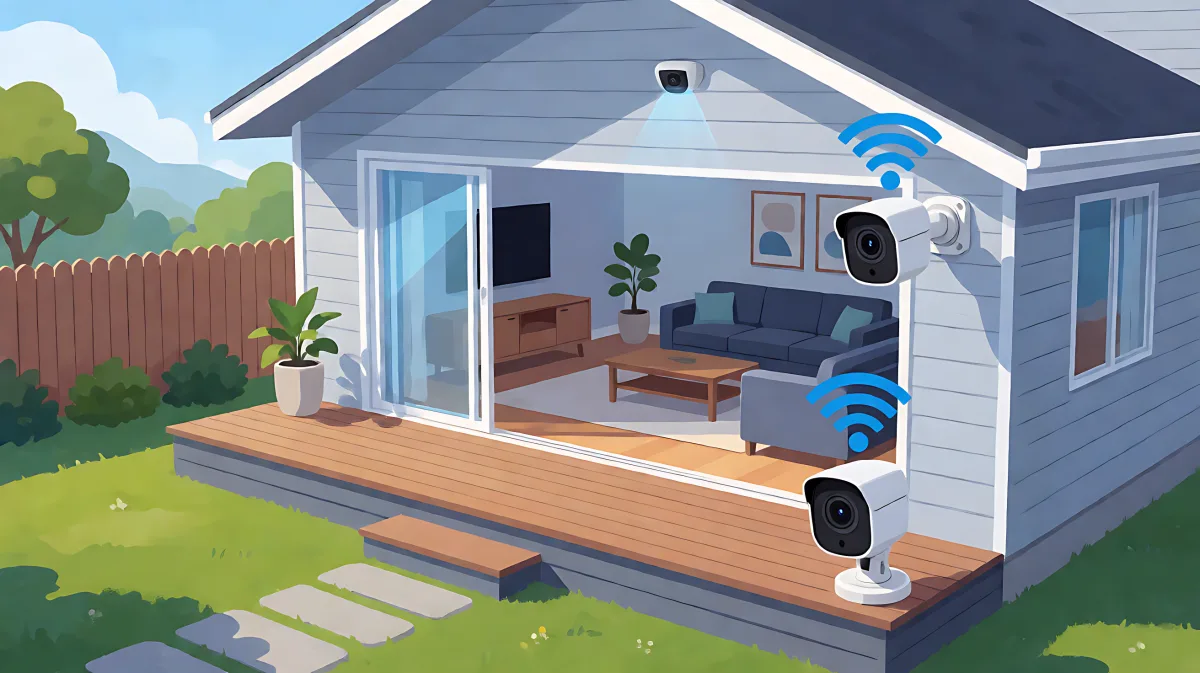
Even the best smart home setup can leave dangerous gaps. This guide explains how to identify common security blind spots, from camera dead zones to sensor placement errors, and offers practical solutions using modern devices like the Wyze Duo Cam Pan and Matter-certified detectors.
Most homeowners focus on installing cameras, but they often miss the "blind spots" that allow intruders to bypass sensors and cameras. In 2026, the solution is moving away from single fixed lenses toward multi-angle coverage and interconnected ecosystems. By using dual-camera systems and Matter-enabled devices, you can eliminate dead zones in your line of sight and ensure that alerts trigger across all your devices, not just one isolated hub.
What creates security blind spots in a smart home?
Blind spots are not just missing cameras; they are gaps in logic, power, and coverage. The most common issue is the "single-lens reliance." As noted by CNET technology editors, most traditional smart cameras provide a virtual window into your yard, but they are limited by a fixed position. This creates a scenario where a static camera misses a driveway while the moving camera misses the back door. Furthermore, network blind spots occur when a Wi-Fi signal drops in an attic or garage, rendering an expensive camera useless. Power outages are another silent killer; if your cloud-based system relies on your internet router, a 30-minute blackout disables your entire security perimeter.
Are single-camera setups enough for large properties?
For smaller apartments, a single indoor camera may suffice. However, for homes with a yard, multiple entry points, or basement levels, one camera is rarely enough. Manufacturers like blurams now emphasize the need for "every corner" coverage, suggesting that homeowners must audit their property for line-of-sight obstructions. If a tree or a high fence blocks a view, a camera cannot solve it; a motion sensor or a different angle is required.
How do dual-camera systems eliminate dead zones?
The recent introduction of devices like the Wyze Duo Cam Pan, reviewed by CNET staff, demonstrates a new approach to coverage. Instead of two separate units, this device combines two 2K resolution cameras into a single form factor. One lens remains static to monitor a critical area, such as a front door, while the second lens swivels with a 360-degree horizontal and 180-degree vertical range to track motion. This dual-layer approach ensures that even if an intruder moves out of the main view, the tracking lens follows them. Priced at $70, with a two-pack available for $130, this makes comprehensive coverage more accessible than buying four individual standard cameras.
Why is interoperability critical for closing gaps?
A physical camera can see a threat, but it cannot alert your smoke detector or lock your doors unless the systems talk to each other. This is where the Matter standard, supported by manufacturers like Heiman Technology, becomes vital. Heiman, which won the 2026 iF Design Award for its S2 Edge series, is integrating Matter smart detectors into its product line. This allows a smoke alarm from one brand to trigger a camera siren from another. In the past, brands like Wyze and blink often did not communicate, creating "logical blind spots" where a fire alert did not trigger a video recording. As of 2026, choosing Matter-certified devices ensures your security ecosystem functions as a single brain rather than isolated silos.
What role do gas and fire sensors play in overall security?
Security is not just about intrusion; it is about safety. A smart home is vulnerable to carbon monoxide leaks or gas fires that cameras cannot detect. Heiman Technology offers hybrid addressable solutions that combine wired and wireless detectors. Their new natural gas detectors feature a 10-year pure battery life, eliminating the annual maintenance chore of swapping batteries. In the UK and US, local codes often require these devices, but many homeowners install them as standalone units that beep in a different room than where the alarm is ringing. Interconnected systems, like the NF-certified wireless smoke alarms, ensure that if one detector senses danger, all others activate simultaneously. This removes the blind spot of "isolated alerts," ensuring the whole house is aware of the threat.
Do I need local storage to avoid network blind spots?
Yes. Cloud storage is convenient, but it creates a blind spot when the internet fails. Devices like the Wyze Duo Cam Pan now support local video storage via a microSD card slot. This allows you to view recordings even when your ISP is down. For homeowners who take security seriously, local storage is no longer an optional extra but a baseline requirement to ensure that footage is preserved during power or network outages.
How do I prioritize which blind spots to fix first?
Start with the highest-risk entry points. Use a dual-camera system for your main driveway or back gate, where coverage is wide. Add motion sensors to windows where cameras cannot reach, such as second-story rooms. Ensure your fire and gas detectors are interconnected and Matter-compatible. Finally, check your Wi-Fi coverage; if a camera in your garage only has one bar of signal, it is effectively blind. By layering physical sensors, dual-lens cameras, and interoperable software, you transform your home from a collection of gadgets into a cohesive security web.
Frequently Asked Questions
What is the most common smart home security mistake?
The most common mistake is assuming that more cameras equal better security. Homeowners often pile up single-lens cameras without addressing Wi-Fi dead zones or lack of interoperability. This creates visual gaps and logical silos where devices fail to alert each other during an emergency.
Are Matter-enabled security cameras worth buying in 2026?
Yes. Matter support is becoming the standard for major manufacturers. It allows you to switch hubs or voice assistants (like Apple or Google) without throwing away your cameras and sensors. This future-proofing prevents the "ecosystem lock-in" blind spot that has plagued smart home users for a decade.
Can I use battery-powered cameras in all weather conditions?
Many battery cameras, such as the F20C from blurams, are solar-powered and weather-resistant. However, in extreme cold or snow, battery life can drop. For these environments, hardwired PoE cameras or systems with local storage are often more reliable than battery-only solutions.
How do I test if my security system has blind spots?
Perform a "walk-through" test. Walk through your home at night with your phone to see where the Wi-Fi signal drops. Then, map out where your cameras are pointing. If there is a driveway, back door, or garage not covered by a camera or sensor, that is a blind spot. Finally, test your interconnection by triggering a smoke detector and seeing if your cameras or locks react.