Simplify Daily Routines: Cut Decision Fatigue
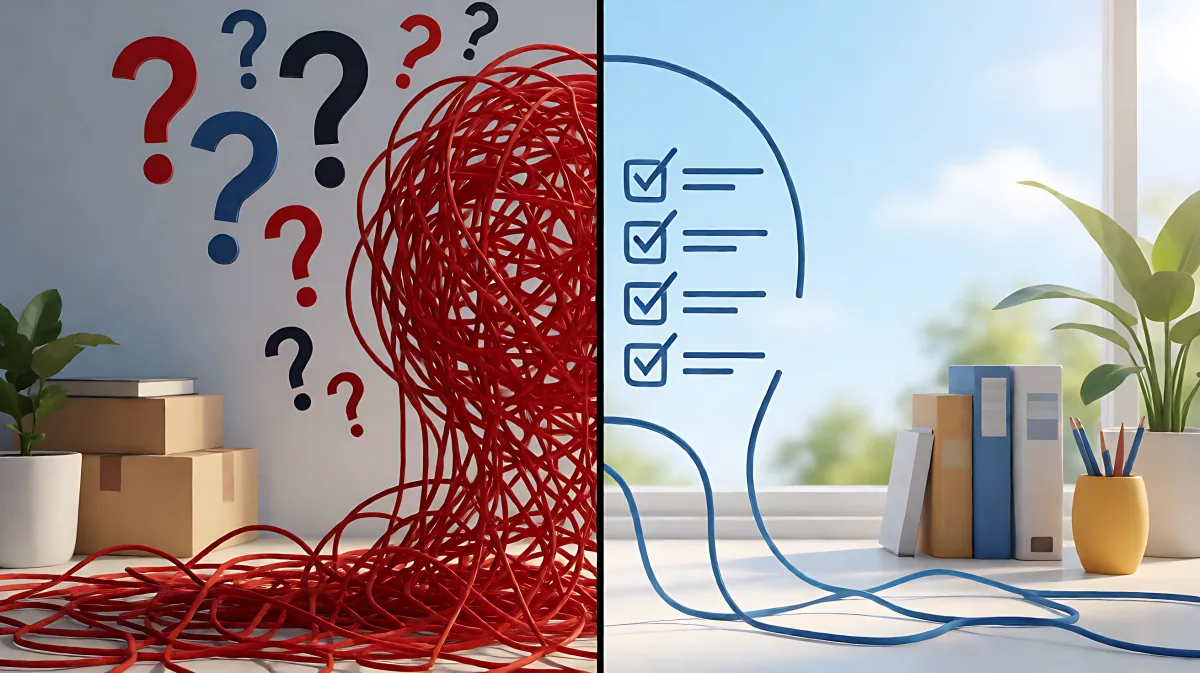
Stop burning out on small choices. Discover how to streamline your day, automate mundane tasks, and reclaim your mental energy with actionable time-management tactics.
Decision fatigue depletes your mental resources, leading to exhaustion, poor choices, and irritability. To simplify daily routines, you should eliminate optional choices by automating habits, batching similar tasks, and reducing non-essential inputs. This approach restores executive function, allowing you to focus your limited willpower on high-impact decisions rather than minor trivialities.
What Is Decision Fatigue and Why Does It Happen?
Decision fatigue is not a medical condition but a cumulative state of mental depletion. According to the Cleveland Clinic, the more choices a person faces in a day, the more physically and emotionally drained they become. This phenomenon affects everyone, from judges and surgeons to office workers managing hundreds of emails. When your brain is overwhelmed by the volume and complexity of choices, executive functioning declines. This decline often manifests as procrastination, impulsivity, and a sense of being "stuck" on simple tasks like choosing what to eat for lunch.
How Can You Identify the Warning Signs?
Recognizing the early symptoms of decision fatigue is the first step toward managing it. Key indicators include:
- Procrastination: Avoiding decisions to save mental energy, such as postponing scheduling a vet appointment.
- Impulsivity: Making poor choices late in the day, like overspending or eating unhealthy food, because the brain is too tired to analyze consequences.
- Emotional Irritability: Snapping at friends or family over trivial matters because your coping reserves are depleted.
- Physical Discomfort: Experiencing tension headaches, eye strain, or stomach issues linked to stress.
It is crucial to distinguish acute decision fatigue from chronic indecision. If you feel mentally drained every single day, it may signal underlying anxiety, burnout, or a mental health condition that requires professional attention, rather than just a need for better routine management.
What Specific Strategies Can Streamline Your Morning?
Your morning sets the tone for the day. To simplify it, remove variables. As noted by various productivity experts, high-level decision-makers often wear the same clothes or eat the same breakfast to conserve cognitive resources for complex work. You can adopt similar micro-routines. For instance, plan your outfit the night before and lay it out. Prepare a standard breakfast kit on Sunday so that in the morning, there is zero choice involved in eating. This "pre-decision" phase means you start the day with your cognitive battery at 100 percent, ready for genuine problems, not trivial ones.
How Do You Automate Repetitive Tasks?
Automation is the most effective tool for reducing daily friction. In 2025, this extends beyond physical chores to digital habits. Use automation tools to manage recurring notifications, bank transfers, and subscription renewals. Group small tasks that take less than five minutes into a single "batch" to handle them once a week rather than reacting to them individually. This technique, often called the two-minute rule or micro-tasking, prevents these small items from cluttering your mental workspace. By delegating or automating the mundane, you free up headspace for creative or strategic thinking.
What Role Does Environment Play in Mental Clarity?
Your physical and digital environment directly impacts your decision-making speed. A cluttered desk or a phone overflowing with notifications forces your brain to constantly process distractions. To simplify, curate your inputs. Designate specific times to check email or social media instead of monitoring them throughout the day. Create a "single-tasking" zone in your home or office where you can focus on one priority without interruption. Reducing environmental noise reduces the background processing your brain must do, lowering overall cognitive load.
How Can You Protect Your Willpower Later in the Day?
Willpower is a finite resource that depletes as the day goes on. To protect your judgment in the evening, stop making significant choices after 6:00 PM. Use this time for recovery activities that require little decision-making, such as reading a book you have already started or practicing a set exercise routine. Implementing a "shutdown ritual" helps you mentally close work tabs, preventing work-related decisions from bleeding into your personal time. This boundary is essential for preventing chronic fatigue and maintaining long-term mental health.
FAQ
Is decision fatigue a medical condition?
No, decision fatigue is an acute psychological state, not a diagnosable medical condition. However, chronic indecision can be a symptom of anxiety, depression, or burnout. If you feel mentally exhausted every day without a clear cause, consult a healthcare provider to rule out underlying health issues.
What is the fastest way to reduce decision fatigue?
The fastest method is removing choice from non-essential areas of life. Automate recurring tasks, plan your next day the night before, and limit your input from social media and news. These immediate actions lower the volume of decisions your brain must process daily.
How much time should I dedicate to simplifying my routine?
You do not need hours. Spend 15 to 30 minutes each Sunday planning the upcoming week. Identify your top three priorities and automate the rest. This small investment prevents the chaotic "daily scramble" that leads to mental exhaustion.
Does multitasking increase decision fatigue?
Yes, multitasking significantly increases mental load. Switching between tasks forces your brain to constantly reload context, which is highly draining. Practicing single-tasking and batching similar work sessions reduces this cognitive switching cost and helps preserve willpower.